Dry, Burning, or Watery Eyes? Schedule Your Dry Eye Evaluation
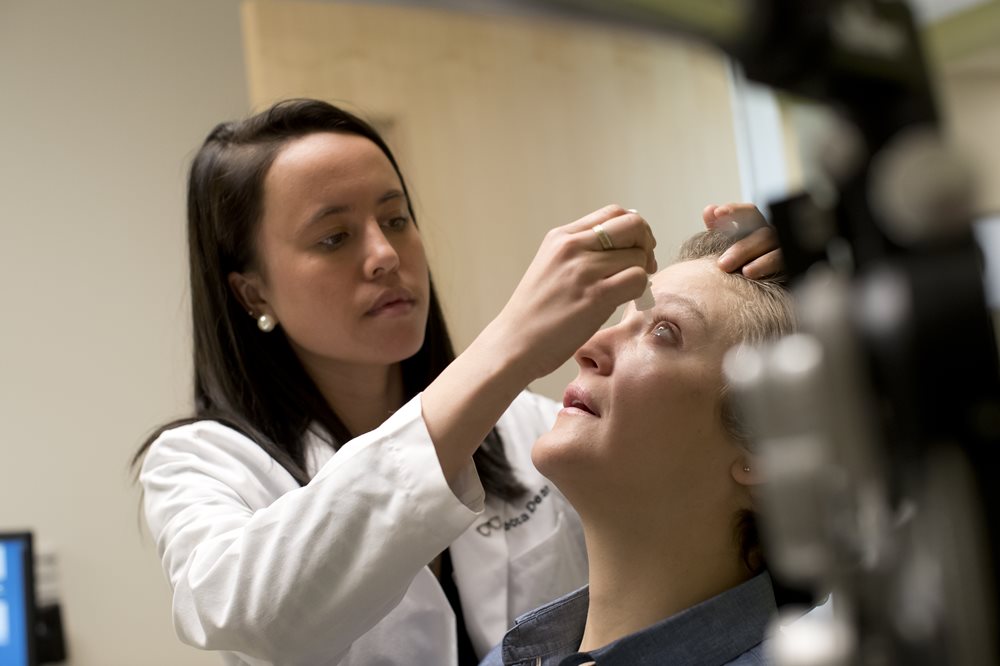
Increased digital screen use, autoimmune conditions, and changes in air quality all contribute to the rise of dry eye disease (DED), according to the Mayo Clinic. This July, The Eye Institute (TEI) of Drexel University is recognizing Dry Eye Awareness Month by helping patients learn about the signs and symptoms of DED and the effective treatment options available. If your eyes often feel dry, irritated, watery, or tired, you don’t have to live with the discomfort – relief may be possible.
What are the signs and symptoms of dry eye disease?
DED is a very common condition, and many people don’t even realize they have it. The symptoms are often mistaken for eyestrain, seasonal allergies, or just overall fatigue. Those suffering from DED may experience the following:
- Itchy, gritty, or burning eyes
- Excessive eye watering or tearing
- Feeling something in your eye
- Blurry vision that improves when you blink
- Frequent styes on the eyelids
- Tired, achy, or sore eyes
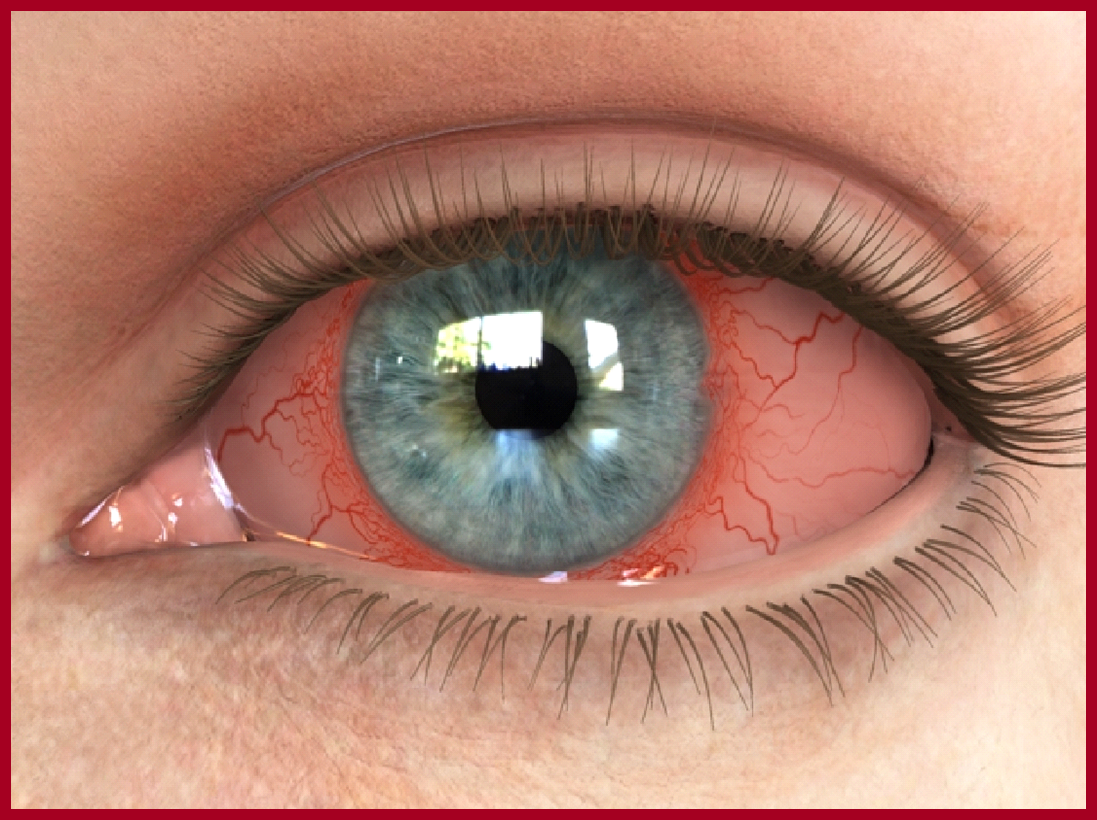
- Red eyes with visible irritation
What are the causes of dry eye?
There are many different causes for DED, but the most common causes are the following:
- Reduced blink rate: Eye doctors at The Eye Institute are seeing a greater prevalence of DED in children and younger adults today due to the significant increase in digital device use. When we look at a computer or phone screen, our eyes take in a lot of information all at once. This causes our eyes to blink less than they normally would if we weren’t’t looking at a screen. Frequent blinking is what lubricates the eyes and spreads the tears evenly across the entire surface. Less frequent blinking leads to less lubrication and more signs of DED.
 Excessive evaporation of tears: DED tends to be worse at certain times of year due to changes in air quality and the use of air conditioning or heat. According to the experts at TEI, sleeping or sitting for long periods of time with a fan or air blowing on your face increases the evaporation rate of the tears in your eyes. More evaporation leads to less lubrication on the eyes.
- Autoimmune disease: The tear film contains many important immune cells. In autoimmune conditions such as Sjogren’s Syndrome (an autoimmune disease that attacks the glands that make moisture in the eye), Rheumatoid Arthritis (where your body's germ-fighting system attacks healthy tissue by mistake), and Lupus Erythematosus (where the body attacks its own immune system), the tear film is not properly produced. This leads to unstable or reduced tear film on the eyes.
- Dysfunction of the oil-producing glands of the eyelids: Along the edges of the eyelids adjacent to the eyelashes are important oil glands called the Meibomian glands. There are two important parts of the tear film: the water, which lubricates the eye, and the oil, which prevents the water from evaporating too quickly. The Meibomian glands are important for producing this essential oil. In some cases, the glands become clogged and unable to produce sufficient oil, which causes the tears to evaporate quickly.
- Normal age-related changes to the eye: As we age, our eyes tend to produce fewer tears, and our oil glands become more clogged. These factors lead to age-related symptoms of dry eye.
 No matter the cause, DED can be very uncomfortable and frustrating to deal with. Luckily, many of the treatment options are simple, effective, and highly accessible. Supplementation with artificial tear eye drops, frequent warm compresses to unclog your oil glands, and reduced screen time are all very effective management strategies for DED. For more severe cases there are more advanced treatment options such as light therapy, collagen plug insertion, and medicated eye drops, which should be prescribed by an expert.
According to eye doctor, Dr. Jeffrey Nyman from The Eye Institute, another treatment option includes inexpensive beaded masks which can be heated (either by a brief time in a microwave oven, or by an electrical cord which can provide heat and are also set to turn off after a period of time) aimed at heating the eyelid glands.
“Because there are other conditions that produce similar symptoms, they need to be ruled out in a professional and comprehensive eye exam by an eye doctor,” said Dr. Nyman.
To determine what treatment is right for you, visit The Eye Institute in Oak Lane or Chestnut Hill. Call 215.276.6111 to schedule an appointment today!