Do You Know TED? Manage Your Eye Disease Symptoms at The Eye Institute
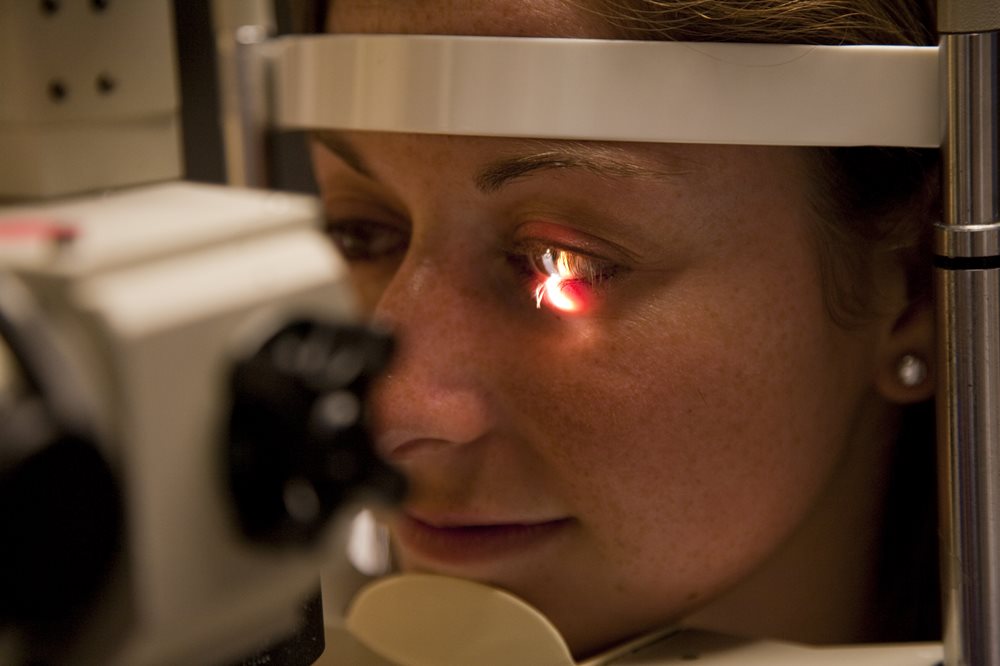
Thyroid Eye Disease (TED) Week, designed to raise awareness of a condition that many people may overlook, is Nov. 9-15. Experts at The Eye Institute (TEI) of the Pennsylvania College of Optometry at Drexel University offer comprehensive eye care to help manage symptoms of eye disease.
According to the Cleveland Clinic, TED, also called Graves' eye disease, is an autoimmune condition where the immune system mistakenly attacks the muscles and fat behind the eyes. These tissues swell and push the eyes forward; this swelling can irritate the eyes, strain the eye muscles, and, in severe cases, press on the optic nerve and cause vision loss.
TED is most often linked to Graves' disease, the most common cause of an overactive thyroid—or hyperthyroidism. It’s estimated to affect roughly 25% to 50% of people with Graves' but it can also appear on its own.
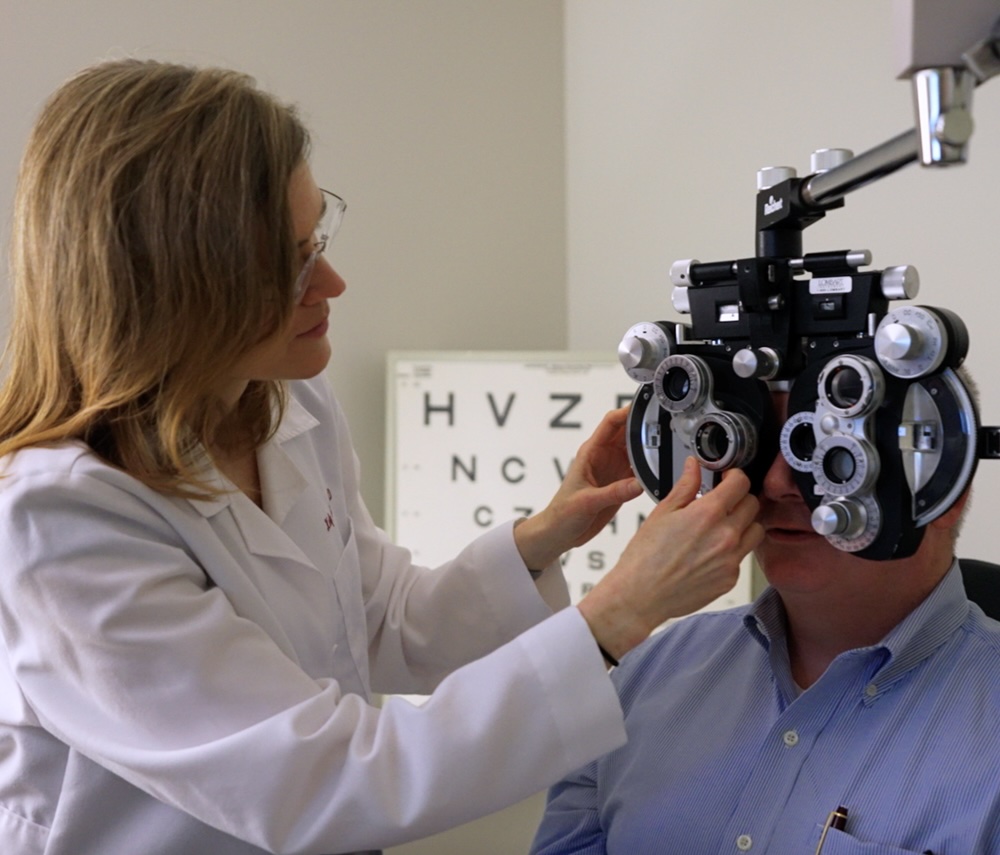 “There have been a lot of advances in TED recently, and now treatment consists most frequently of non-surgical pharmaceutical options. The indications for these treatments have also increased and have proven to be efficacious for not only active TED but also longstanding chronic disease,” said Dr. Kelly Malloy, chief of the Neuro-Ophthalmic Disease Service at TEI. “Now there is a lot more hope and chance for a better prognosis for patients with TED.”
Symptoms to watch for:
- Bulging or "staring" eyes
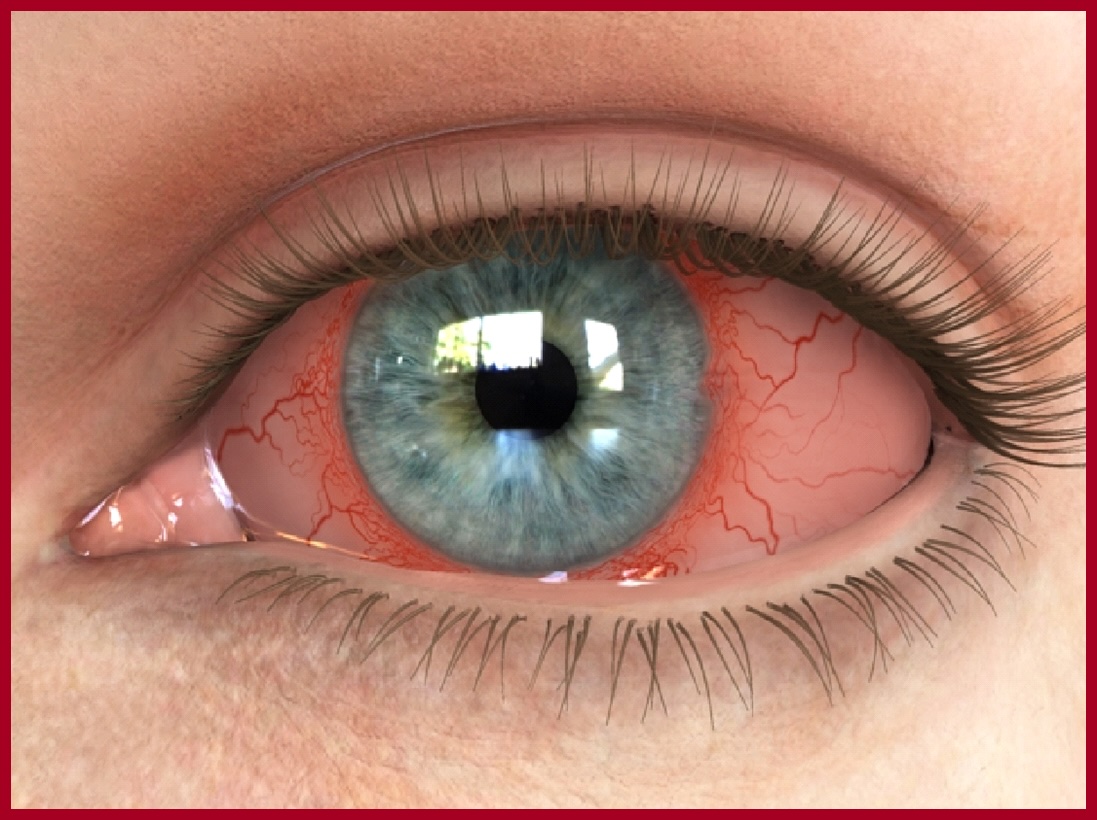
- Eye pain, redness, or irritation
- Puffy or retracted eyelids
- Double vision
- Light sensitivity
- Blurred or dimmed vision, or changes in color vision
Five common myths about TED
Myth 1: "It's just a thyroid problem."
The thyroid and the eyes are both targets of the same autoimmune process, but TED is a separate disease with its own course. It can appear before, during, or after thyroid symptoms, and sometimes without a thyroid diagnosis.
Myth 2: "Fix the thyroid, and the eyes will fix themselves."
Controlling thyroid levels matters, but eye symptoms don't always follow. TED often lasts months to years, and some changes may not fully resolve. Radioactive iodine, a common hyperthyroidism treatment, may even worsen TED unless steroids are given alongside it. Anyone with Graves' disease (hyperthyroidism) should ask about their eyes before choosing a treatment.
Myth 3: "It's just dry eyes or allergies."
Redness, irritation, and puffiness are easy to blame on allergies or screen time. Bulging, double vision, or pain when moving the eyes points to something more. Many patients are diagnosed after an eye exam catches what they had brushed off.
Myth 4: "It's only cosmetic."
Changes in appearance can be distressing, and TED is linked to anxiety, depression, social isolation, and lost confidence. But it can also threaten sight. In severe cases, swelling compresses the optic nerve and causes vision loss that may be permanent.
Myth 5: "Nothing can be done, so I'll just wait it out."
Options include lubricating drops, medications to calm inflammation, prism glasses for double vision, radiation, and orbital decompression surgery, which makes more room behind the eye. Early diagnosis lowers the risk of lasting damage. The sooner it can be diagnosed, the less invasive the treatment often needs to be. So regular eye exams are important to catch early signs.
 Who is at risk? What is a risk factor?
According to Cleveland Clinic, TED is more common in women and usually affects middle-aged adults, but it can occur at any age. Other risk factors include:
- Family history
- Graves' disease
- Low selenium or vitamin D levels
Smoking, which raises risk seven to eight times, prolongs the active phase, and makes treatment less effective. Quitting smoking is one of the best steps a person can take. Sunglasses and sleeping with your head elevated can also ease symptoms.
When to get checked
See an eye doctor if you have Graves' disease or an overactive thyroid and notice any eye changes. Don’t hesitate to make an appointment if you have unexplained eye bulging, persistent redness, or double vision, even without a thyroid diagnosis. A comprehensive eye exam at TEI can detect TED, and your eye doctor can coordinate care with your primary care provider or endocrinologist if needed.
Resources
Prevent Blindness, the nation's leading volunteer eye health and safety organization in the United States, dedicated to preventing blindness and preserving sight, offers free resources in English and Spanish, including fact sheets and videos.
This year's observance adds a new patient-stories video series and a Graves' disease flyer. Find them by clicking here.
The American Thyroid Association (thyroid.org) also offers general thyroid information and a directory to find a thyroid specialist.
If you are concerned about your eye health, call TEI at 215.276.6111 to make an appointment.