Audiology Awareness Month: Tips for Healthy Hearing
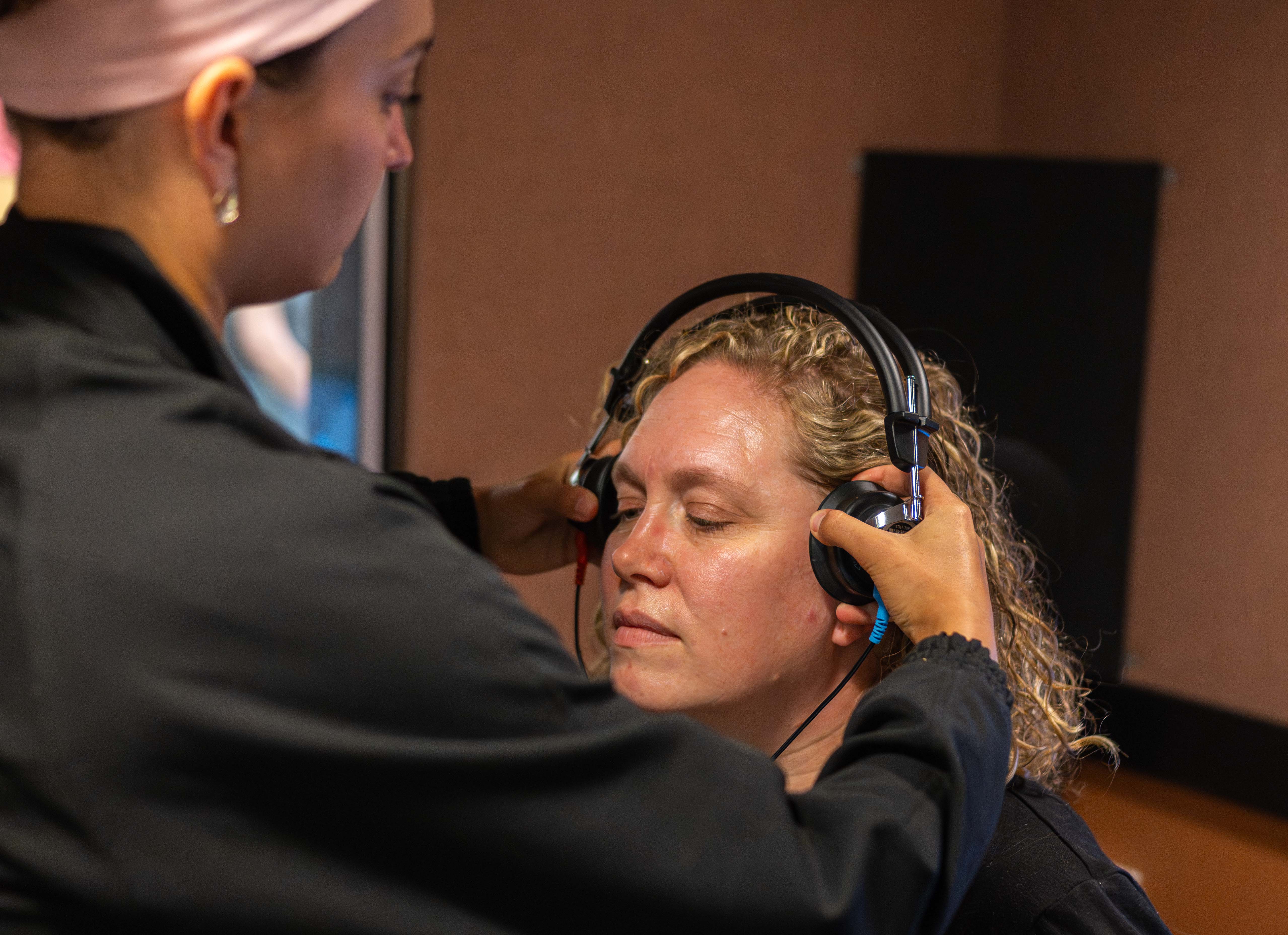 It’s that time of year again; October is Audiology Awareness Month. According to the American Academy of Audiology, this month is used to recognize the work of audiologists as well as bring attention to the importance of hearing health and managing hearing loss.
Contrary to popular belief, hearing health is not just important for older adults, but for all ages. Your ears are exposed to noise throughout the day, from loud music played through headphones to prolonged media consumption, and the non-stop noise of everyday life.
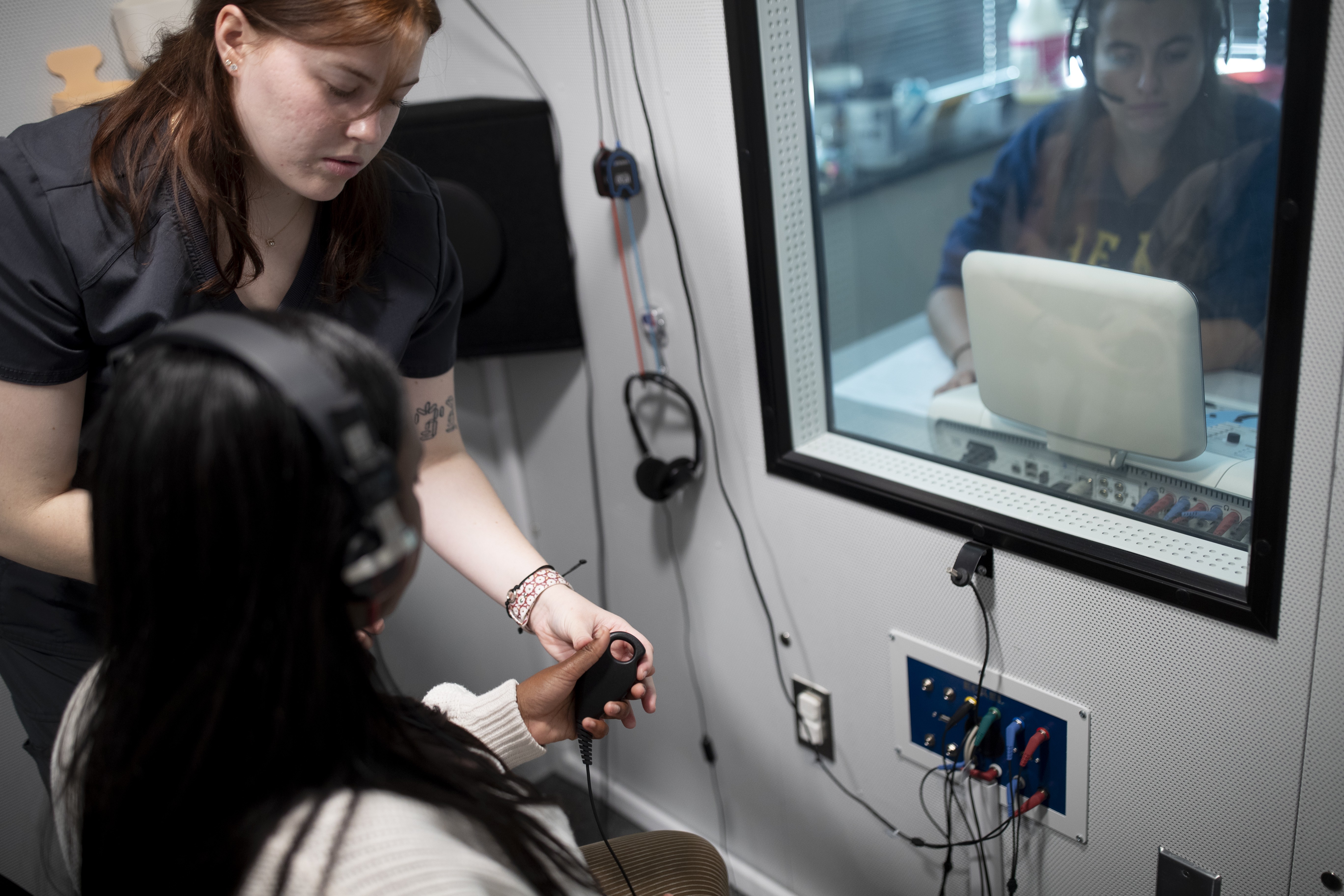 To start, what is an audiologist? They are highly trained professionals at the Pennsylvania Ear Institute (PEI) of Drexel University who specialize in diagnosing, managing, and treating hearing and balance issues. They work with people of all ages, from infants to the elderly.
A common type of hearing loss due to advances in technology is noise-induced hearing loss (NIHL). It’s a growing problem due to the amount of time individuals wear headphones/earbuds and blast music, or how often they frequently attending loud events. Over time, exposure to excessive noise can damage the tiny sensory hair cells in your inner ear that interpret sound or balance, and once they are gone, they do not grow back. The good news is that taking steps to protect your hearing can help reduce your risk.
Audiologists can help create treatment plans to ensure ear health is in good condition and the patients' needs are met. These include performing comprehensive hearing tests, detecting issues early on, testing patients for hearing aids, and even treating balance disorders that stem from the inner ear. By prioritizing our ear health and consulting with these experts, we take initiative toward a lifetime of better hearing.
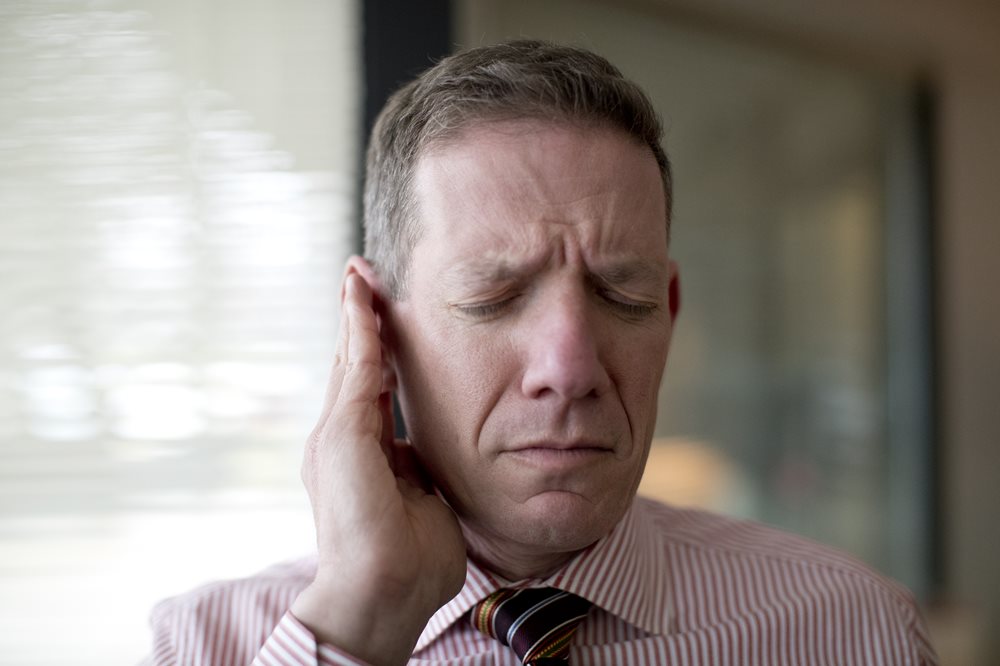 "Noise-induced hearing loss is preventable, and we encourage everyone to stop the damage before it starts,” said Dr. Lindsay Bondurant, director of PEI. “If you're experiencing muffled hearing or ringing in the ears (tinnitus) after noise exposure, you should see an audiologist as soon as possible."
Here are a few tips to keep in mind for periods when you have not seen an audiologist or had your hearing evaluated.
Lower the Volume
Follow the 60/60 rule, a fundamental step in preventing noise-induced hearing loss. When using headphones or earbuds, listen at no more than 60% of the maximum volume for no more than 60 minutes at a time.
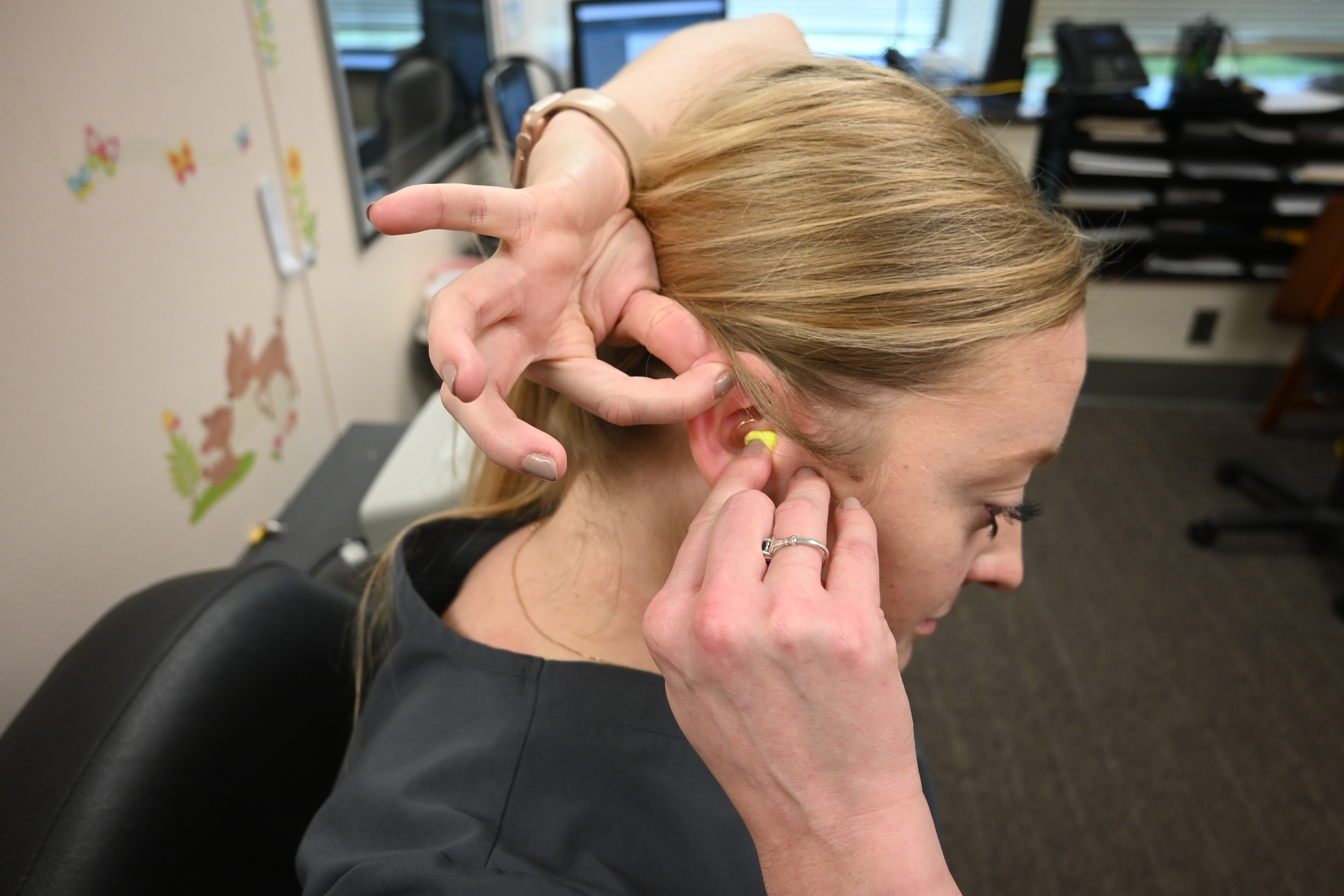 Use Hearing Protection
When attending loud events such as concerts, festivals, or sporting events, wearing ear protection is crucial. High-quality earplugs are the best option; they reduce the overall sound level while maintaining clarity, allowing you to enjoy the experience safely.
Allow for Quiet Time
Consistent exposure to noise can strain your auditory system and cause damage. Try to give your ears periods of quiet rest, especially after a long day of listening to music or being in a noisy environment.
Get Your Hearing Checked
Regular hearing screenings are a key component of preventative health. Scheduling an appointment with an audiologist at PEI for a baseline hearing test is simple and painless. The screening will provide a clear picture of your current hearing health and allow for early detection of any potential issues.
If you suspect some degree of hearing loss, contact the Pennsylvania Ear Institute (PEI). Our expert audiologists will assess your hearing and make recommendations on how to address your hearing needs.
For more information on PEI’s services or to make an appointment, call 215.780.3180.