Back to School Hearing Tips for Students

With the school year now several weeks underway, kids are settling into classes, making new friends, and adjusting to busy schedules. While families focus on homework, extracurricular activities and academic success, hearing health can easily be overlooked. Yet, it’s essential for learning and classroom participation, making it something every parent or guardian should keep on their radar this school year.
The good news is protecting your child's hearing doesn't mean giving up a social life, hobbies, or tablet time. According to the experts at the Pennsylvania Ear Institute (PEI) of Drexel University in Elkins Park, Pennsylvania, a few simple habits can make a big difference.
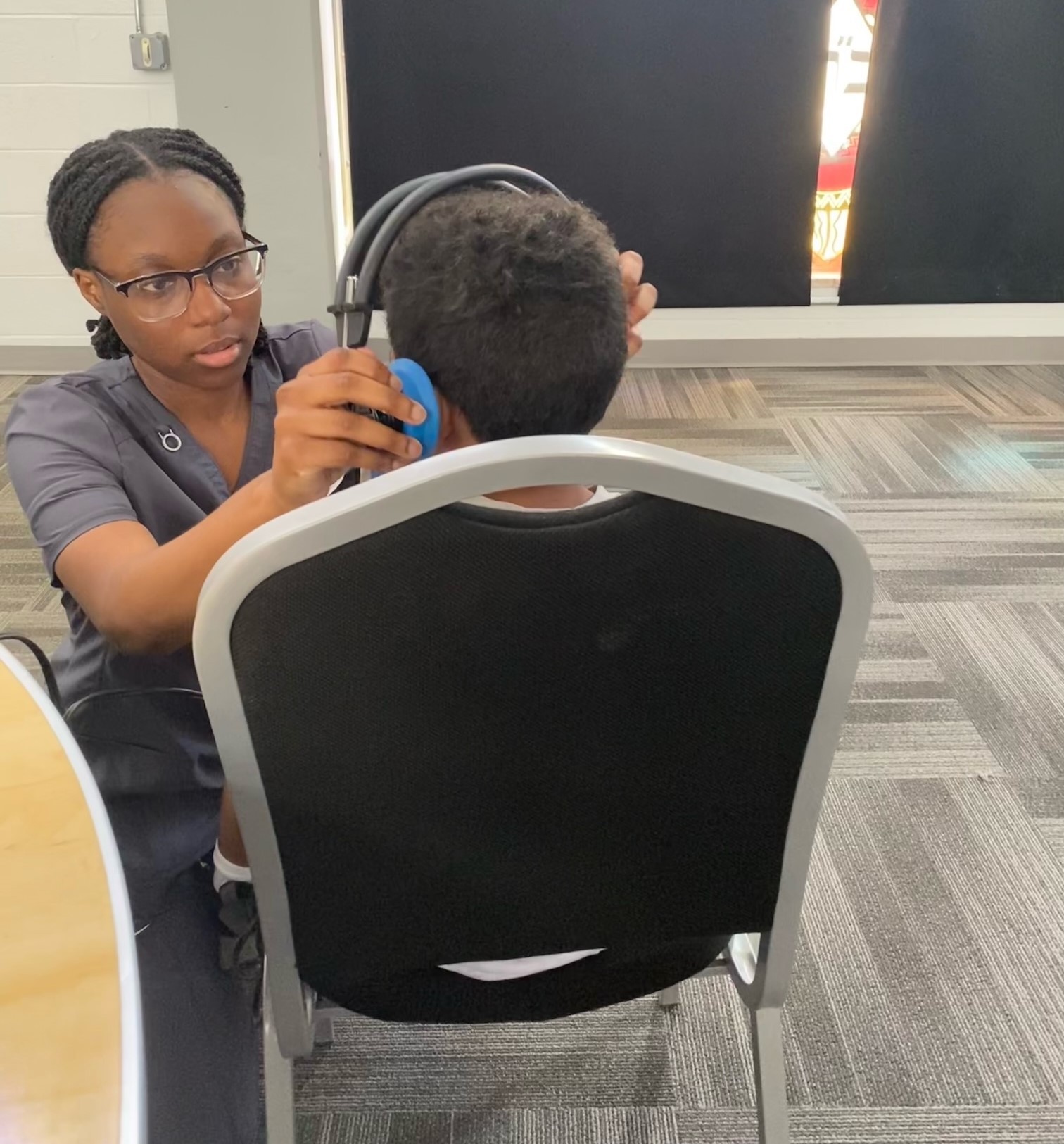 Quick Hearing Tips for Kids
- Use the 60/60 Rule: Keep your tablet and/or headphone volume at 60% or lower and take a 60-minute break every hour. If parents can hear your music from a few feet away, it’s too loud!
- Take Ear Breaks: Give your ears quiet time after using tablets, playing video games, or spending time in noisy environments.
- Keep Your Distance from Loud Noise: At pep rallies, sports games, or school concerts, try to stand further away from large speakers. This will protect your ears in the long run and eliminate any future hearing issues as you grow up.
- Speak Up About Symptoms: If your ears ring, buzz, or feel "stuffy" at any time, tell a parent, teacher or trusted adult right away. If symptoms continues, schedule a visit with an audiologist at PEI or your pediatrician.
For Parents: Why Does It Matter?
School settings can be surprisingly loud. Think of the crowded hallways, sporting events, car music, gaming, and hours spent listening with headphones.
Research published in the International Journal of Environmental Research and Public Health found loud music and recreational noise are common contributors to hearing loss, tinnitus, and hyperacusis (increased sensitivity to sound). The research also points to personal listening devices, concerts, and sporting events as important sources of recreational noise exposure.
It’s not just about how loud something is. How long someone is exposed and how close they are to the sound source also matter.
The National Institute on Deafness and Other Communication Disorders (NIDCD) notes repeated exposure to sounds around 85 decibels or higher can cause hearing damage, with louder sounds becoming risky in less time. Pay attention if your child starts turning up the TV higher than usual or seems to miss instructions.
“Your ears don’t have a reset button. Once sound damages hearing cells, they can’t grow back,” said Martin Pienkowski, PhD, professor at Drexel University’s Osborne Audiology.
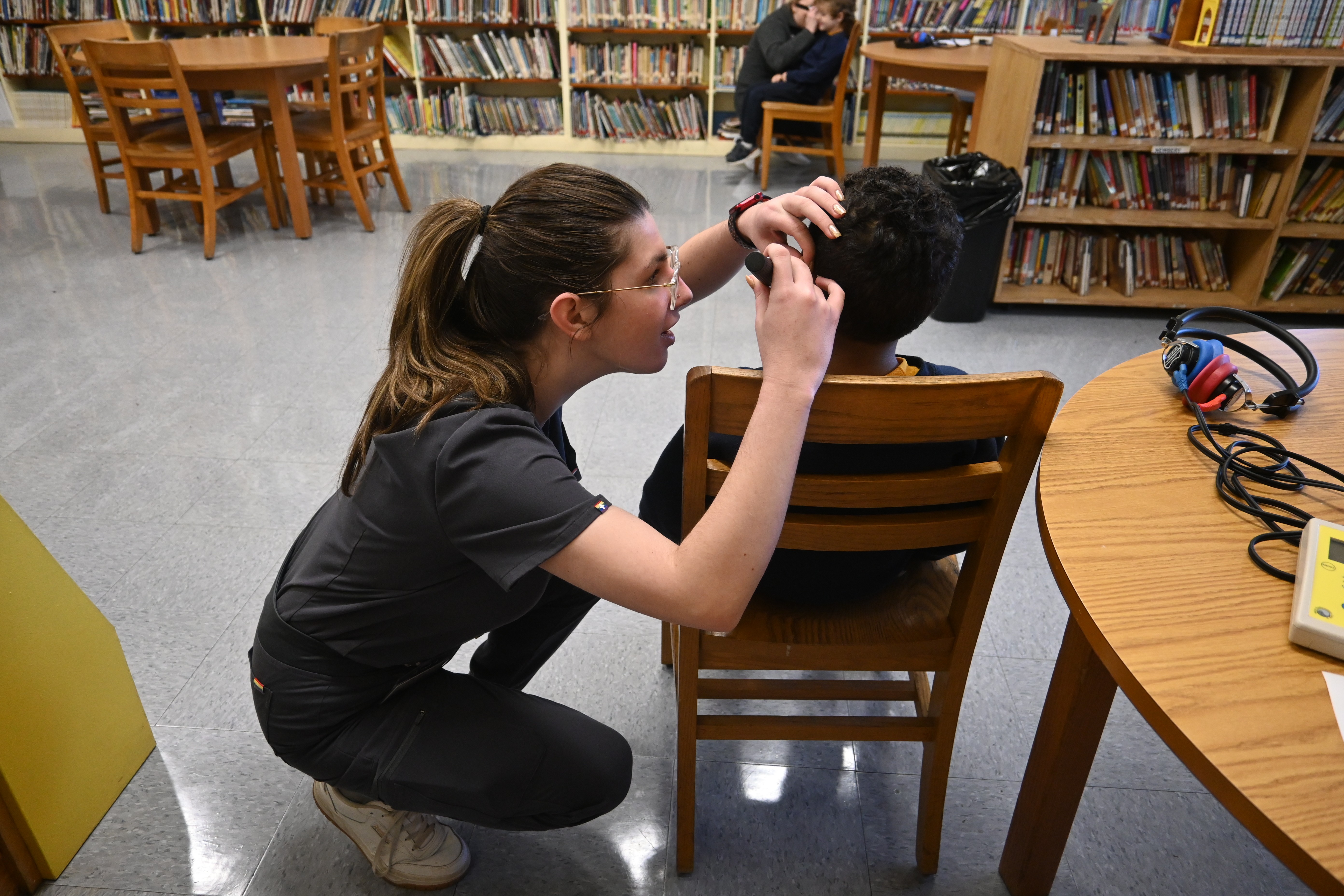 Watch for Warning Signs
If your child experiences ringing in the ears, muffled hearing, or difficulty understanding conversations, especially after exposure to loud noise, don't brush it off.
These can be signs that ears have had more noise exposure than they can comfortably handle. If the problem continues or keeps happening, consider having your child’s hearing checked by a professional.
A Small Step Toward Lifelong Hearing Health
Simple habit such as keeping headphone volume at safe levels, taking listening breaks, using hearing protection at loud events, and paying attention to hearing-related symptoms can help protect hearing throughout childhood and beyond.
A few small habits now can help keep your hearing healthy for the music, conversations, and experiences that matter in the years ahead.
For more information on PEI’s services or to make an appointment, call 215.780.3180.