Aphakia: A Life Without Your Natural Lens
Aphakia, which means “without a lens,” is a rare eye condition where the eye in missing its natural lens. According experts at The Eye Institute (TEI) of Drexel University, it can occur as a result of birth defects, trauma, or surgical removal of the lens, and it can affect just one eye or both. Without the lens, patients experience to extremely blurred vision and focusing issues. This often necessitates very thick glasses or full-time contact lens wear for patients to lead normal lives.
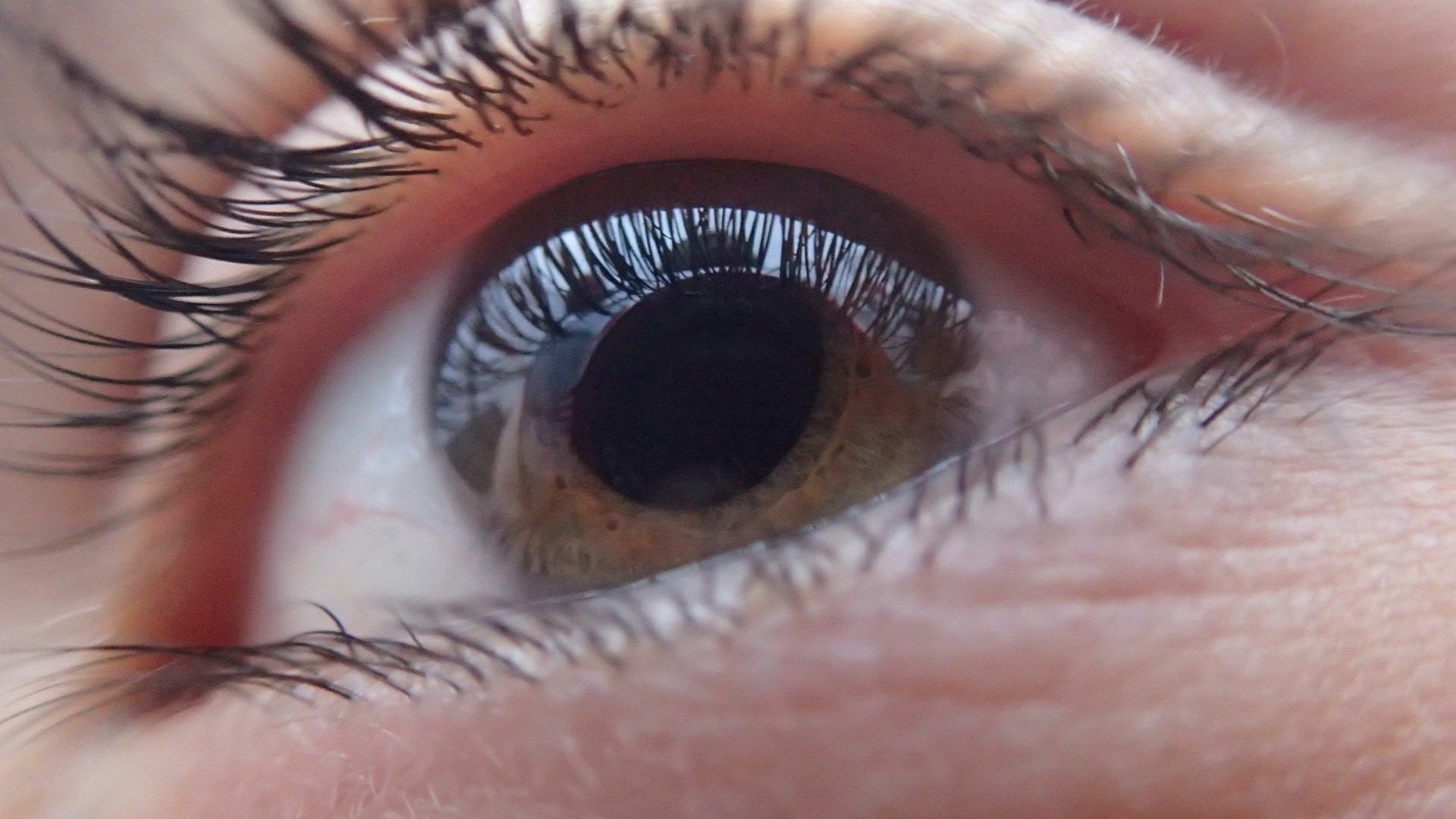 In order to understand aphakia, it’s important to have a basic understanding of the eye and its anatomy. The eye contains many important structures, including the cornea, the crystalline lens, the vitreous, the retina, and the optic nerve. We think of the eye like a camera: it has a series of lenses that focus light clearly onto the screen in the back. When light enters the eye, it first hits the cornea, which is a very thin, transparent structure that sits right in front of the iris, the colored part of the eye. The cornea does about two-thirds of the total focusing of the eye, so when light hits this surface, it is bent substantially to be clearly projected onto the retina.
After passing through the cornea, the light travels through the pupil, the black circle in the middle of the eye, and hits the crystalline lens. The lens sits right behind the iris, and accounts for one-third of the focusing power of the eye. The light then travels through the lens and is more precisely focused. Once the light reaches the retina, the information is processed and sent to the brain through the optic nerve, and the result is clear vision.
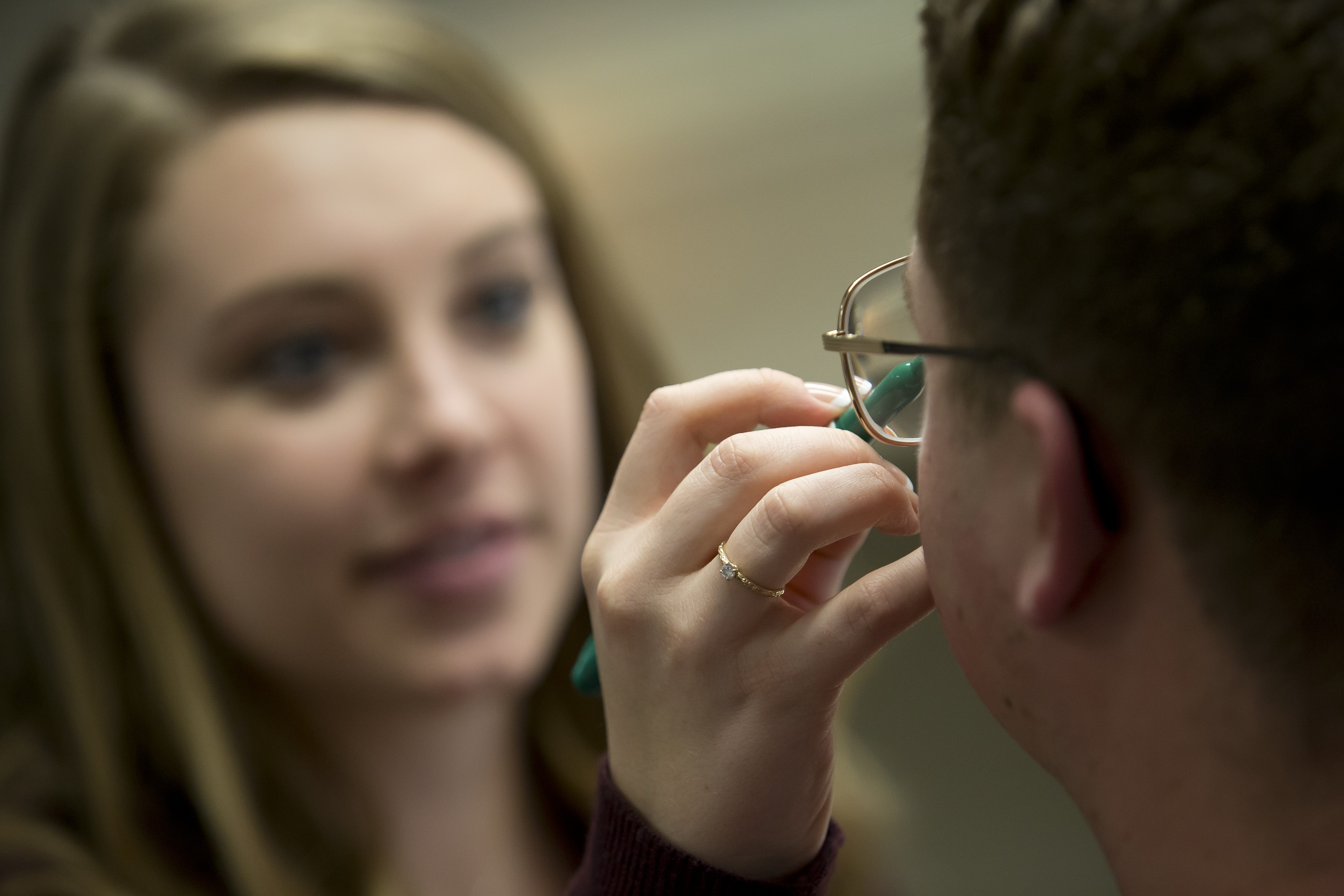
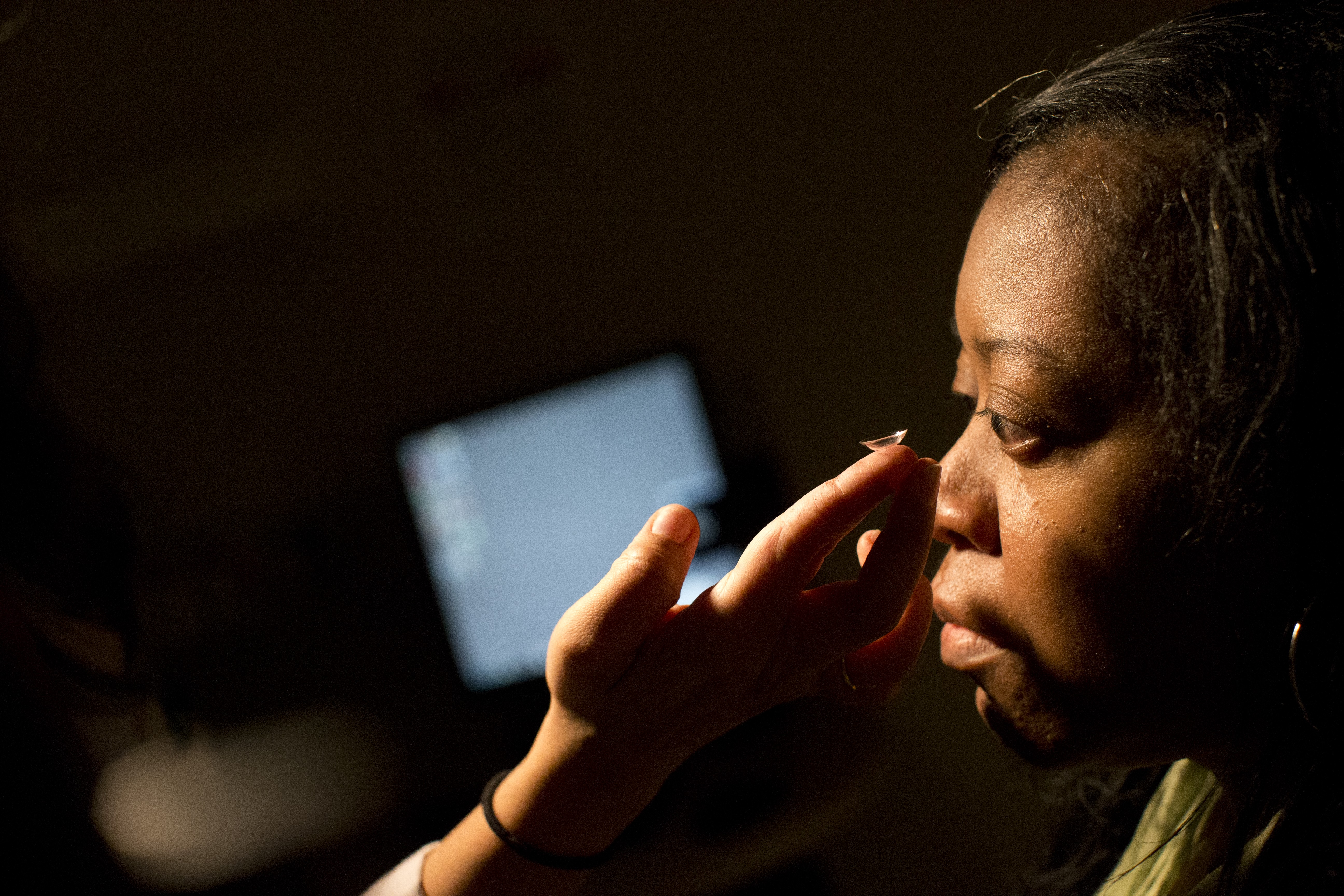 A patient who is aphakic is missing 33% of the focusing power of the eye, which results in very blurry vision. In order to correct this, patients are often prescribed high-powered contact lenses or very thick glasses. Most patients elect for the contact lenses over glasses because the contacts are much less cumbersome and more cosmetically appealing. With proper correction, patients with aphakia can live a normal life with relatively clear vision.
“Life with aphakia can be extremely challenging. High-powered contacts and glasses can be the difference between a child struggling to read their homework to seeing the board in school or a ball on the field,” said Dr. Aidan Go, primary care optometrist at TEI.
The most common cause of aphakia is surgical removal of the natural lens. The lens is often removed because it has developed a cataract, which is a clouding or opacification of the lens. Most cataracts are age-related and develop naturally over many decades. Many patients have them surgically removed between the ages of 60 and 85. When patients undergo cataract surgery in their later adult years, the natural lens is replaced by a plastic man-made lens. This leaves patients in a state called pseudophakia, meaning “fake lens.”
 Aphakia occurs when the natural lens is removed surgically but not replaced by a synthetic lens. Congenital cataracts, a rare type of cataract that children are born with, are a very common reason for aphakia. When cataract surgery is performed on children, an artificial lens cannot be placed in their eye because they are continuously growing, so the proper lens size cannot be chosen until adulthood.
Cataracts caused by eye trauma can also result in aphakia in children for the same reason. In very rare cases, aphakia can occur without surgical intervention. The Genetic and Rare Diseases Information Center reports that 1 in 30,000 to 1 in 200,000 children are born without a natural lens. These patients often suffer from other developmental abnormalities in addition to aphakia. Despite the reasoning for aphakia, the treatment and management are the same: regular eye exams with high-powered contact lenses or glasses.
If you have any further questions regarding aphakia, cataracts, or cataract surgery, call 215.276.6111 to schedule an appointment with an expert eye doctor at The Eye Institute.