Cataract Awareness Month: Learn How to Protect Your Eyes
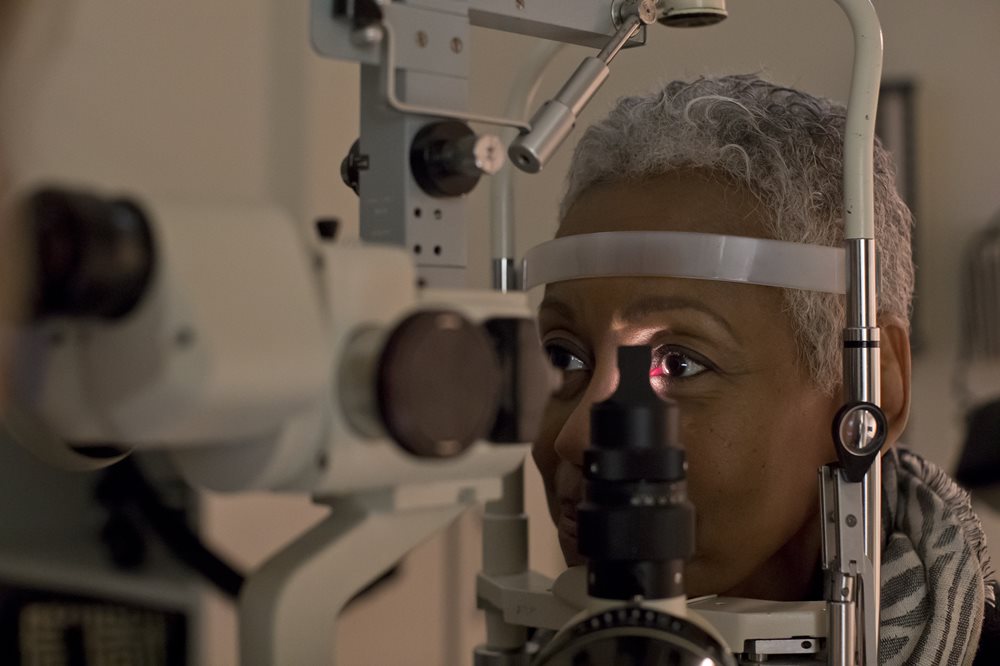
With normal aging comes cataracts. Cataract Awareness Month, observed annually in June, serves as a vital public health campaign that teaches people about cataracts, which rank among the most common causes of worldwide vision impairment.
The awareness campaign occurs in June to promote ways people can avoid cataracts, which leads to early detection, and provides patients with better results in both vision and life quality.
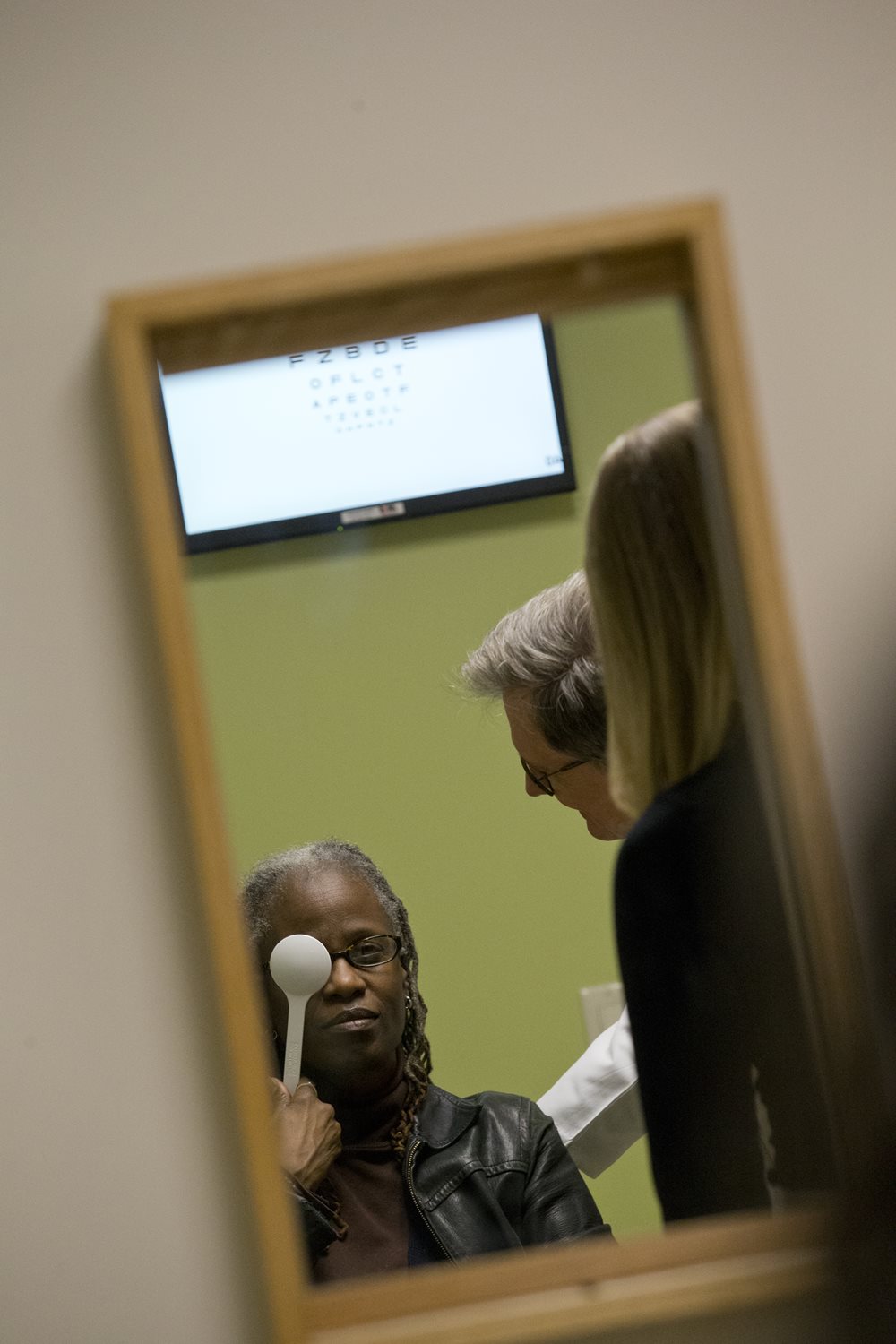 According to Dr. Carlo Pelino, chief of The Eye Institute (TEI) of Drexel University’s Chestnut Hill location, the lens in the eyes have proteins and they start to break down. And, when they start to break down, these proteins clump together and create a film either in the lens or near the surface of the lens.
“What starts to happen - as the haze thickens – the cataract progresses, and the patient will start to have symptoms,” said Dr. Pelino.
Those symptoms, he added, include blurred vision, distance and near; halos, visual rings around light, usually during night time driving; light sensitivity from increased sunlight; and color perception that’s altered. Cataracts can also change one’s glasses prescriptions.
Dr. Pelino stressed it’s not just the aging process that can cause a cataract. Certain medical conditions like diabetes, or certain medications like steroids can cause the cataract to occur and present earlier in life. The other thing to remember, he said, is that lifestyle factors such as smoking and alcohol consumption, along with an eye injury can cause cataracts to form.
Cataract Awareness Month teaches patients about cataracts and their development process.
According to the American Society of Cataract and Refractive Surgery (ASCRS), a cataract occurs when the eye’s natural lens becomes cloudy, leading to blurred vision, glare sensitivity, difficulty seeing at night, and faded color perception. Many patients mistakenly believe vision loss is a normal part of aging and may delay seeking care. The awareness campaign helps patients understand cataracts require treatment, and surgical procedures can make many cases treatable and reversible.
The main purpose of Cataract Awareness Month is for patients to seek care from an eye care professional and to find cataracts at their first signs of development. Eye doctors at The Eye Institute can detect cataracts during their initial stages through routine eye exams because those tests identify cataracts before patients experience major vision changes, which is why an annual eye exam is important. Patients can expect to receive ongoing monitoring while doctors determine the right time to treat them. The early detection process prevents complications, which include increased fall risk, loss of independence, and decreased participation in daily activities.
Cataract Awareness Month shows cataract surgery as one of the safest surgical treatments performed most frequently around the world, according to the ASCRS. Many patients experience anxiety about surgical procedures because they do not understand what will happen during the operation.
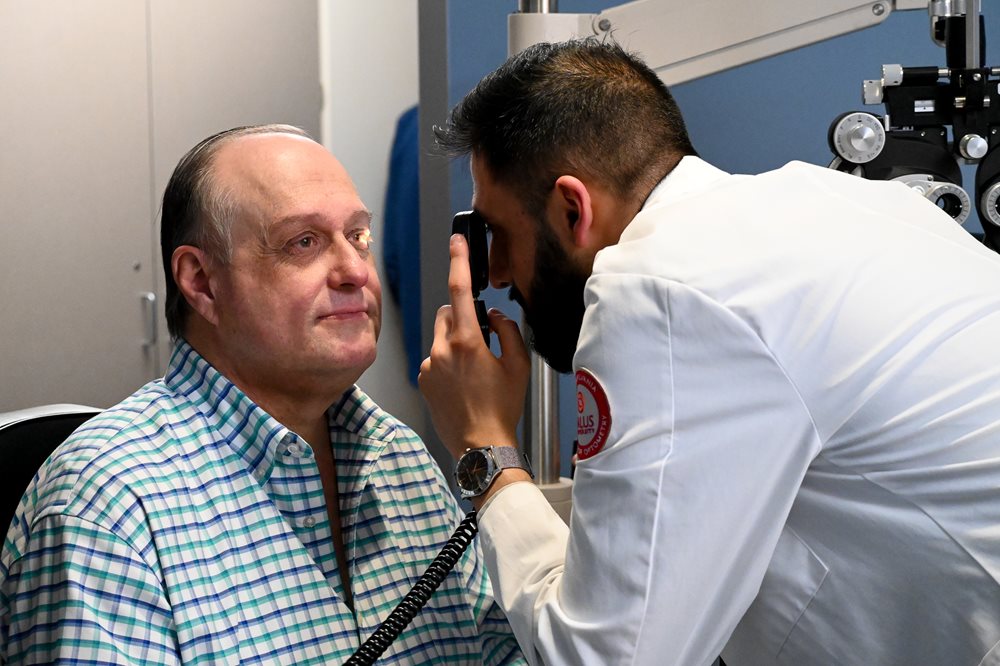 Awareness enables patients to obtain better medical treatment because it motivates them to seek expert assistance and research their treatment options. Some individuals may delay treatment due to cost concerns, lack of access, or limited understanding of available options. The awareness efforts provide patients with necessary information about their insurance coverage, community programs, and low-cost services, which help them access required medical treatment.
The campaign also aims to decrease misconceptions about vision preservation, which allows patients to learn and use the proper methods for protecting their eyesight and restoring their lost vision. The efforts create better safety measures, which allow cataract patients to live independently while experiencing enhanced quality of life.
“It’s a silent loss of vision. Patients usually aren’t aware they have cataracts because of how slowly they grow. It would be very wise to have a yearly exam if you’re over the age of 50 to check for cataracts,” said Dr. Pelino.
If you are experiencing any symptoms of cataracts, call TEI at 215.276.6111 for safe and effective treatment options.