Protect Your Eyes in Style: National Sunglass Awareness Day
With the warmer weather upon us and as we spend more time outside, it’s important to remember proper sun protection for your eyes.
National Sunglass Awareness Day, recognized annually on June 27, promotes awareness and education for how to protect your eyes from the harmful effects of the sun.
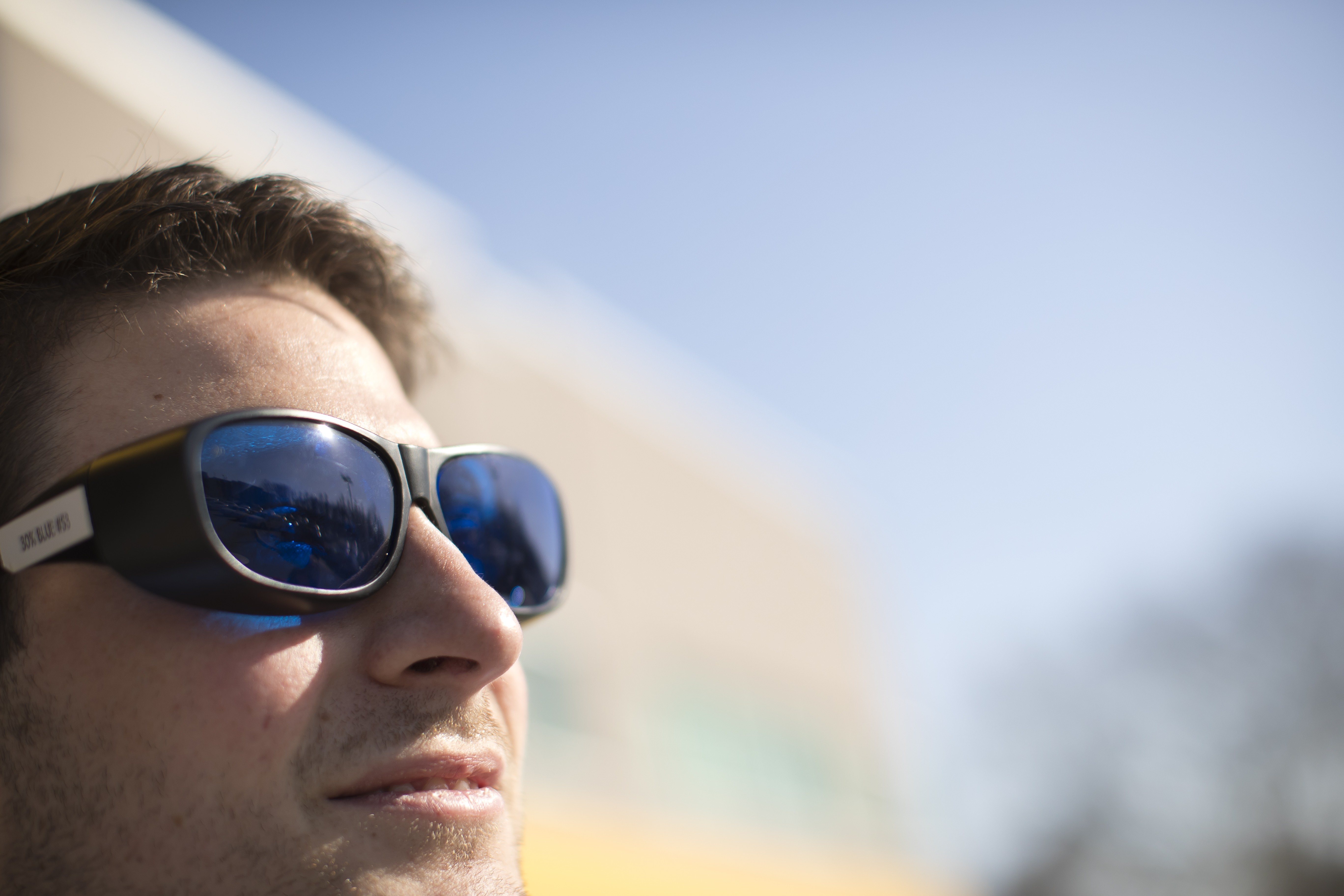 “I always tell my patients, whether we are talking about cataracts, macular degeneration, or pinguecula (a harmless, non-cancerous yellowish or white raised growth that develops on the conjunctiva, the clear membrane covering the white part of the eye), sun protection is important; wearing your glasses, sunglasses, or a hat when you are spending any amount of time outside is the safest and easiest way to care for your eyes long-term,” said Dr. Erin Kenny, chief of the William Feinbloom Low Vision Rehabilitation Center, housed at The Eye Institute of Drexel University. “Our goal is keeping patients healthy and comfortable doing the things they want and need to do.”
Here are some questions and answers to help protect your eyes from the sun:
Q: How can the sun and its harmful UV rays affect our eyes?
A: High energy Ultraviolet (UV) light rays can damage the DNA in our cells, accelerate aging, and promote harmful cellular mutations that could lead to cancer. Several eye conditions are also related to unprotected exposure to UV light are listed below:
- Cataracts: A clouding of the natural lens in the center of the eye. Cataracts normally develop gradually with age, but excessive UV light exposure can accelerate the process and lead to blurry vision, trouble driving at night, and decreased contrast sensitivity.
- Macular Degeneration: An accumulation of waste products in the central and most precise area of vision within the eye, called the macula. UV light can breakdown retinal cells and cause worsening of macular degeneration.
- Solar Retinopathy: Staring at the sun without protection, especially during very bright events such as a solar eclipse, can lead to severe damage to the back of the eye, called the retina. If you have ever used a magnifying glass outside on a sunny day, the high-powered lens of the magnifier condenses the sunlight into high energy and heat which can cause burns and fires. Something similar happens in the eye when we look directly at the sun: the high-powered natural lenses in the eye condense the light from the sun and create lots of heat and energy directly focused on the retina.
- Skin Cancer: The eyelids and skin surrounding the eyes are very sensitive and highly prone to developing skin cancer. Proper protection is vital to preventing the development of malignant lesions.
- Photokeratitis: Just like we can get sunburns on the skin, we can also get sunburns on the front surface of the eye, called the cornea. Extended exposure to UV light damages the corneal cells and leads to severe pain and temporary blurry vision.
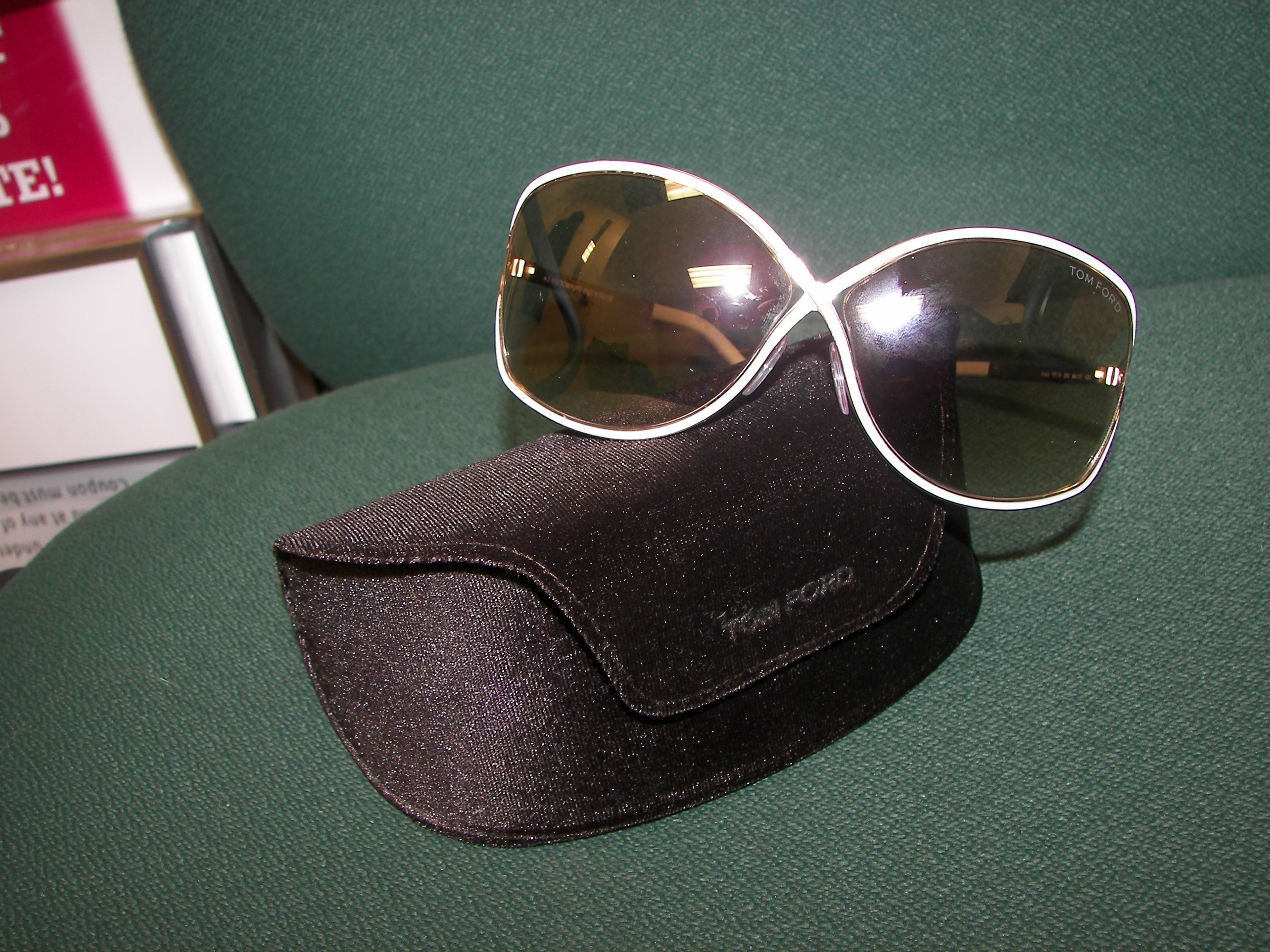 Q: How can you protect your eyes from harmful UV rays?
A: With proper protection from UV rays, sunny summer days can be enjoyed safely. Here are some tips.
- Always wear sunglasses when spending time outdoors (even on cloudy days)!
- Ensure your sunglasses block at least 99% of UV rays, including both UVA and UVB. Sunglasses purchased online or from a department store may not provide adequate protection, so make sure to do your research before purchasing. The best sunglasses are purchased from an optometrist or optician such as those sold at the Optical Center at The Eye Institute.
- Never look directly at the sun to avoid damage to the retinal cells in the back part of the eye.
- Wear sun protection even when it’s not summer! Skiers and snowboarders are at high risk for sun damage to the eyes due to the high light-reflectivity of snow. Tinted goggles with at least 99% UV protection should be worn during these activities.
- Never use tanning beds or other high-radiation devices as they pose major risk for UV damage to the eyes.
Q: How can the sun be beneficial for your eyes?
A: Although we have to be careful when spending time in the sun, it has many benefits to our eyes and overall health as well. With proper UV protection for both our eyes and skin, sunlight has many wonderful health benefits!
- Increased outdoor time has been linked with a decrease in the progression of myopia, or near-sightedness, in children. Eye doctors at The Eye Institute recommend at least one to two hours of outdoor activity per day to prevent high levels of myopia progression in children.
- Natural sunlight helps regulate your circadian rhythm which is important for sleep cycles. Excessive artificial light, especially before bed, can disrupt this rhythm and make it harder to sleep.
- Vitamin D synthesis, an important vitamin for many parts of the eye, is triggered by natural sunlight exposure.
If you have any questions regarding how you can protect your eyes from harmful UV light, schedule an appointment with one of our eye doctors at The Eye Institute. Call 215.276.6111 to schedule today.