Speech-Language Institute Shines a Light on Apraxia Awareness Day
Apraxia Awareness Day, recognized on May 14, is designed to shine a light on apraxia, a communication disorder that affects thousands of children and adults around the world.
According to the National Institutes of Health (NIH), apraxia of speech is a neurological motor speech disorder that makes it difficult for the brain to plan and coordinate the movements needed for speech. Individuals with apraxia know what they want to say, but their brains have trouble sending the correct messages to the muscles used for speaking.
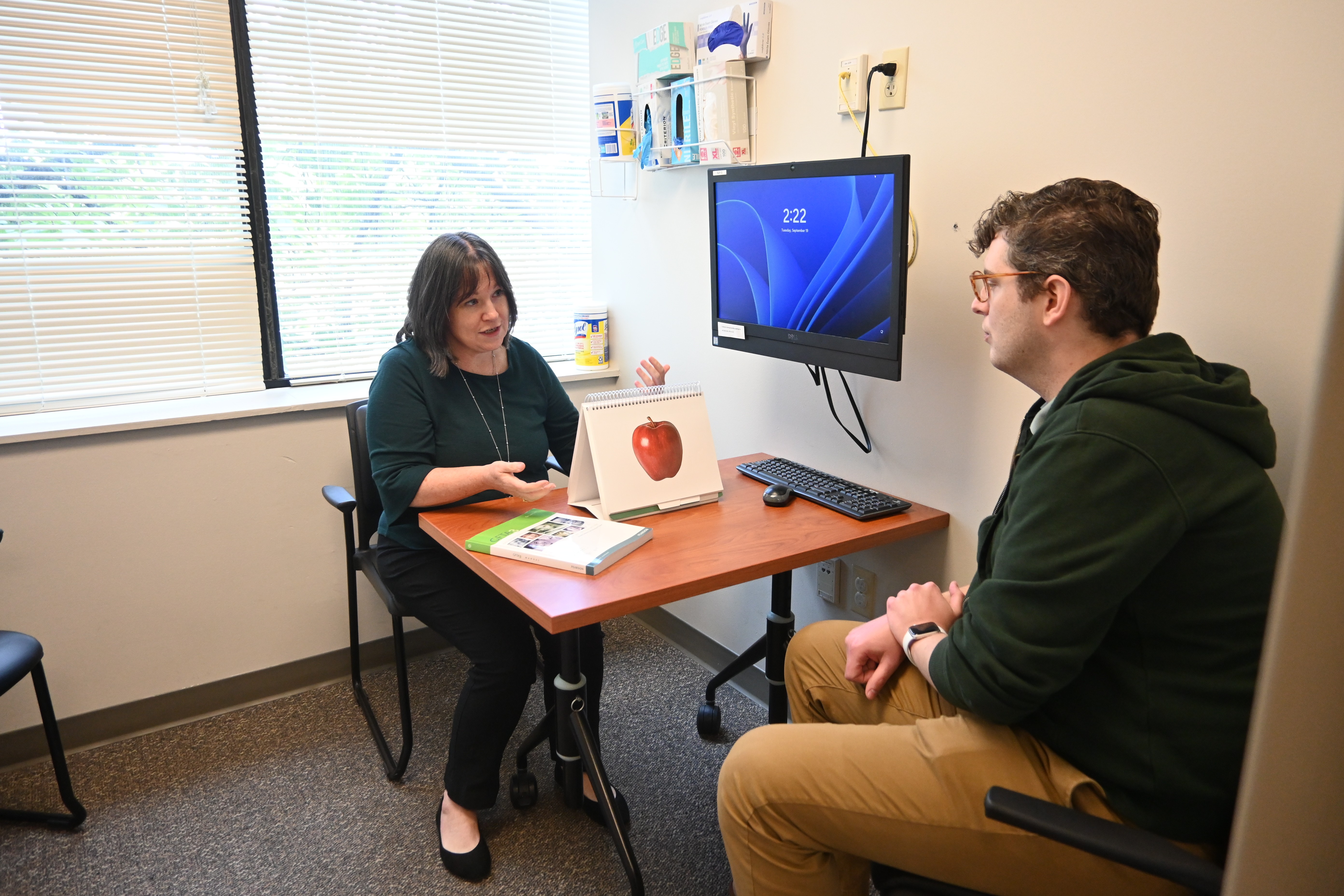 In children, the condition is formally called Childhood Apraxia of Speech (CAS). Children with CAS may have difficulty pronouncing sounds correctly, combining sounds into words, or speaking clearly and consistently. Their speech may sound different each time they attempt the same word. Children with apraxia often require speech therapy and ongoing support. Early intervention from a Speech-Language Pathologist (SLP) at the Speech-Language Institute (SLI) of Drexel University can make a significant difference in helping children improve their speech and confidence.
Adults can also develop apraxia of speech, often after neurological events such as strokes, traumatic brain injuries, or progressive neurological diseases. Adult apraxia can impact daily communication, relationships, and independence. A common side effect of individuals with adult apraxia are feelings of isolation when speaking becomes difficult. It is important that we shine a light on this because awareness and understanding from family members, healthcare professionals, educators, and communities are important.
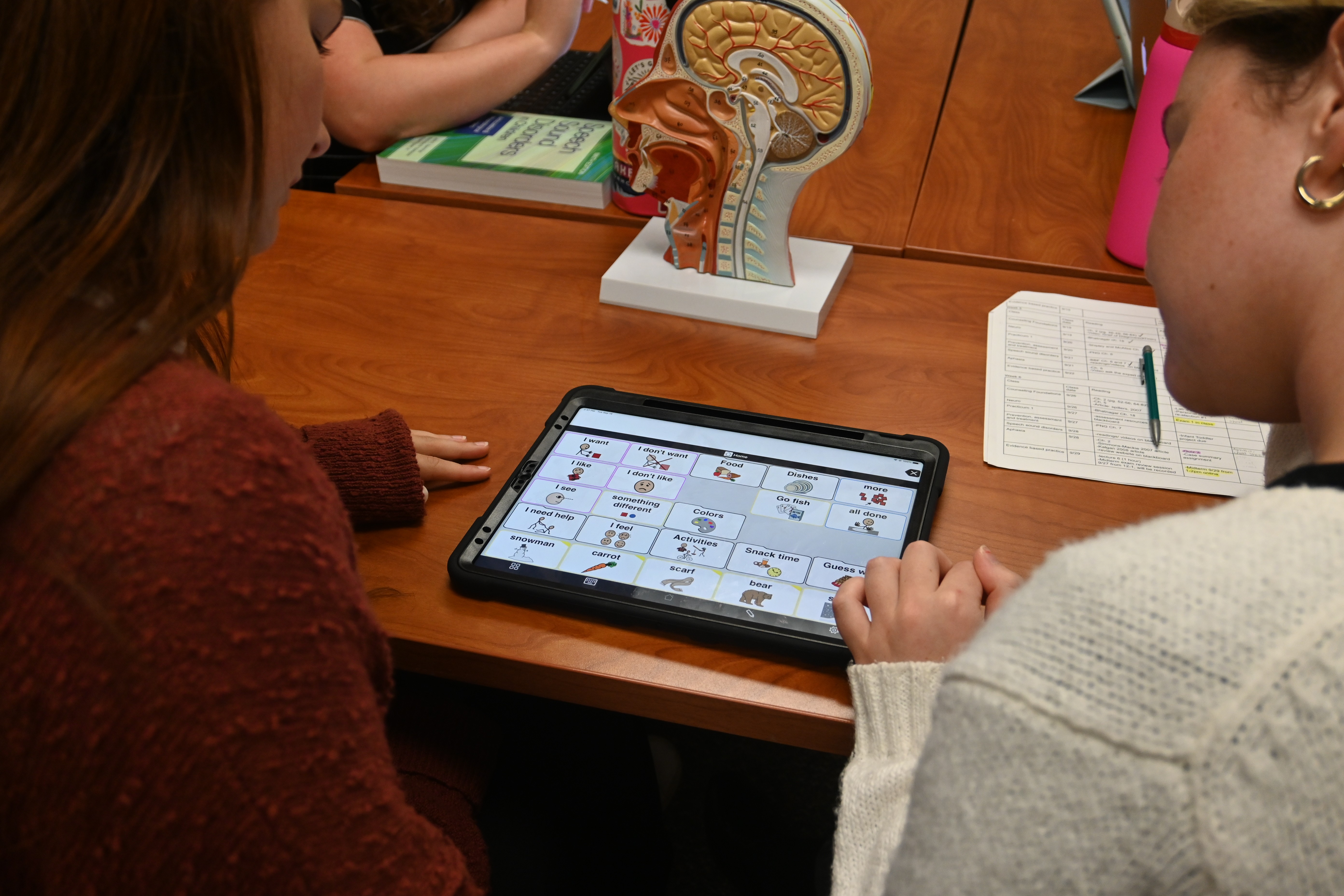 The Speech-Language Pathology (SLP) department at Drexel University has partnered with families and providers for years to offer clinical and research opportunities to clients with childhood apraxia of speech. Experts like SLI clinical educator, Patricia Martin Mayro, MA, CCC-SLP, mentors graduate students and practitioners both on and off campus to build a community of exceptional clinicians to work with clients and their families.
Clinicians and master’s students at SLI not only provide therapy and support for individuals with apraxia in the Elkins Park, Pennsylvania clinical facility, but they also actively participate in the Childhood Apraxia Walk each fall. This event helps raise funds for the mission of Apraxia Kids, which aims to strengthen support systems for children with apraxia of speech through both professional and family education, community engagement and outreach, advocacy efforts, and continued research to improve the future for children with apraxia and their families.
“The SLP program and SLI frequently join fundraising opportunities like the Walk for Apraxia to provide our students the chance to not only interact with children with childhood apraxia of speech and their families but also build advocacy skills to make sure that our community has the necessary awareness and support,” said Robert Serianni, MS, CCC-SLP, FNAP, chair and program director of the SLP program.