Finding the Right Words: Talking to Your Audiologist When You're Not Sure What to Say
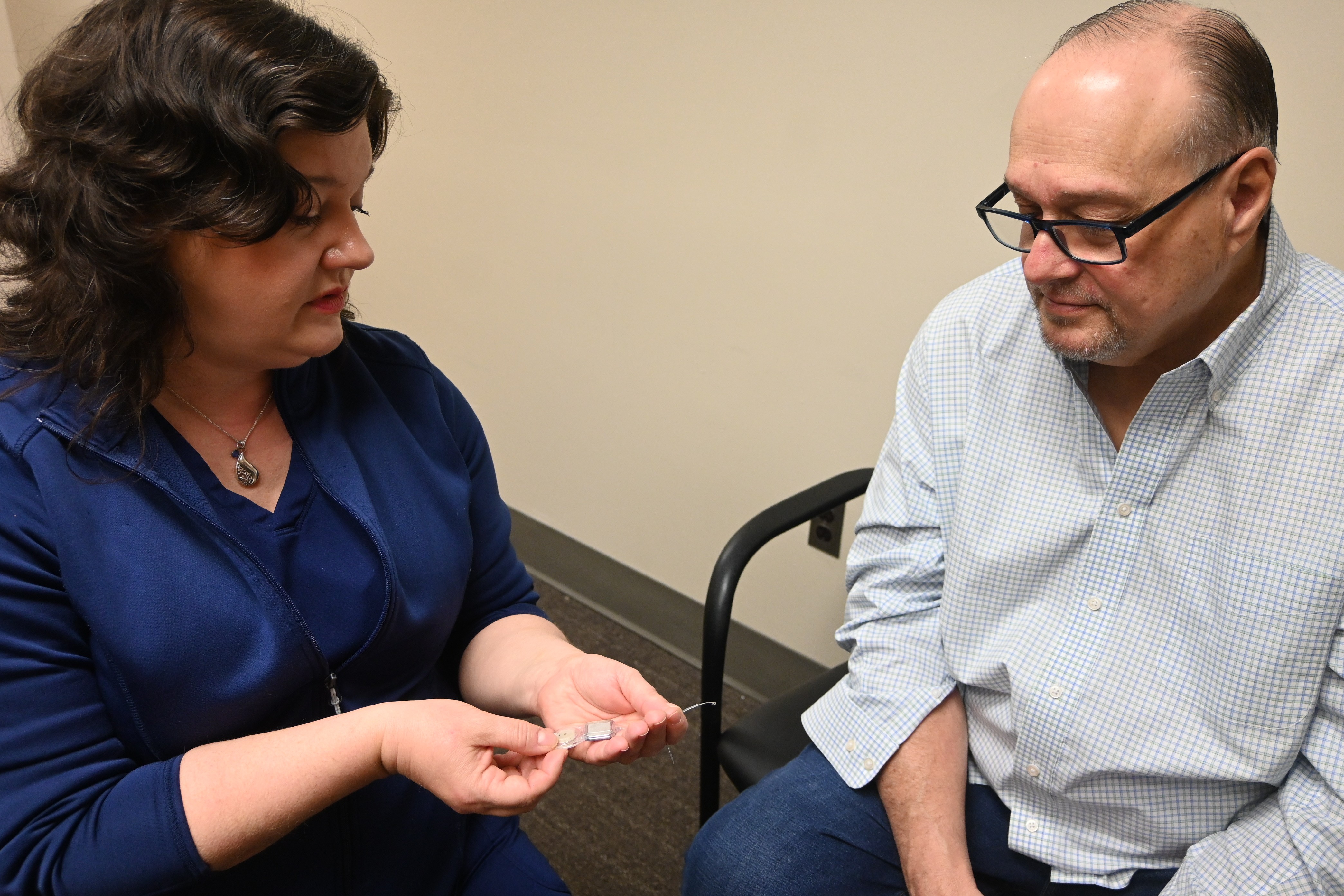
A visit to the audiologist is very different from a visit to a primary care provider. An audiologist is a clinician who diagnoses hearing problems and works closely with patients to provide personalized treatment plans that help them hear and communicate more effectively. Audiologists typically use an entire appointment to learn more about the specific challenges you’re experiencing.
A visit to the Pennsylvania Ear Institute (PEI) in Elkins Park, Pennsylvania may include the testing and evaluation of a patient’s hearing; solutions for those with hearing loss; or tests for balance issues if needed. If you’re going to the audiologist for the first time, it may be a challenge to explain your symptoms and know what to ask. Your audiologist can help—listening carefully, asking questions, and working with you to make sense of your experience. Listed below are ways to help make the most of your time during an appointment at the Pennsylvania Ear Institute.
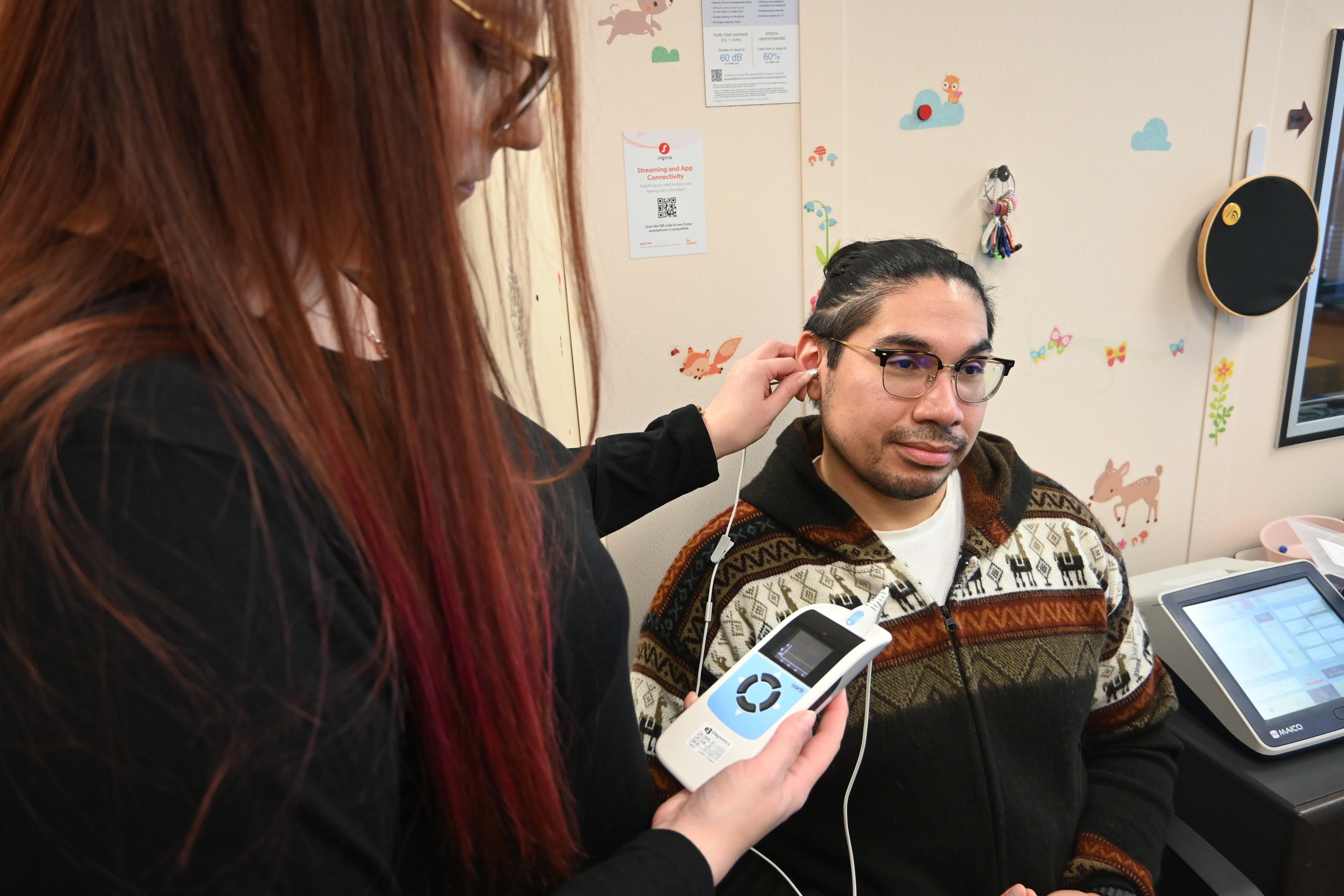 Come with Three Main Points: Before your appointment, focus on three main points you want your audiologist to know. This can include daily noise intake (loud work environment, concerts, etc.), pain, or ringing in the ears.
- Main Symptom: What is the most important or most disruptive thing happening? (e.g. I’m having trouble hearing people in noisy situations.)
- Length of Symptoms: When did it start and how has it changed? (e.g. It started gradually a few years ago, but in the last six months, it has become more noticeable.)
- Impact: How is this affecting your daily life? (e.g. I avoid some social situations because it’s hard to have a conversation.)
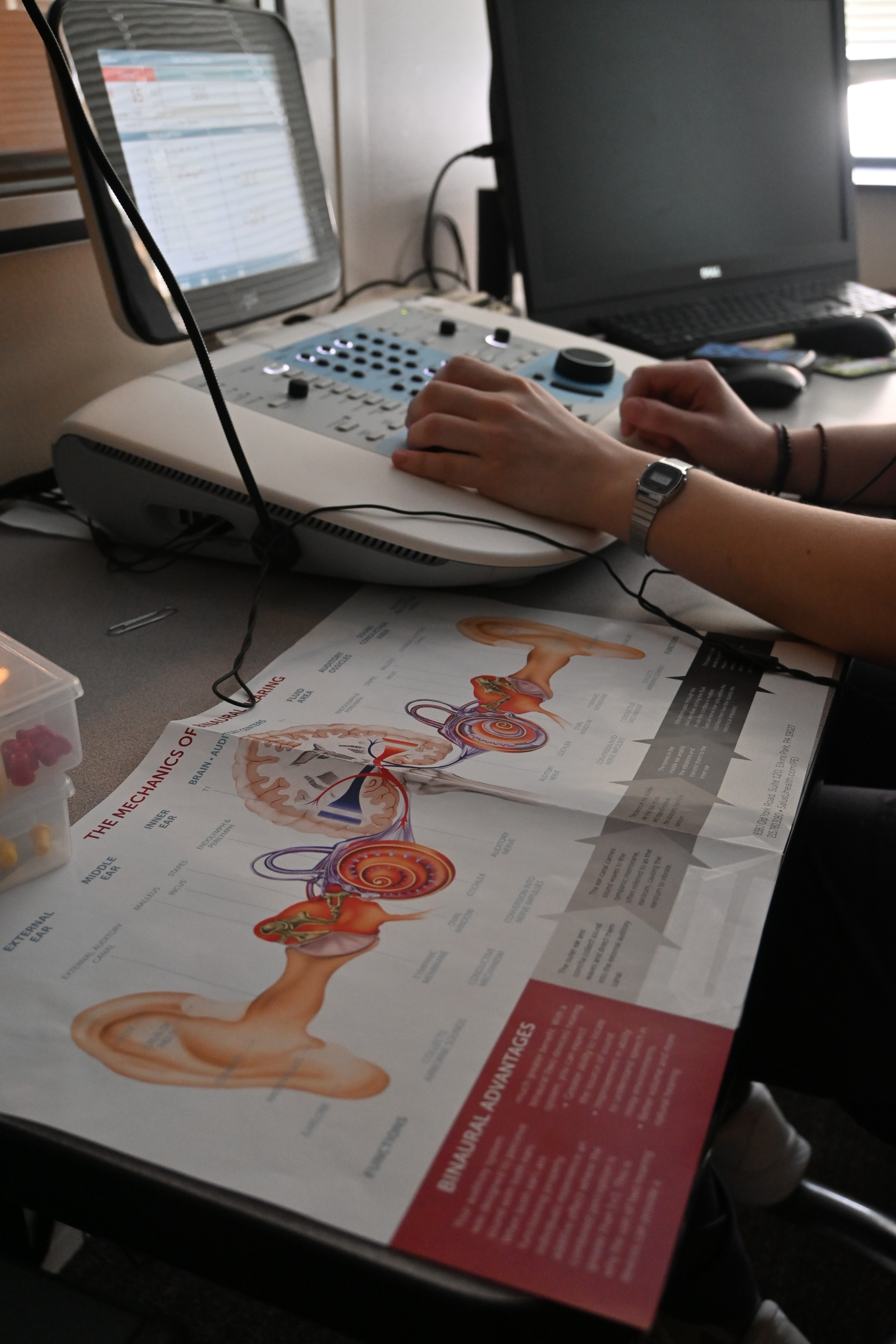 Keep Symptom Notes: You may not be able to remember every major health event or key symptoms that have been bothering you. It may be helpful to use a small notebook or your phone's notes app to track your symptoms in the weeks before your appointment. Start with the three W’s to document.
- When does it happen? (Time of day, after an activity, etc.)
- What does it feel like? (Dull, sharp, fleeting, constant.)
- What makes it better or worse? (A certain position, rest.)
Keep a List of "Must-Ask" Questions: It is easy to walk out the door and forget to ask follow-up questions. Before the appointment ends, be sure to ask crucial follow-up questions concerning treatment plans or next steps, such as:
- Do you think this is a permanent problem?
- What would be the next steps if this treatment plan is not effective?
For more information on PEI’s services or to make an appointment, call 215.780.3180.