Behind the Delay: Ask A Speech-Language Pathologist About Developmental Milestones
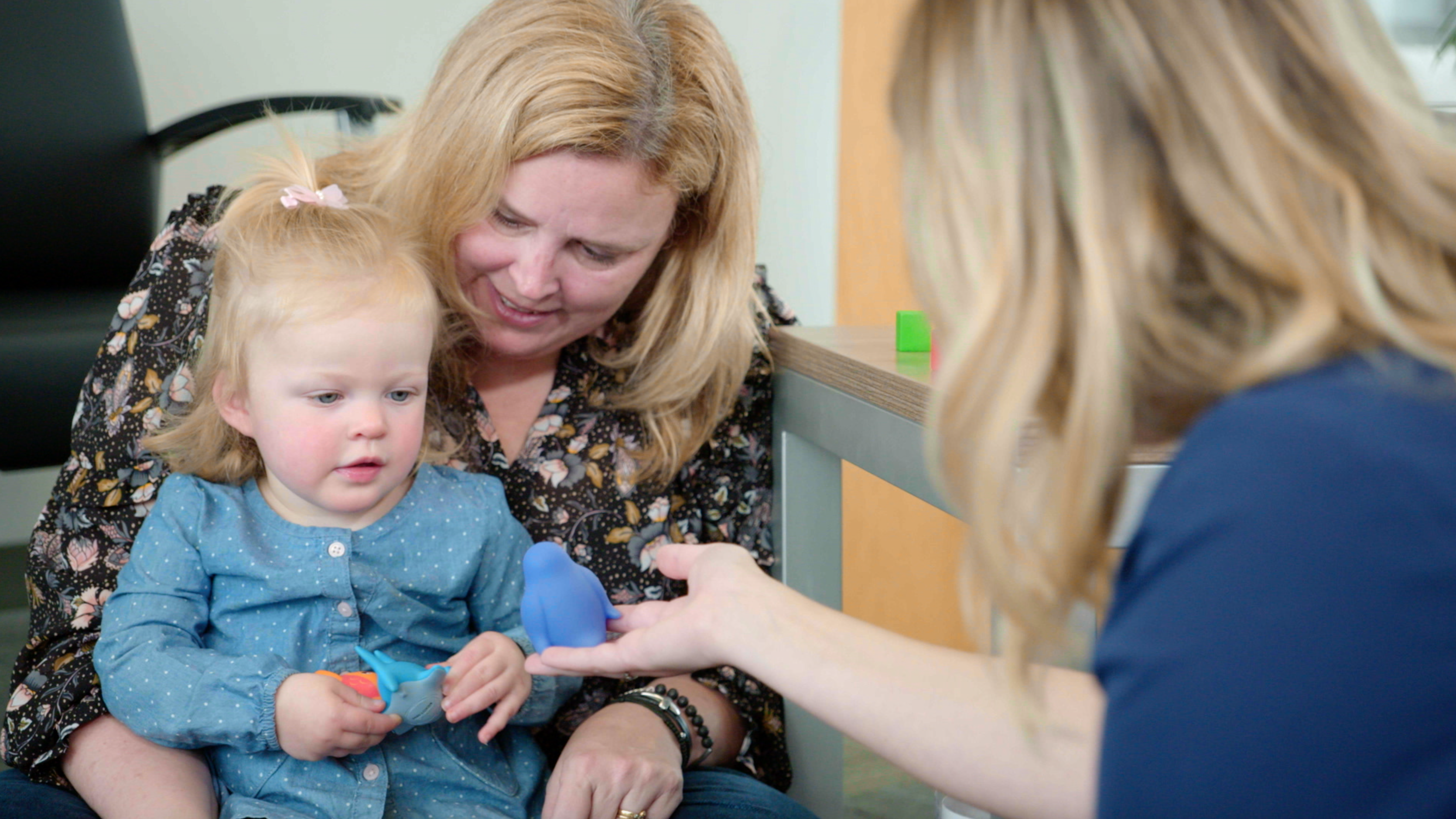
We asked experts at the Speech-Language Institute (SLI) of Drexel University to answer some of the more common questions they receive from clients.
Here are the answers:
How do you tell the difference between a developmental delay and a disorder?
When distinguishing a developmental delay from a developmental disorder, Speech-Language Pathologists (SLP) at SLI looks at both the pattern and the pace of a child’s communication skills. A delay means the child is developing in the typical order but more slowly than expected for their age, like being behind on a path but still following the same route.
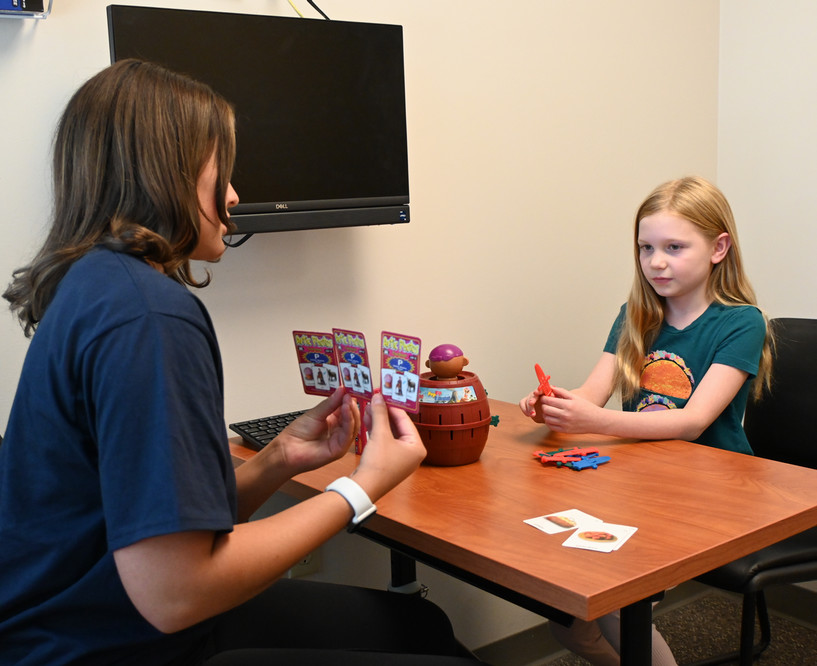 A disorder, on the other hand, involves an atypical pattern of development, where skills may emerge unevenly, in an unusual sequence, or not at all.
To make this distinction, SLPs use standardized assessments, observe how the child communicates and plays, interview caregivers, and compare the child’s abilities to established developmental norms. They also look for red flags such as regression, lack of imitation, or unusual speech patterns that suggest something more than a simple delay.
“Families often wonder whether a child is simply developing at a slower pace or showing signs of a communication disorder,” said Trish Mayro, MA, CCC-SLP, clinical educator at SLI. “By asking early, they give SLPs the chance to look closely at those patterns and provide timely, evidence‑based support that can make a meaningful difference.”
Contact the Speech-Language Institute (SLI) at 215.780.3150 to schedule an appointment.