Ringing in the Ears? Tinnitus Care at the Pennsylvania Ear Institute

Have you ever been to a loud concert and left with the sound of ringing in your ears? That sound is a temporary glimpse into a condition called tinnitus. It's the experience of hearing a ringing, buzzing, or hissing sound when there's no outside sound source. Tinnitus is most often linked to hearing loss that is typically the result of exposure to loud noise over a period of time. Tinnitus can also be caused by head injuries, medical conditions, and some medications.
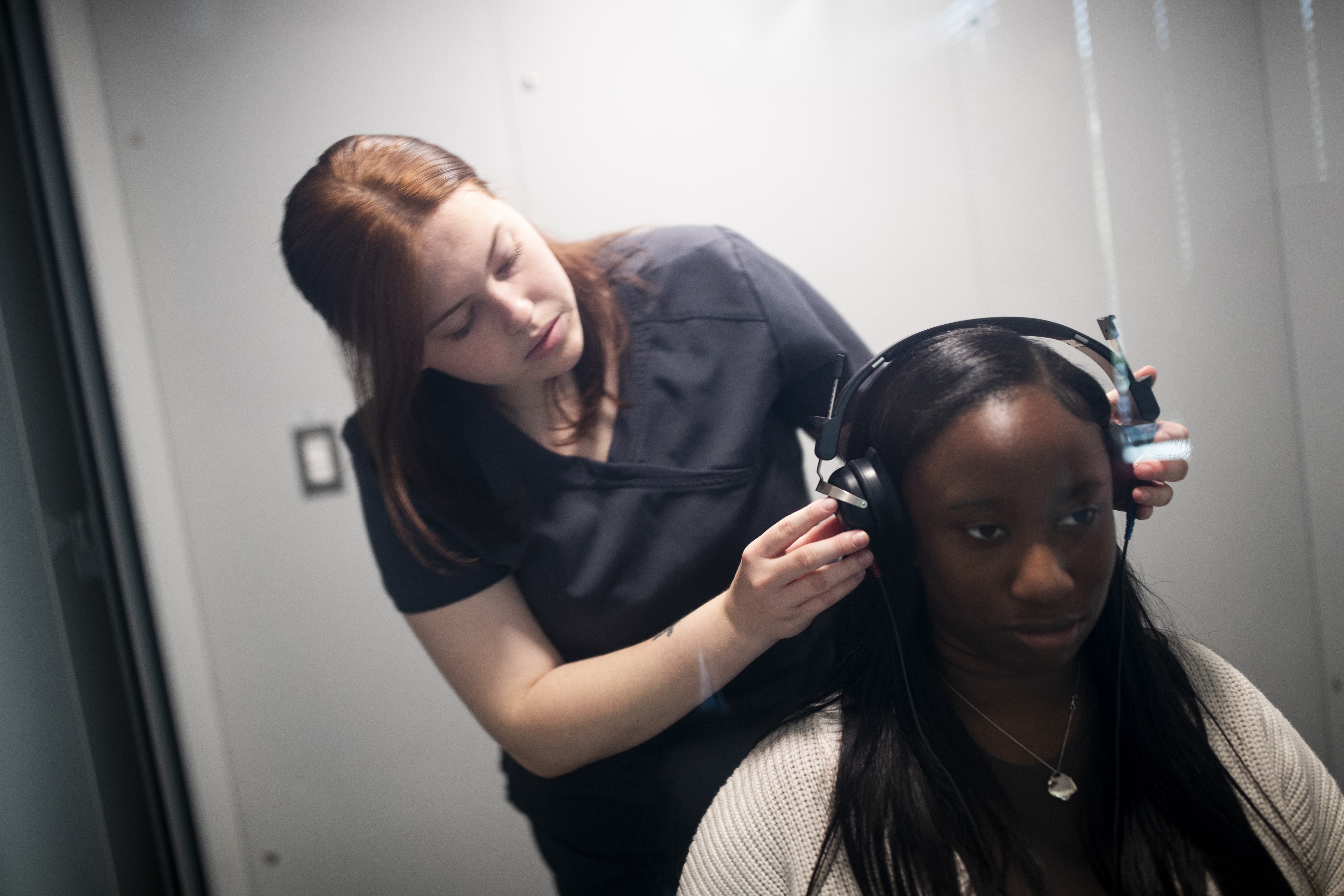 Tinnitus Awareness week, Feb. 2-9, is a time to raise awareness about a condition that can deeply impact quality of life. For those with chronic or severe tinnitus, the condition can be disruptive to even the simplest of tasks. Imagine trying to sleep, focus on a conversation, or concentrate on work while a constant sound plays in the background. Chronic tinnitus can lead to mental fatigue, irritability, difficulty sleeping, and difficulty concentrating.
According to Dr. Rebecca Blaha, lead audiologist for the Pennsylvania Ear Institute (PEI) of Drexel University in Elkins Park, Pennsylvania, raising awareness helps validate the experiences of those affected and combats the common misconception that tinnitus is simply "ringing ears" that one can easily tune out/be ignored.
While there's currently no "cure" for most forms of tinnitus, there are many effective management strategies. Treatments are highly individualized and involve counseling and sound therapy. Treatment methods incorporate elements of Cognitive Behavioral Therapy (CBT) which focuses on changing the emotional reaction to the sound. Sound therapy is the use of external sound such as nature sounds, white noise, or music to promote relaxation and distraction from the tinnitus sound. Hearing aids can also be very helpful, especially when tinnitus is accompanied by hearing loss. Hearing aids amplify sounds in the environment that can draw attention away from tinnitus while also improving listening and communication.
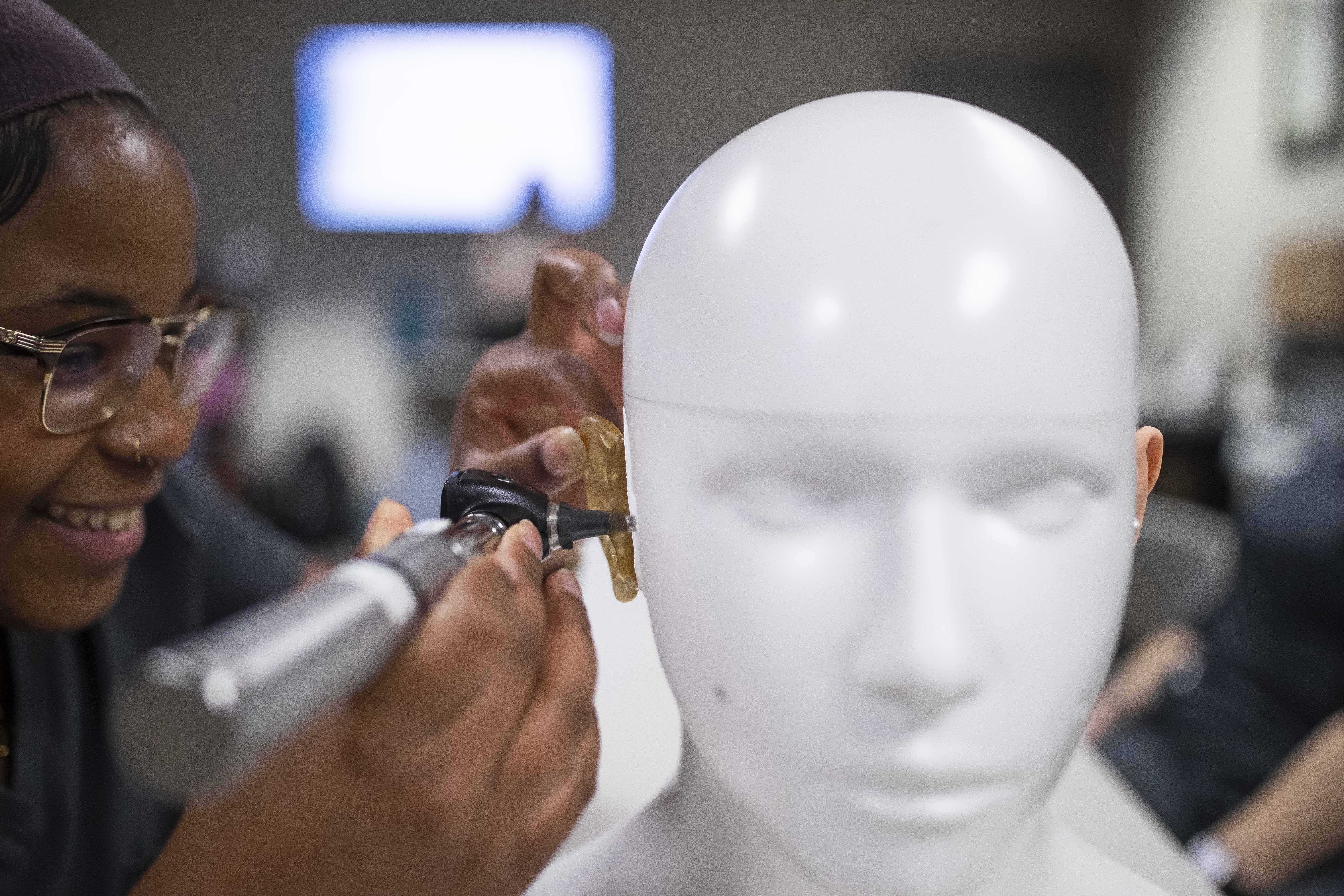 Ultimately, the goal of tinnitus awareness is to bring understanding, education, and support to affected individuals. Knowing what tinnitus is, what causes it, and what management options exist is the first step toward a better life for millions.
Educating the public on risk factors, such as loud noise exposure, is the first step in prevention, according to Dr. Blaha. She recommends always using hearing protection during noisy activities to ensure your hearing is not damaged and allows you to continue to enjoy your favorite pastimes.
If you suspect you have chronic tinnitus, consulting an audiologist at the Pennsylvania Ear Institute (PEI), or an ear, nose, and throat (ENT) specialist can help created a personalized treatment plan to improve your quality of life.
For more information on PEI’s services or to make an appointment, call 215.780.3180.