More than Awareness: Celebrating Deaf Culture and Community
Deaf Awareness Month is celebrated every September to recognize and celebrate Deaf culture, history, and contributions while also raising awareness about the communication needs and challenges faced by the Deaf and hard-of-hearing community. It's a time to promote inclusion, advocate for accessibility, and encourage people to learn more about American Sign Language (ASL) and the Deaf community's unique identity.
The tradition began in 1958 and was established by the World Federation of the Deaf. As awareness grew, the celebration expanded into the International Week of Deaf People, observed during the last full week of September.
Today, the entire month of September is recognized as Deaf Awareness Month, emphasizing education, accessibility, and inclusion and opportunities for Deaf individuals. The 2026 theme, “Declaring Deaf People’s Human Rights,” emphasizes the ongoing commitment to protecting and promoting the rights of Deaf people around the world.
Deaf people share many similar life experiences, which contribute to Deaf culture. According to the World Federation of the Deaf, it includes “beliefs, attitudes, history, norms, values, literary traditions and art shared by those who are Deaf.” The most visible aspect of Deaf culture is the use of sign language as the primary form of communication. Also, people from the Deaf community develop deep connections with each other, creating a very powerful network.
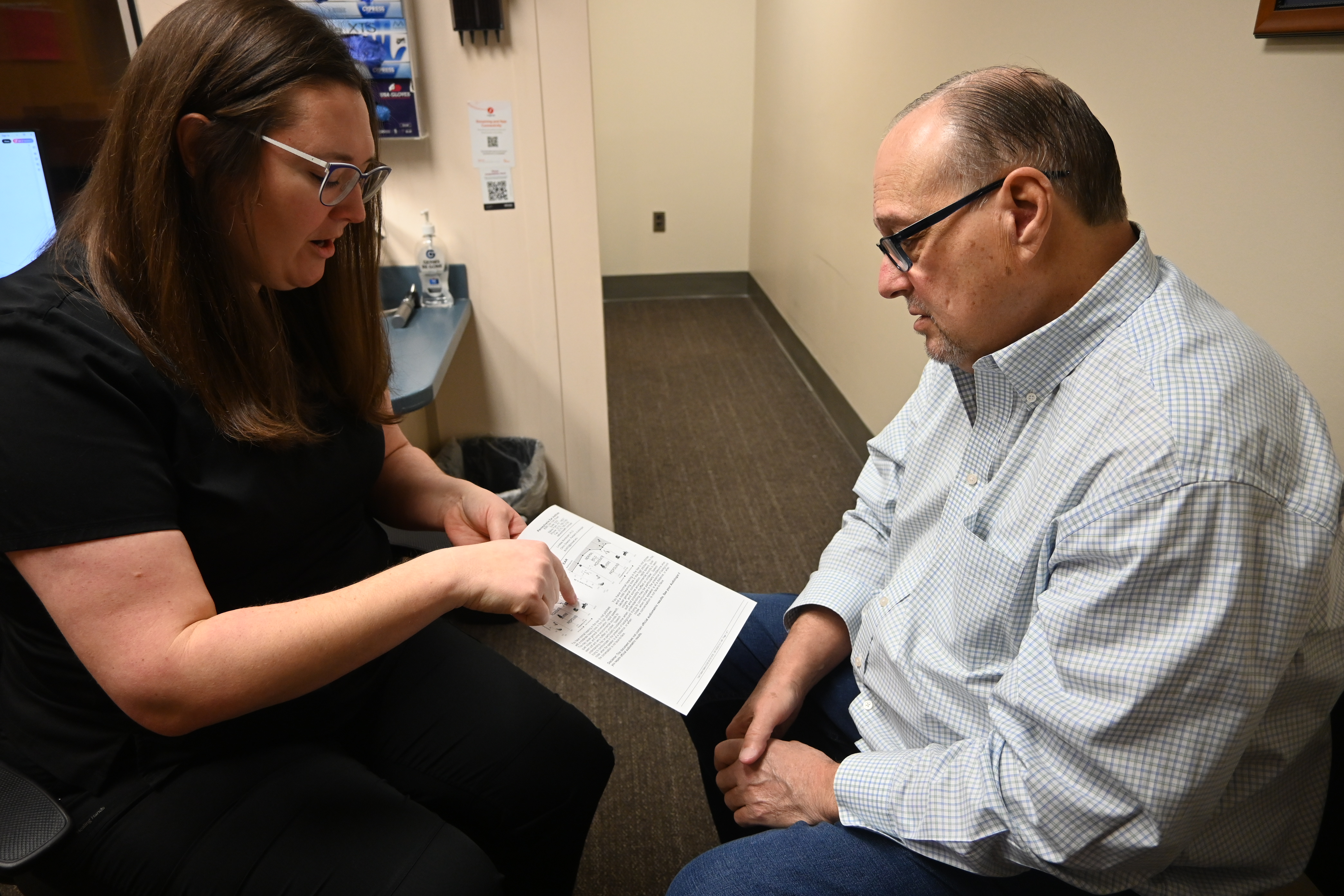
In a recent podcast with Dr. Rebecca Blaha, lead audiologist at the Pennsylvania Ear Institute (PEI), Dr. Kathleen Riley, an educational audiologist who has worked with and for deaf and hard of hearing adults and children for more than 40 years, discussed the differences between the capital “D” versus the small letter “d” in the deaf community.
“When we use the small letter ‘d,’ we’re really talking about an audiological classification, about people who have some significant level of hearing loss,” said Dr. Riley, who also serves as the vice president of advocacy for the Educational Audiology Association.
“Capital ‘D’ Deaf describes adults and children who have hearing loss, but who also use American Sign Language (ASL) as either their only language or one of their preferred languages. And like all cultures, some members are immersed in different levels of the Deaf community.”
Like any other culture, it has strong cultural traditions in its organizations, such as Deaf clubs, schools, and religious institutions. It also developed specific norms and behaviors, such as communication etiquette.
Five aspects of Deaf culture:
- Language: Sign language is a central part of Deaf culture. It is important to recognize that sign languages have their own grammatical composition, rules and linguistic composition. They are not simply signed translations of the country’s oral language.
- Values: Deaf culture places importance on preserving sign language literature, heritage, history, art and other cultural legacies for future generations.
- Traditions: Deaf traditions are passed down through stories, shared experiences, and connections between generations. Participating in community events for the cultural celebrations also helps strengthen these traditions and connections.
- Norms: Communication étiquetteis an important part of Deaf culture. Maintaining eye contact and being mindful of how to get the attention of someone who is Deaf can help create respectful and effective communication. For example, when trying to call for someone, instead of shouting their name, try tapping on their shoulder, waving, or turning the lights on and off.
- Identity: Deaf people often take pride in their culture and heritage. Having opportunities to connect with others, participate and recognize themselves as part of this community.
Faculty and staff at the Pennsylvania Ear Institute (PEI) in Elkins Park, Pennsylvania have training in communicating with and supporting the Deaf community. Expert audiologists will assess your hearing and make recommendations on how to support your communication goals.
For more information on PEI’s services or to make an appointment, call 215.780.3180.