Finding Their Voice: The Role of Speech Therapy in Treating Cerebral Palsy
According to the National Institute of Neurological Disorders and Stroke, cerebral palsy is a group of conditions that affect muscle movement and coordination. It occurs due to damage to a baby’s brain, more often before birth, which then leads to a variety of permanent muscle complications.
Speech-language therapy at the Speech-Language Institute (SLI) of Drexel University plays an important role in the treatment and management of cerebral palsy for many individuals. Many people with the condition experience difficulties with speech, language, swallowing, and communication.
Expert speech-language pathologists (SLPs) at SLI help individuals improve their ability to communicate effectively and participate more fully in everyday life. Therapy may focus on strengthening the muscles used for speaking, improving language skills, enhancing social communication, and addressing swallowing difficulties that can affect nutrition and safety.
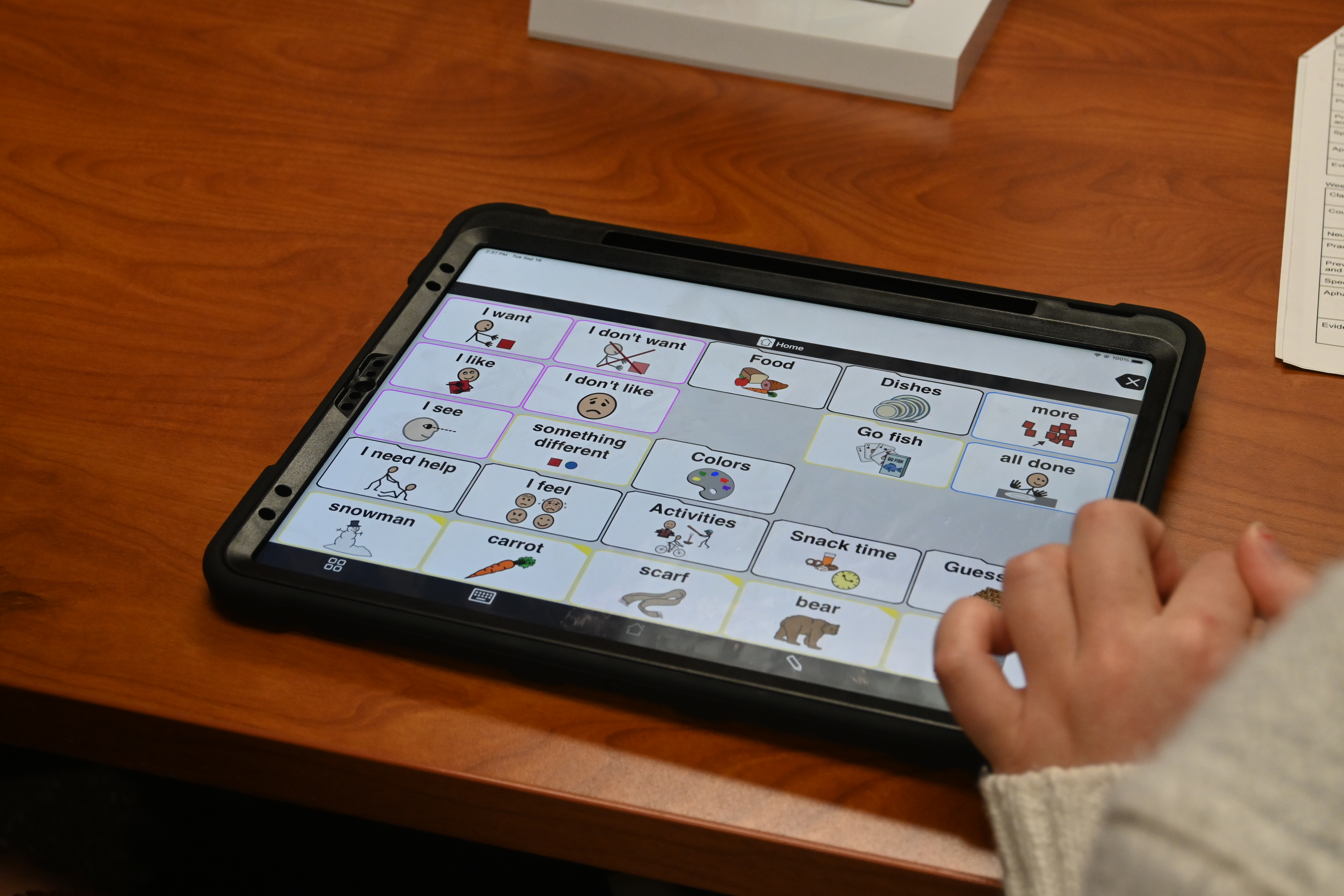
Modern speech therapy includes a variety of tools and techniques designed to meet the needs of each individual. For those who have difficulty speaking verbally, SLPs may introduce augmentative and alternative communication (AAC) systems. These can include communication boards, tablets, or specialized devices that allow users to express their thoughts and needs. By providing alternative methods of communication, these tools help individuals gain greater independence and confidence in social settings.
The signs and symptoms of cerebral palsy can vary greatly from person to person. Some individuals may experience mild difficulties with balance and coordination, while others may have significant challenges with movement, muscle control, and daily activities.
Although cerebral palsy affects muscle control and coordination, it is important to understand that the condition itself does not worsen over time. According to the Mayo Clinic, the symptoms may change as a person grows, but the original brain injury does not progress.
Common symptoms include stiff or floppy muscles, poor coordination, tremors, involuntary movements, and difficulty walking. Some people may walk on their toes, while others may require mobility devices such as walkers or wheelchairs. The condition can affect one side of the body, both sides, or specific limbs, depending on the location of the brain injury.

Cerebral palsy is often caused by factors that affect brain development before birth. These factors can include infections during pregnancy, genetic changes, lack of oxygen during delivery, premature birth, or low birth weight. While many people assume cerebral palsy only affects movement, the condition can also be associated with challenges such as vision or hearing impairments, intellectual disabilities, seizures, and issues with speech and communication. As a result, treatment often involves working as a team to support individuals with varying needs.
While there is currently no cure for cerebral palsy, many treatments can help improve quality of life. Physical therapy, occupational therapy, speech therapy, medications, and assistive technology can all support individuals in reaching their full potential. With early intervention and proactive support, many people with cerebral palsy attend school, build careers, develop relationships, and actively participate in their communities.
Understanding the condition helps create a more inclusive society where people are recognized not for their limitations, but for their abilities and achievements.
SLI offers assessments and individualized treatment plans that can help individuals with cerebral palsy improve their communication and swallowing function.
For more information on SLI’s services or to schedule an appointment, call 215.780.3150.