How Speech Therapy Helps After Stroke or Brain Injury
A stroke or traumatic brain injury can change a person’s ability to communicate, think, eat and engage in everyday life in an instant.
At the Speech-Language Institute (SLI) of Drexel University in Elkins Park, Pennsylvania, speech-language pathologists (SLPs) often work with individuals who have experienced strokes, traumatic brain injuries, or other neurological disorders that affect speech, language, cognition, and swallowing. While therapy can lead to meaningful improvements, recovery is often gradual, and some impairments persisting despite ongoing intervention.
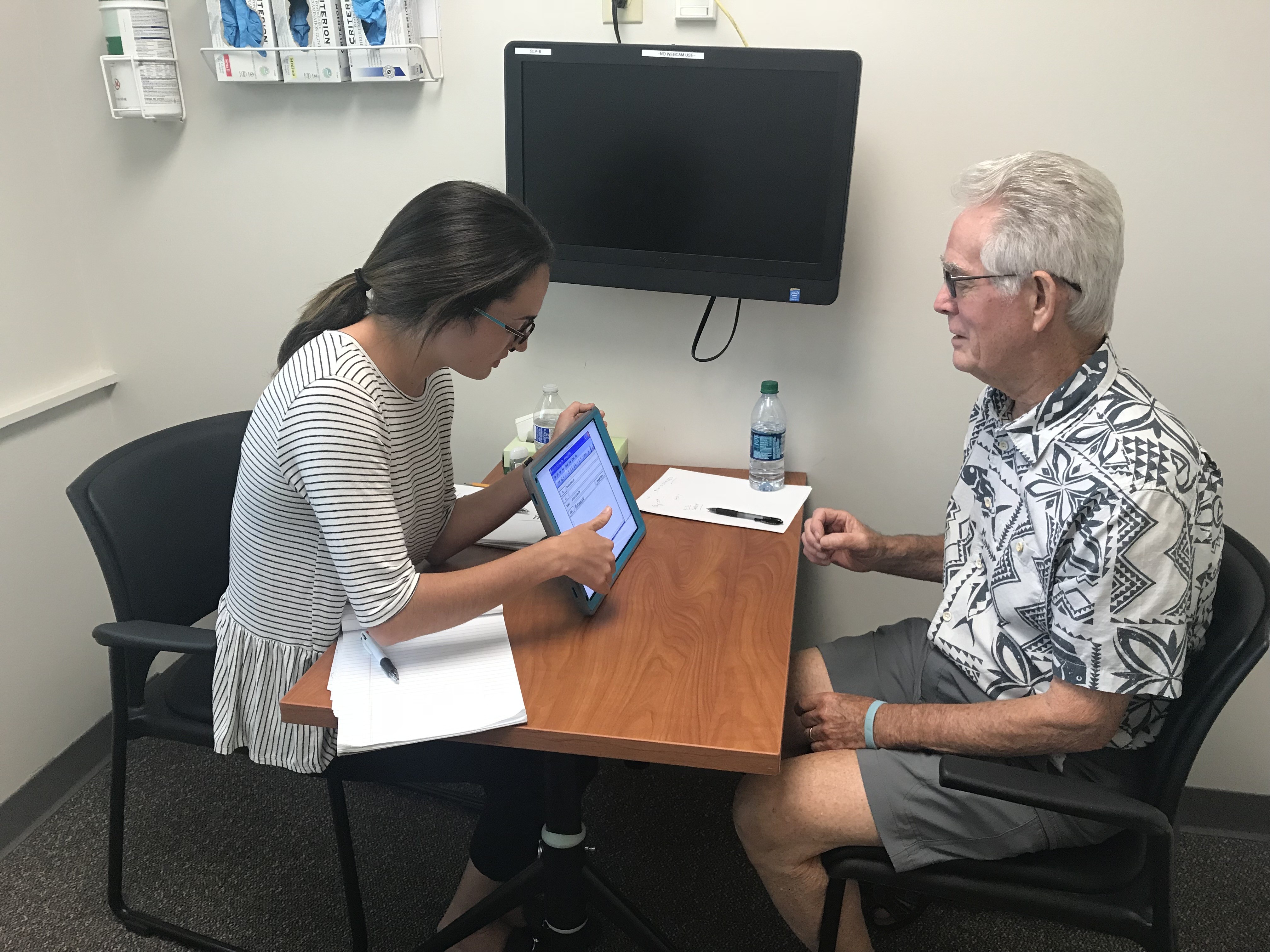 To support functional communication and safe swallowing during rehabilitation, SLPs tend to incorporate compensatory strategies into treatment. Compensatory strategies are techniques that enable individuals to complete a task using alternative methods. Rather than restoring the impaired function itself, these strategies help individuals focus on preserved abilities or modify their environment to achieve successful outcomes.
"Working with one of my clients in the Speech-Language Institute (SLI) has been a profound lesson in the power of meeting a client exactly where they are,” said Mia Mars, a Master of Science in Speech-Language Pathology student at Drexel University, Elkins Park campus. “Given the severity of his combined aphasia and apraxia, rather than solely chasing restoration, we’ve leaned into the use of compensatory strategies as a bridge to help him regain his autonomy. Seeing the frustration lift from his face when he successfully uses a technique to communicate his thoughts or navigate a task is exactly why I chose this path.”
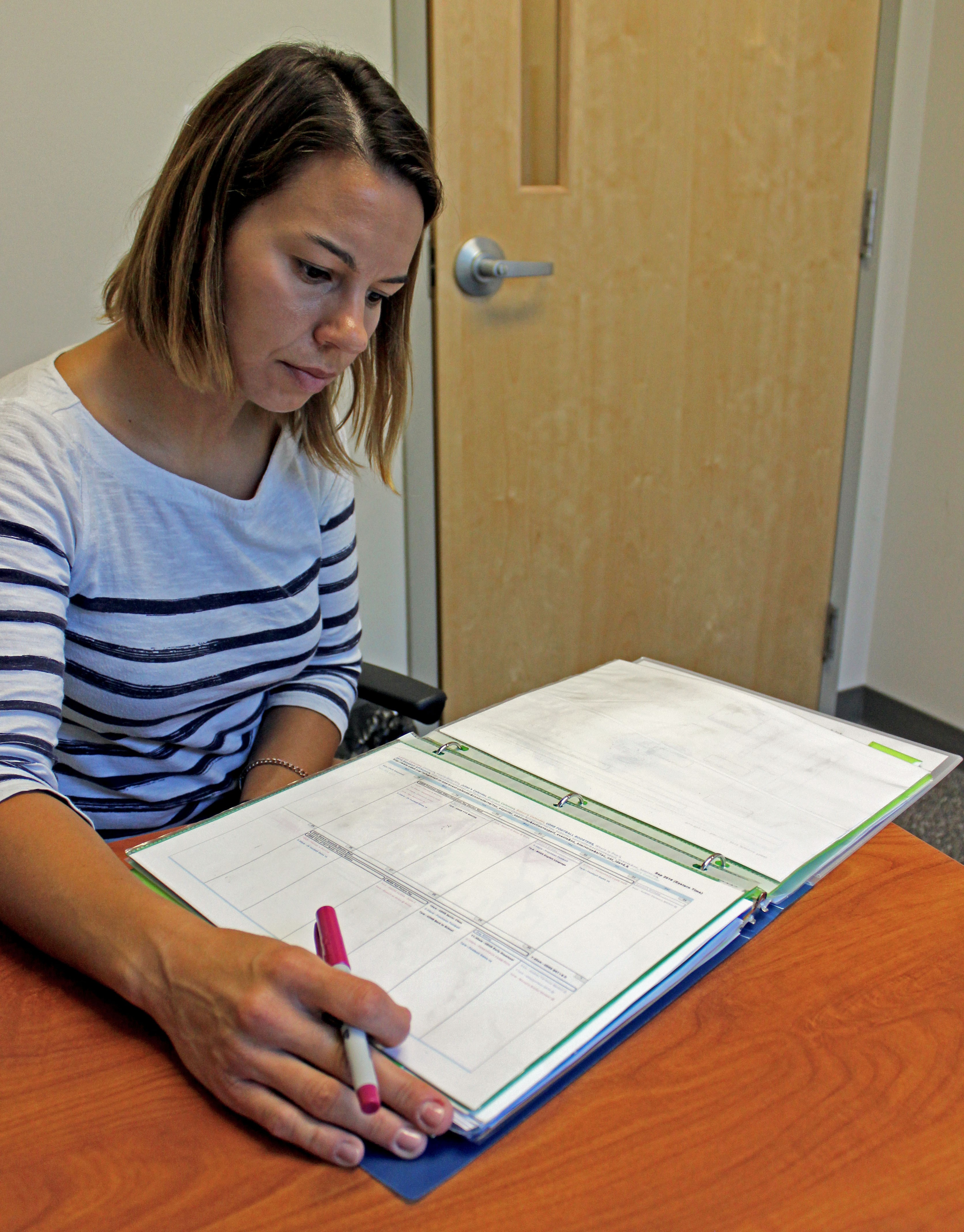 In SLP, compensatory strategies are commonly used for individuals with aphasia (a neurological communication disorder caused by damage to the brain’s language centers), dysarthria (a motor speech disorder), cognitive-communication disorders (caused by impaired brain functions), and dysphagia (swallowing disorder). For example, a person with aphasia who experiences word-finding difficulties may rely on gestures, writing, pictures, or script training to convey their thoughts. On the other hand, a person with dysarthria – a motor speech disorder characterized by weakened speech musculature – may improve intelligibility by reducing their rate of speech or using a communication device (i.e., an Augmentative and Alternative Communication system). Individuals with cognitive-communication deficits, such as memory or attention deficits, may benefit from external memory aids. These aids may include calendars, written reminders, or phone alarms to support daily functioning and communication.
Compensatory strategies also play a significant role in dysphagia treatment to improve swallowing safety and reduce the risk of aspiration (accidently breathing food, liquid or foreign objects into the airway or lungs). SLPs may recommend techniques, such as taking smaller bites, alternating solids with liquids, tucking the chin while swallowing, or changing food textures. These approaches enhance functional swallowing even when the underlying physiology has not fully recovered.
Compensatory strategies allow speech-language pathology clients to participate more effectively in meaningful communication and daily activities while neurological recovery continues. These strategies promote independence, improve safety, reduce frustration, and support overall quality of life.
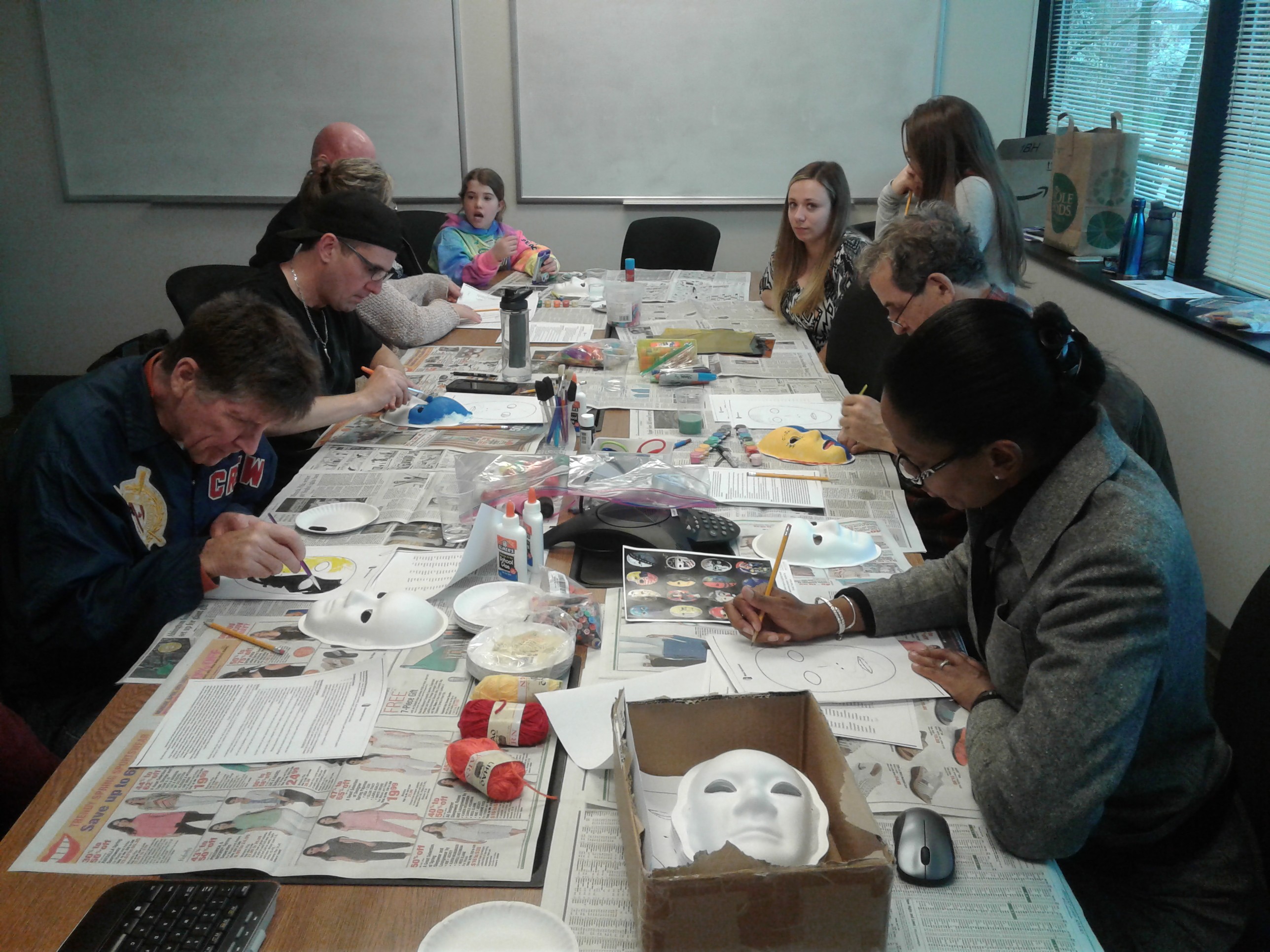 As a result, compensatory strategies remain an important part of evidence-based practice in SLP clinical facilities such as SLI. These strategies allow clinicians to maximize functional outcomes and maintain client engagement in everyday activities while working toward long-term rehabilitation goals.
“It’s a humbling reminder that while recovery is the goal, these compensatory approaches are truly what give my clients their life and confidence back in the here and now," said Mars.
If you or a loved one is experiencing speech, language, cognitive or swallowing difficulties following a stroke, traumatic brain injury, or other neurological condition, the Speech-Language Institute (SLI) is here to help. Call 215.780.3150 to schedule an appointment for a comprehensive evaluation and learn about personalized treatment options.