The Eye Institute Specialist Helps Shape Future Treatment for Lazy Eye (Amblyopia)
Primary eye care providers looking for an evidence-based tool to treat amblyopia now have a road map. And a pediatric eye doctor at from The Eye Institute (TEI) of Drexel University helped develop the research that made the tool possible.
Dr. Stanley Hatch, chief of the Pediatric/Binocular Vision Services at TEI, was one of a group of 22 pediatric eye disease group investigators participating in more than 20 randomized clinical trials over a nearly four-year period to develop an “evidence-based decision tree” for treating amblyopia, commonly known as “lazy eye.”
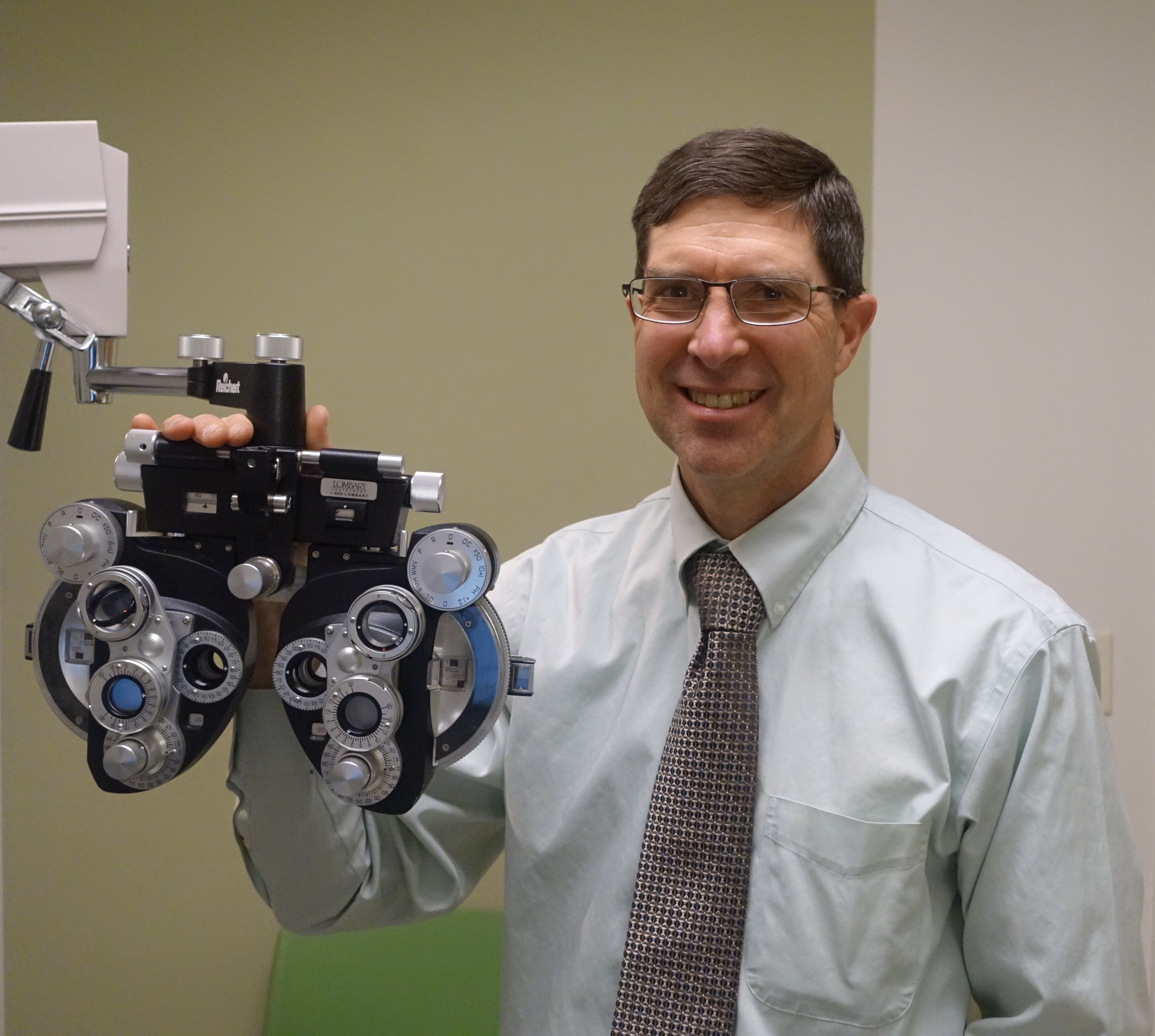 The research has been published in JAMA Ophthalmology, a monthly peer-reviewed medical journal covering aspects of ophthalmology, and the information is now available on a free app called Amblyopia Navigator Decision-Support Instrument (ANDI), so primary eye care doctors can utilize the information.
To help eye doctors make informed treatment decisions for lazy eye, a panel of experts from the Pediatric Eye Disease Investigator Group (PEDIG) created the Amblyopia Navigator, a free online tool based on the best available research and expert guidance.
According to Dr. Hatch, amblyopia is the leading cause of monocular decreased best-corrected vision in children. Early detection and intervention are key for optimal treatment outcomes; however, limited access to pediatric eye specialists may hinder timely care and affect visual outcomes.
“Given the shortage of specialty-trained pediatric eye care professionals in the U.S., there is a need to support comprehensive eye care professionals who are willing to examine and treat children with amblyopia,” said Dr. Hatch.
He added that because amblyopia is common and typically responds well to treatment, decision support tools to optimize its management could increase access to eye care for children by facilitating earlier detection, enabling broader participation of primary eye care professionals, and ultimately improving visual outcomes.
“Through this work and the development of the forthcoming free, web-based application version, Amblyopia Navigator Decision-Support Instrument, the Pediatric Eye Disease Investigator Group has created decision support tools designed to assist optometrists and ophthalmologists in the care of children aged three to 17 years with amblyopia,” said Dr. Hatch. “We’re hoping a lot of primary care doctors who have been reluctant to treat children in the past will be willing to do that now,” he said.