How Albinism Affects the Eyes: International Albinism Awareness Day June 2026
International Albinism Awareness Day, celebrated annually on June 13, aims to bring awareness to the condition itself and the challenges those with albinism face.
Albinism is a term for a group of rare genetic conditions that affects the amount of pigment produced in the body, most often affecting the eyes, skin, and hair, according to the Mayo Clinic.
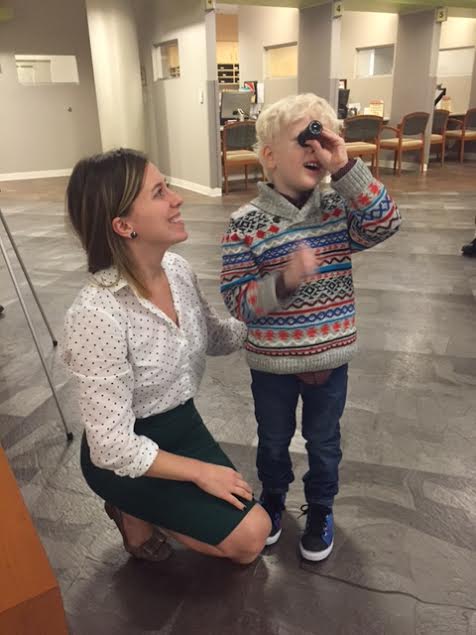 "One of the most rewarding parts of my work as a low vision provider is partnering with individuals with albinism to help them achieve their visual goals,” said Dr. Erin Kenny, chief of the William Feinbloom Low Vision Rehabilitation Center housed at The Eye Institute (TEI). “Through personalized glasses, devices, technology, and creative problem-solving, we find solutions that fit each person's unique needs and aspirations. No two patients are alike, and I love helping each one reach their full potential.”
According to the Mayo Clinic, there are two main types of albinism: oculocutaneous albinism, the most common type which affects the hair, skin, and eyes, and ocular albinism, which mainly only affects the eyes. The condition reduces or completely eliminates the production of melanin, the protein responsible for the pigmentation of the body. People with oculocutaneous albinism tend to have very light skin and hair, and the colored part of their eye, called the iris, often appears very light blue, gray, purple, or even red. Features vary greatly between individuals and depend on the level of melanin production in their body.
The eye-related effects of albinism can be visually debilitating, and many of those with albinism are classified as legally blind. Common eye problems associated with albinism are nystagmus, an uncontrollable shaking of the eyes; foveal and optic nerve hypoplasia, the abnormal development of important structures at the back of the eye; strabismus, also known as an eye turn, and severe light sensitivity. The abnormal development of the visual system leads to a reduction in visual acuity, decreased contrast sensitivity, and trouble with depth perception. These visual challenges often make it difficult for patients to attend school, drive, work, or care for others. People with albinism also tend to wear sunglasses frequently, even when they are indoors; the lack of pigment in their eyes allows for excessive light to enter the eye, making it difficult to handle certain lightings.
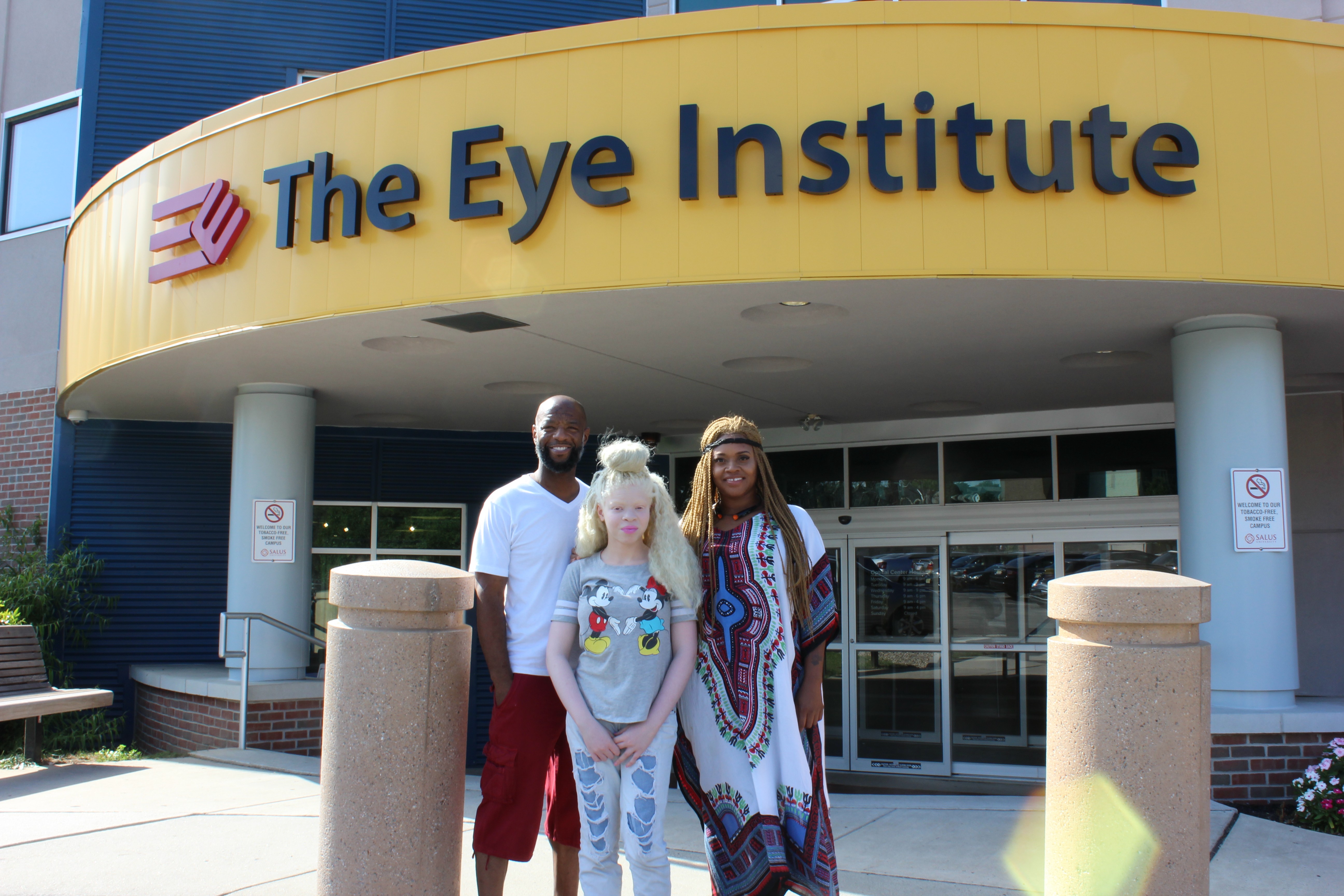 Patients often need low vision rehabilitation services, such as those offered at the William Feinbloom Low Vision Rehabilitation Center, housed at TEI. There are a variety of supportive low vision rehabilitation therapies and assistive devices that can help patients with albinism with their activities of daily living. Although there is currently no cure of the condition, low vision services can assist patients in maximizing their visual potential and achieving their goals.
This International Albinism Awareness Day, TEI and the William Feinbloom Low Vision Rehab Center aim to promote awareness for our low vision rehabilitation services that can help patients with albinism. If you are interested in learning more, call to schedule an appointment today at 215.276.6060.