Effective Treatment for Voice, Swallowing Disorders at the Speech-Language Institute
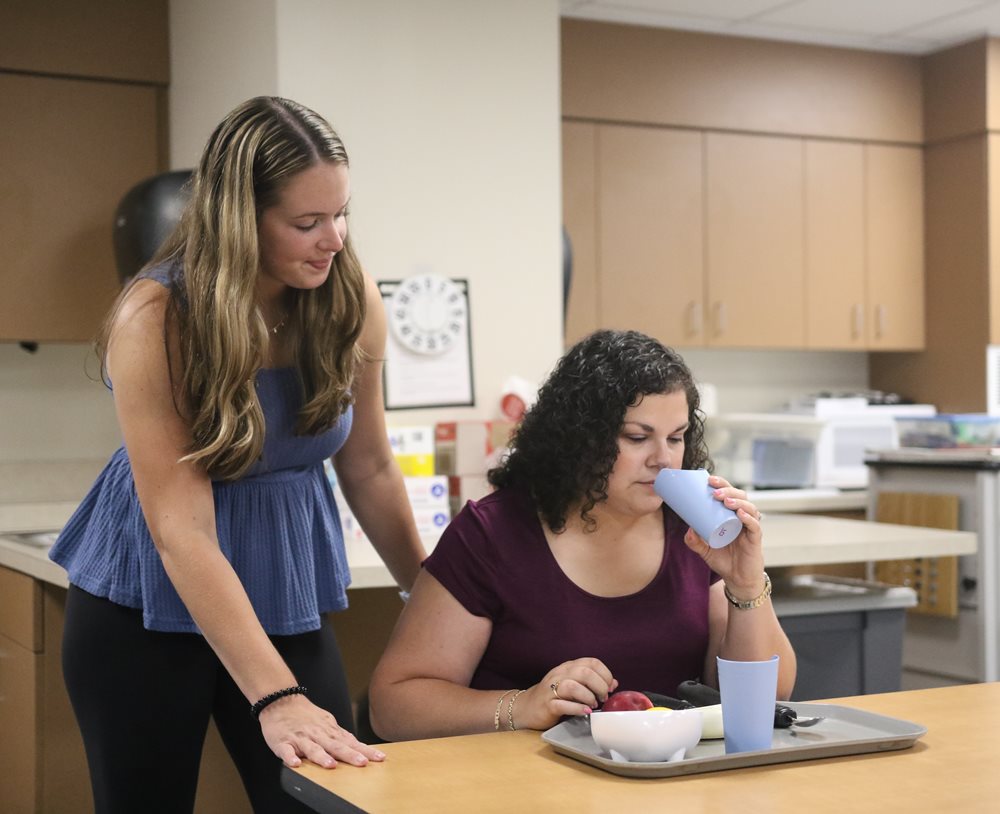
Speech-language pathologists (SLPs) frequently evaluate and treat disorders affecting both voice and swallowing. Despite shared structures, including the larynx, respiratory system, and pharynx, between voice and swallowing, intervention targets different primary goals through distinct therapeutic approaches.
Voice Therapy
Voice therapy focuses on improving vocal production and efficiency, while swallowing therapy aims to ensure safe nutrition and efficient airway protection. At the Speech-Language Institute (SLI) of Drexel University in Elkins Park, Pennsylvania, SLPs play a critical role in the assessment and treatment of these disorders through evidence-based interventions – phonation exercises (vocal function exercises designed to strengthen vocal cords and improve breath support) and instrumental evaluations such as Fiberoptic Endoscopic Evaluation of Swallowing (FEES) and Modified Barium Swallows, which are given off clinical site.
 According to the American Speech-Language-Hearing Association, phonation occurs when airflow from the lungs causes the vocal folds to vibrate, generating sound that is shaped into speech. These services collectively support improved airway protection, vocal efficiency, and overall quality of life.
“As a student clinician in the SLI, I've learned about the importance of voice and swallowing therapies,” said a master of science student in the Drexel SLP program, Francesca Friedman. “Although technically being two separate entities, both voice and swallowing therapy work together to support clients in basic, but extremely important aspects of everyday life, such as speaking, eating, and being understood.”
Voice therapy is a specialized intervention designed to improve vocal quality, endurance, loudness, and efficiency. This type of therapy commonly serves individuals with vocal fold weakness, vocal misuse, neurological conditions, or structural changes affecting phonation. Based on its primary goals, voice therapy aims to improve vocal fold closure, increase vocal strength and endurance, reduce vocal strain or tension, enhance breath support for speech, and promote efficient voice production.
Voice therapy helps people learn how to better coordinate breathing, voice production, and vocal quality so their voice sounds stronger, healthier, and is easier to use without strain.
As mentioned, a specific component of voice therapy includes phonation exercises. These structured therapeutic tasks are designed to improve vocal fold function, respiratory support, and laryngeal coordination. In doing so, these exercises strengthen the muscles involved in voice and enhance airway closure during swallowing.
Swallowing Therapy
Swallowing therapy also known as dysphagia therapy, focuses on improving the safety and efficiency of swallowing. This focus area aims to prevent aspiration - accidentally inhaling food, liquids, or saliva into the airway and lungs instead of swallowing them down the esophagus - and support nutrition and hydration.
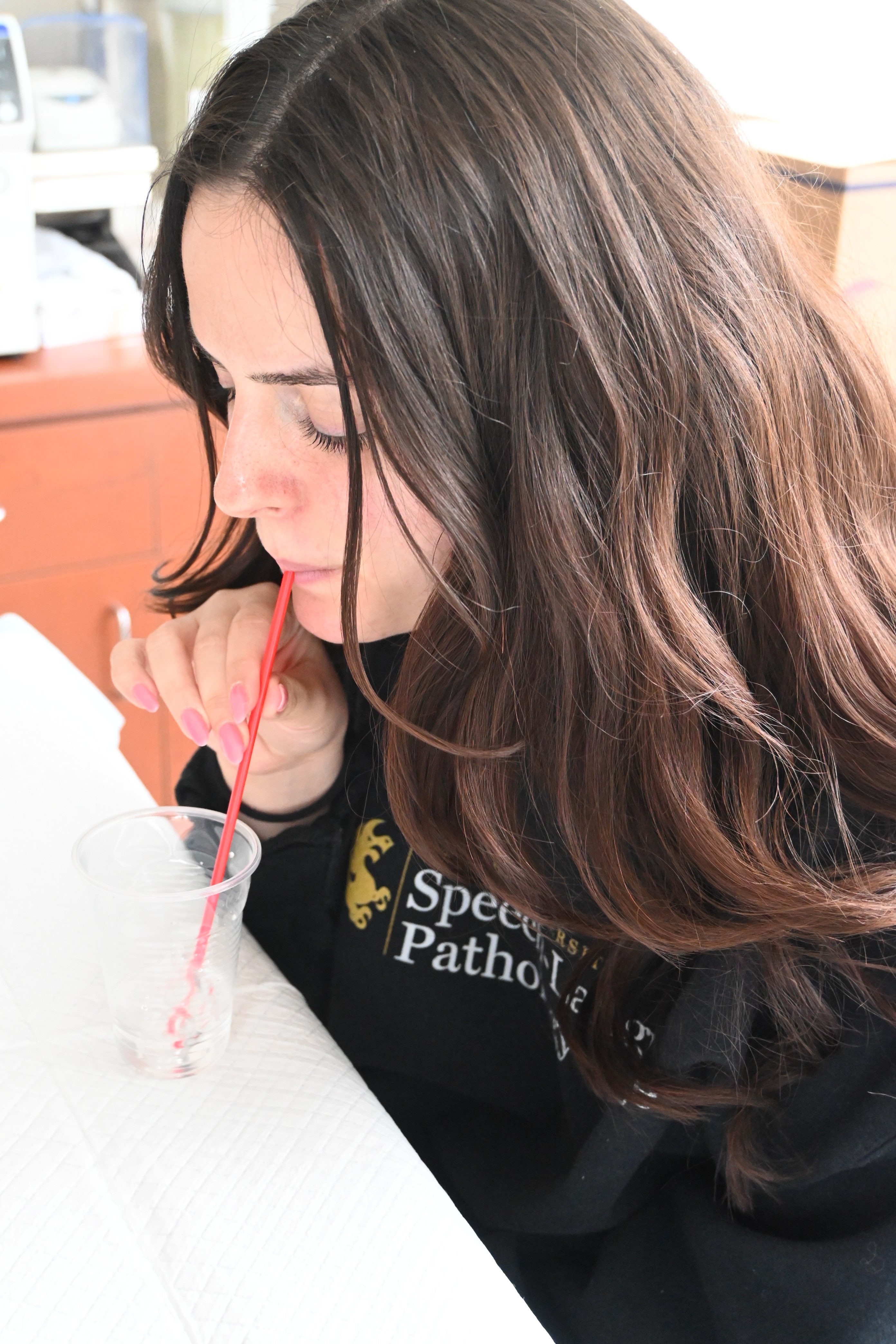 Swallowing is a complex process requiring precise coordination among the oral cavity, pharynx, larynx, and esophagus. Impairments in this system may result from neurological disorders, age-related changes, surgical interventions, or muscular weakness, leading to difficulty managing food or liquids safely.
Several primary goals exist for swallowing therapy. These include maintaining airway protection, preventing aspiration, improving how food and liquid move through the mouth and throat, and helping individuals eat and drink safely and on their own.
Before therapy begins, a comprehensive swallowing evaluation is conducted to determine the nature and severity of dysphagia. This assessment may include a clinical bedside swallowing evaluation, during which a SLP examines oral motor function, vocal quality, cough strength, and swallowing performance with a variety of foods and liquids. Instrumental tests are often used to take a closer look at how swallowing works in the body. A Videofluoroscopic Swallow Study (VFSS) uses real-time X-ray imaging to visualize bolus movement (a small, rounded mass of food that has been chewed and mixed with saliva, ready to be swallowed) throughout the swallow; whereas, FEES allows direct visualization of laryngeal and pharyngeal structures using a flexible endoscope.
During a FEES examination, a small flexible camera called an endoscope, or “scope,” gently passes through the patient’s nasal passage to provide direct visualization of the throat structures involved in swallowing. The thin, flexible endoscope is equipped with a light source and camera that transmits real-time images to a monitor, enabling clinicians to assess airway protection and identify penetration, aspiration, and pharyngeal residue. This assessment allows for detailed evaluation of swallowing functions without radiation exposure.
Together, voice therapy and swallowing therapy play essential roles in the rehabilitation of individuals with communication and feeding disorders. While voice therapy focuses on improving phonation, vocal efficiency, and overall communication through structured therapeutic exercises, swallowing therapy prioritizes airway protection and safe nutrition through targeted interventions and instrumental assessment. By improving how the voice box (larynx) works for both speaking and protecting the airway, these therapies help the body work more smoothly, make swallowing and breathing safer, and support greater independence in daily activities.
If you are experiencing any issues with swallowing, schedule an appointment at the SLI by calling 215.780.3150.