May Is All About Communication: Celebrate Speech, Language and Hearing
As we enter May, we take time to recognize National Speech-Language-Hearing Month, formerly known as Better Hearing and Speech Month.
The month is dedicated to raising awareness of communication disorders and highlighting the professionals who support the assessment and the treatment of such disorders. Beyond highlighting the importance of speech, language, and hearing, this month also raises awareness of communication disorders through digital advocacy, helping to support early prevention efforts.
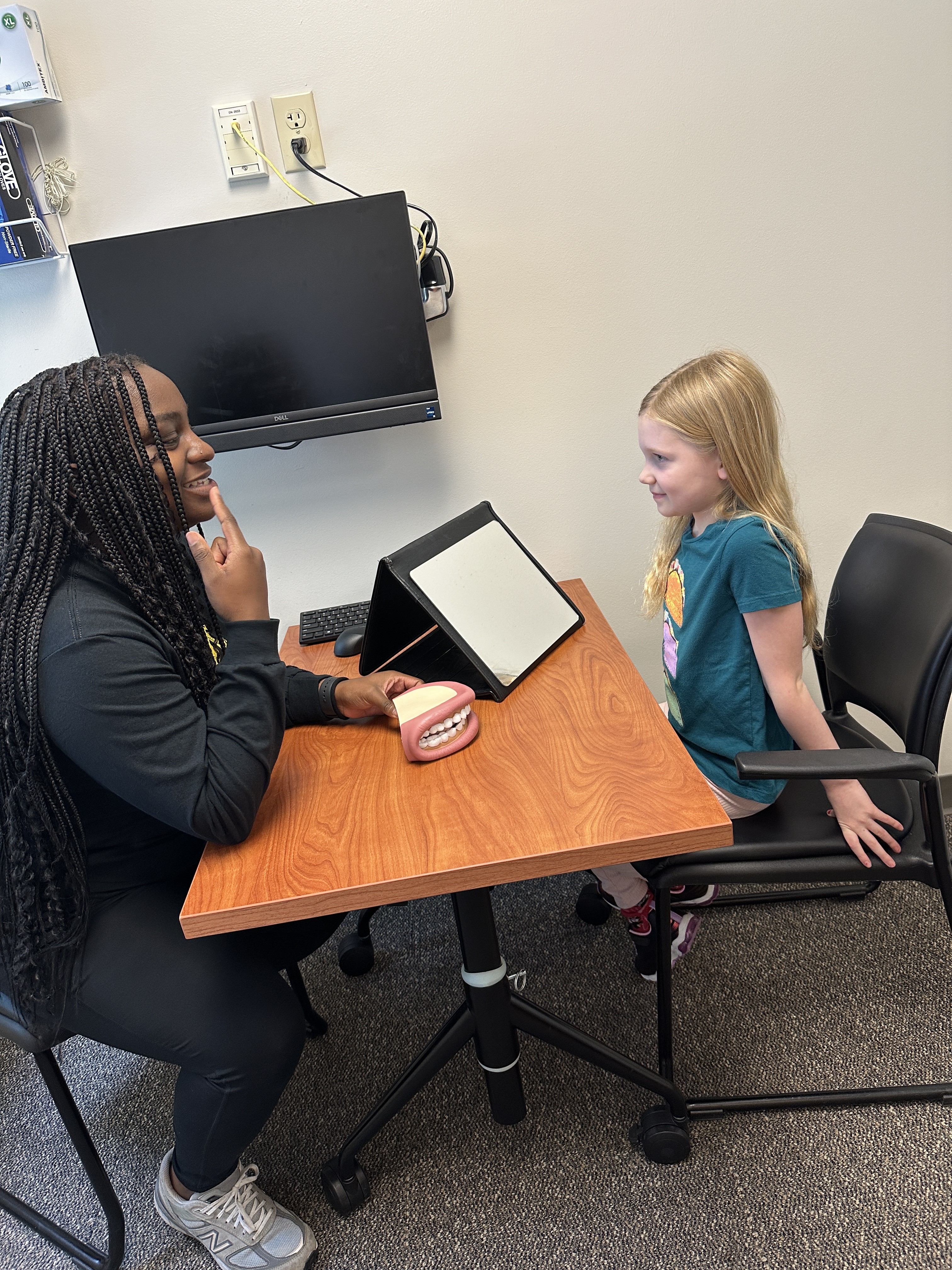 National Speech-Language-Hearing Month is pivotal to promote awareness of communication for all individuals. “Everyone deserves a voice to express their own thoughts effectively and communicate their understanding of others,” said Francesca Friedman, who is a Master of Science student in the Speech-Language Pathology program at Drexel University in Elkins Park, Pennsylvania, who receives clinical hands-on experience at the Speech-Language Institute (SLI). “This month prioritizes the communicative needs of all persons for successful speech, language, and hearing, emphasizing the importance of recognition in May and continued awareness and support throughout the entire year.”
The term “communication disorders” refers to impairments in an individual’s ability to receive, process, and express verbal information. These disorders are typically categorized into three categories – speech, language, or hearing disorders – though many individuals may experience overlapping difficulties across all three areas.
Speech disorders involve a plethora of difficulties beyond misarticulation or disfluency. These disorders can present as irregular speech patterns with disrupted rhythm or repetition of sounds or syllables. In contrast, language disorders affect the comprehension and use of both spoken and written language, including some challenges with understanding sounds, words, and sentence structures.
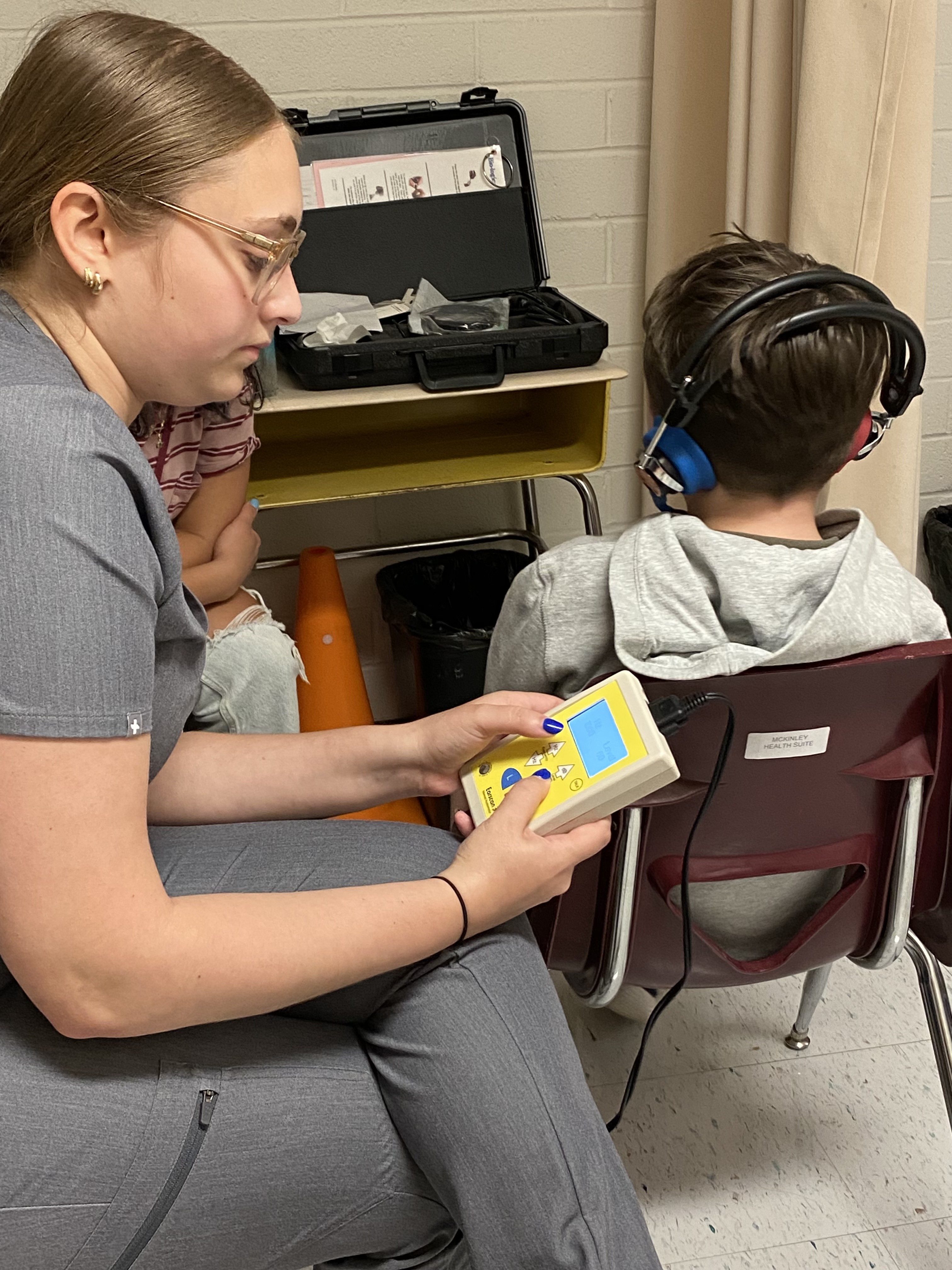 Alternatively, hearing disorders result from impairments in the auditory system due to factors such as injury, illness, or genetic conditions, which can cause varying degrees of hearing loss such as mild hearing loss or deafness to name a few. These conditions are typically assessed through measures of sound detection, discrimination, and recognition. Across these three concerns, severity levels can range from mild to profound and may change over time.
To participate in National Speech-Language-Hearing Month, make sure to use social media or encourage your organization or people you know to share educational content and raise awareness to the public at large. Simple actions, such as posting or reposting educational videos and graphics, can help inform others about communication and hearing disorders. Digital campaigns led by communities of speech-language pathologists and audiologists can also include posts of professionals wearing blue to show support and increase visibility.
Overall, these efforts can provide insight into common signs and available resources and introduce a new audience to hearing health and communication disorders.
Contact experts at the Speech-Language Institute (SLI) of Drexel University at 215.780.3150 or the Pennsylvania Ear Institute (PEI) of Drexel University at 215.780.3180 to make an appointment. Both of these facilities are located in Elkins Park.