Itchy Eyes? Allergies May be Why
Why do eye doctors at The Eye Institute (TEI) of Drexel University care about allergies and asthma? Because both can affect the eyes.
May is National Asthma and Allergy Awareness Month. Ocular allergies can cause itching, tearing, burning, and swelling of the eyes. Severe eye allergies and frequent eye rubbing can damage the cornea and may lead to more serious conditions, such as keratoconus, an eye condition that can cause significant vision loss due to thinning and outward bulging of the cornea.
Asthma can also affect the eyes: those with asthma are more prone to suffering from dry eye, and corticosteroids, a common long-term maintenance treatment for asthma, can lead to ocular complications such as increased eye pressure and cataracts. Eye doctors at TEI want to help spread awareness about both of these conditions and the effects they can have on the eyes.
According to the Allergy and Asthma Network, in the United States, an estimated 25 million people live with asthma and 50 million live with allergies. Asthma is a common inflammatory condition of the airway that causes symptoms such as difficulty breathing, wheezing, and chest tightness.
 Allergies are a broad term to describe the signs and symptoms related to a heightened immune response secondary to exposure to a triggering substance. Triggers, also known as allergens, can range from pollen and dust in the environment to food and chemicals. Many allergy and asthma triggers are the same, and each condition can make the other worse. According to the Mayo Clinic, many who suffer from allergies also commonly have signs or symptoms of asthma. This is known as a condition called “allergic asthma,” in which the same triggers that cause an allergic reaction in a patient also cause asthma symptoms.
Although some complications of asthma and allergies can be severe, serious complications are luckily few and far between. The most common complications of either are usually very mild and treatable. Allergic conjunctivitis, an allergic reaction affecting the eye, is one of these common complications and one that our doctors at TEI encounter often.
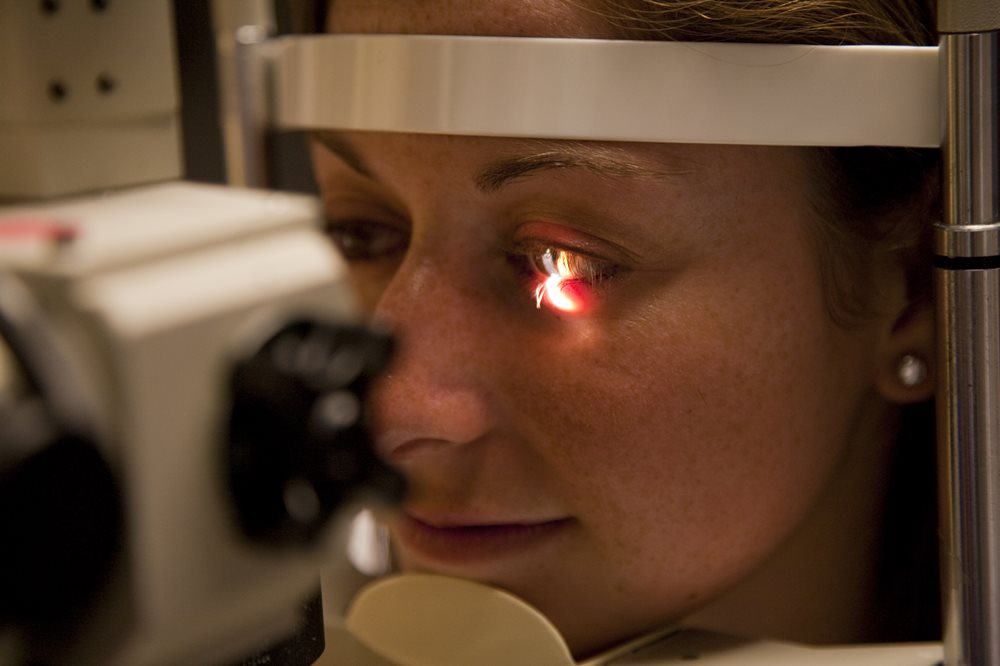 Symptoms of allergic conjunctivitis include itchy eyes, excessive tearing, burning sensation, a feeling of something in the eye, redness, or swelling of the eyelids. Common triggers for allergies include pollen, dust, grass, and pet dander, and symptoms are often worse during the spring months.
“Allergies and asthma don’t just affect breathing—they can significantly impact eye health,” said Dr. Jeffrey L. Weaver, interim executive director of TEI. “Early recognition and avoiding eye rubbing are key to protecting vision.”
Eye doctors at TEI urge patients to always avoid rubbing and itching their eyes to prevent keratoconus and other eye injuries. Although many ocular allergy medications are available over-the-counter, always ensure you consult your eye doctor prior to using any medications.
Similarly, minor complications of asthma can affect the eyes as well. Nasal steroid sprays or inhalers are often used as maintenance therapy for asthma, but their long-term use can increase the risk for high intraocular pressure and certain types of cataracts. Since patients with asthma are also more likely to experience dry eye symptoms, it’s important to receive annual eye examinations to detect any ocular complications of asthma or their treatment regimen.
This Allergy and Asthma Awareness Month, TEI is raising awareness about both conditions and their effects on eye health. If you are experiencing any symptoms of allergic conjunctivitis, call TEI at 215.276.6111 for safe and effective treatment options.