How the Speech-Language Institute Can Help You Manage Stuttering
 Stuttering is a communication difference characterized by disruptions in the flow of speech, including repetitions, prolongations, and blocks, according to the National Institutes of Health (NHI). These symptoms may be accompanied by physical tension, avoidance behaviors, or emotional reactions related to speaking situations.
Although stuttering is not considered a condition that can be permanently “cured,” Speech-Language Pathologists (SLPs) and experts at the Speech-Language Institute (SLI) of Drexel University in Elkins Park, Pennsylvania play an important role in helping individuals manage their speech challenges and speak more confidently using effective communication techniques.
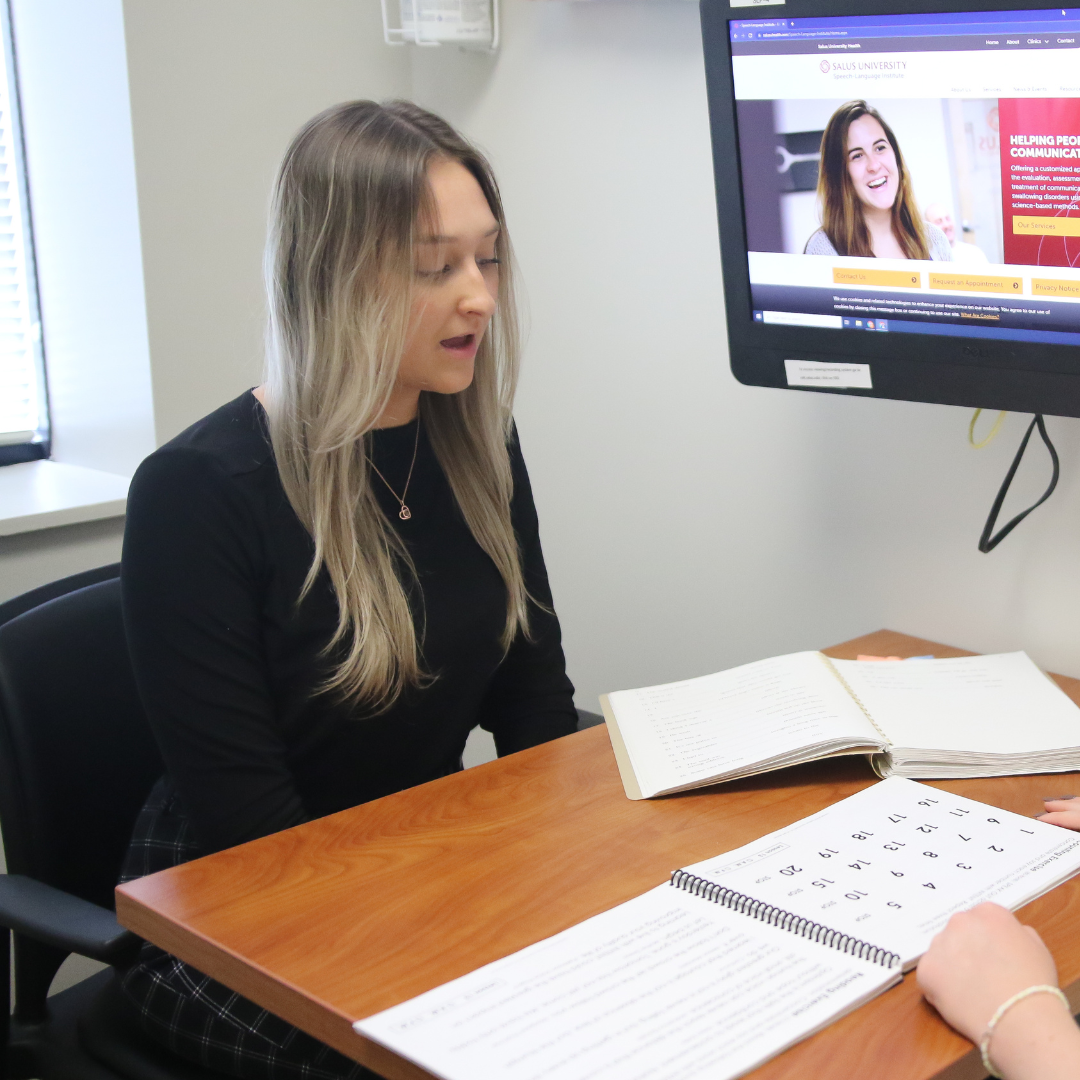 National Stuttering Awareness Week runs from May 9 through May 15. Observed annually during the second full week of May, this week brings attention to a speech disorder affecting approximately 80 million people worldwide, according to recent data from the Stuttering Foundation. It focuses on increasing stuttering-related education, reducing bullying, and promoting allyship for both children and adults who stutter.
"Cluttering (fast and irregular bursts of speech) heavily influenced my client's intelligibility and increased his incidence of stuttering,” said Master of Science student in the Speech-Language Pathology (SLP) program at Drexel University, Ruby Murrani, who receives hands-on training at SLI. “In turn, implementation of drill and self-monitoring strategies was utilized to help him slow down and clearly articulate.”
According to Murrani, this included the following practices:
- Over-articulation practice where the client overly pronounced each part of a word
- Breathing techniques where the client focused on regulating his breathing before and during speech
- Stretching (vowels and multi-syllabic words), which helped both with stuttering and slowing down the client’s speech
- Prosody/rhythm practice, like ready poetry, to help manage a steady rhythm as opposed to irregular bursts of fast speech
- Video feedback/novel partners to help generalize the client’s self-monitoring skills
Additionally, sessions focused on counseling to understand how stuttering impacts his everyday life and education in the realms of how these exercises affect speech mechanisms, according to Murrani.
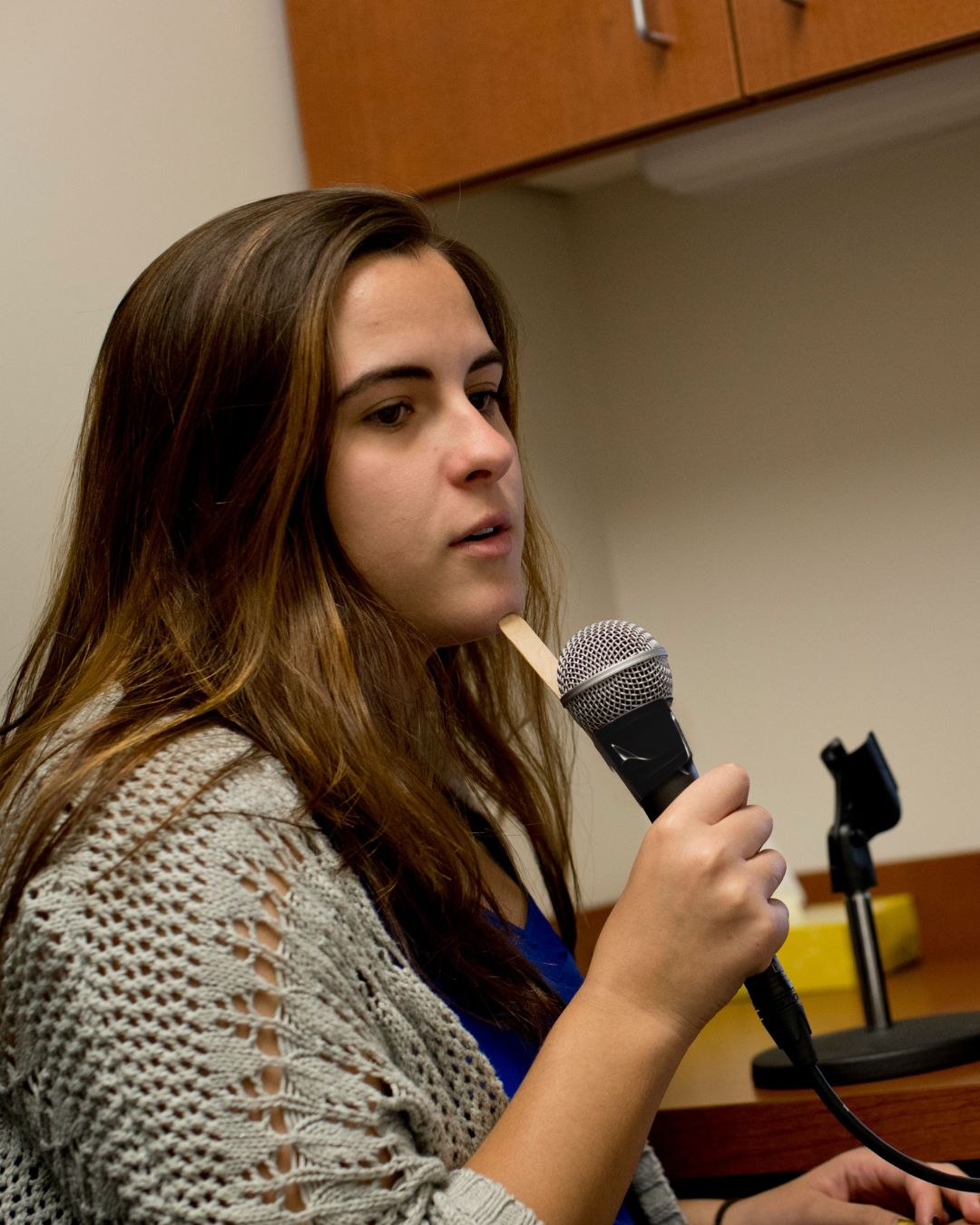 Stuttering is a speech disorder influenced by neurological, genetic, linguistic, and environmental factors. Since stuttering involves differences in speech timing and coordination rather than a simple habit or learned behavior, treatment does not aim to eliminate stuttering entirely. Instead, therapy at SLI and in general focuses on improving communication effectiveness, reducing speaking-related stress, and increasing participation in daily activities.
SLPs help individuals develop more effective, less stressful ways of managing their speech. One approach is through teaching compensatory strategies and techniques that support individuals in navigating moments of stuttering as they occur. These strategies can promote more fluent communication while also reducing physical tension or avoidance behaviors. Although they do not eliminate stuttering, they offer practical tools that help speakers communicate more comfortably and effectively.
Some of the most common compensatory strategies for stuttering include:
- Easy Onset: Speakers begin words gently, reducing abrupt vocal fold tension that can contribute to blocks of speech.
- Slow Rate of Speech: Intentional pacing allows greater coordination between breathing, voicing, and articulation.
- Light Articulatory Contact: Reducing pressure during consonant production helps decrease speech tension.
- Pausing and Phrasing: Strategic pauses promote natural speech rhythm and planning time.
- Voluntary Stuttering: Practicing controlled stuttering can reduce fear and increase a sense of control over speech.
SLPs at SLI provide meaningful support for individuals who stutter through evidence-based strategies and communication tools. While stuttering itself is not considered curable, therapy empowers individuals to manage disfluencies, reduce speaking-related stress, and participate more fully in everyday communication. Through guided practice and supportive intervention, individuals who stutter can develop effective strategies that foster confidence, independence, and successful communication.
Contact the Speech-Language Institute (SLI) at 215.780.3150 to schedule an appointment.