Her Vision Matters: Women’s Eye Health and Safety Month
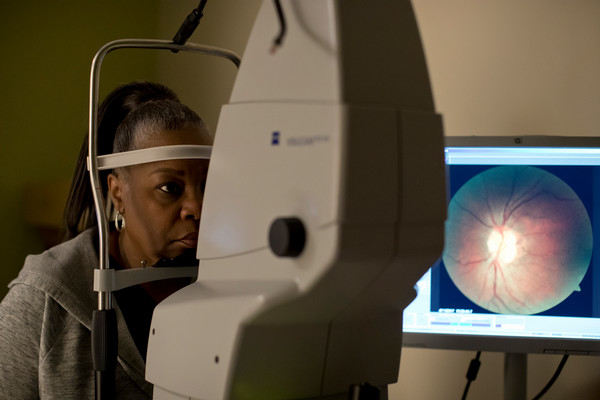
Women's Eye Health and Safety Month is a significant awareness campaign emphasizing how proactive eye care can greatly benefit patients and highlights the special vision needs of women in particular.
This program, which is held every April, seeks to inform people about avoidable vision issues, support early detection of eye disorders, and encourage lifelong eye health practices. Because research indicates women are more likely than men to develop certain eye diseases and vision-related problems, the focus on women is especially important.
Raising awareness
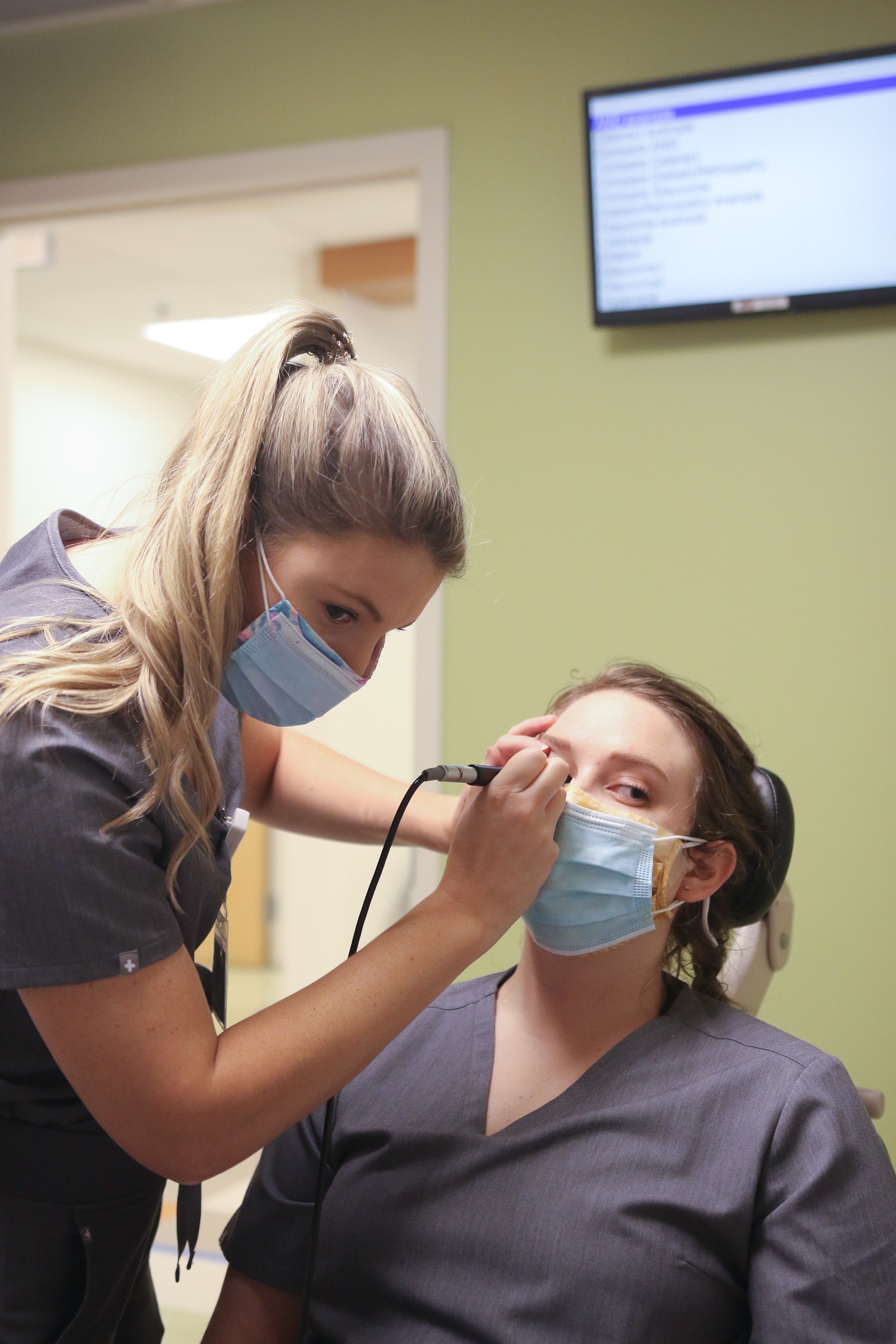 Raising awareness of common eye conditions that disproportionately affect women is one of the main advantages of Women's Eye Health and Safety Month, and one stressed by The Eye Institute of Drexel University. Women are more likely to develop certain eye diseases, such as age-related macular degeneration (AMD), cataracts, and dry eye. The difference may be due in part to women living longer and genetic factors.
According to Dr. Maria Parisi, associate dean, clinical affairs at The Eye Institute and primary care optometrist, vision and eye health can also be impacted by hormonal changes, particularly associated with pregnancy, menopause, and birth control use. The campaign empowers patients to identify early symptoms and seek care immediately by raising awareness of these risks, ultimately avoiding more serious complications.
Preventative Care and Lifestyle Changes
The focus on preventative care is another important focus. Many eye issues take time to manifest and may go undetected until they have a substantial impact on day-to-day activities. Promoting regular, comprehensive eye exams enables eye doctors to identify problems early on, even before symptoms manifest. Early detection can result in better outcomes, a lower chance of vision loss, and more effective treatment. This entails preserving independence, productivity, and general standard of living for each patient.
Additionally, the campaign encourages patients of all ages to learn about eye safety. The campaign also promotes education on eye safety practices, which is helpful for patients of all ages. Women often take on caregiving roles and may be responsible for household tasks, child care, and even certain occupational duties that increase the risk of eye injury. By educating patients on proper eye protection, the safe use of cosmetics, and hygiene practices (such as proper contact lens care), Women’s Eye Health and Safety Month helps reduce preventable eye injuries and infections.
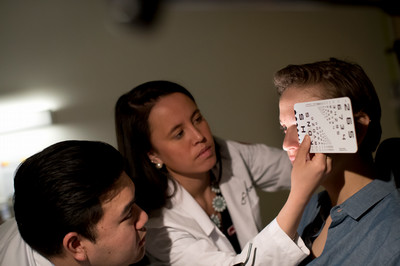 This awareness month also emphasizes how crucial lifestyle choices are to preserving eye health. For instance, nutrition has a big impact on vision. Diets high in antioxidants, omega-3 fatty acids, and leafy greens can help prevent eye disease. Patients may benefit in the long run from encouraging healthy behaviors like giving up smoking, controlling chronic illnesses like diabetes, and shielding their eyes from UV rays. These small but significant changes promote general wellness and help reduce the risk of vision problems.
Women’s Eye Health and Safety Month helps address gaps in access to care. Women often face barriers such as limited awareness, caregiving obligations, or financial limitations, which makes regular eye care difficult. By highlighting available resources and encouraging patients to put their health first, the campaign promotes more equitable care.
Emphasizing awareness, prevention, education, and access contributes to better patient outcomes. It empowers patients to take charge of their eye health, leading to earlier detection, safer practices and healthier lifestyles. This improve the quality of life for women and their communities.
Call The Eye Institute (TEI) at 215.276.6111 to schedule your appointment today.