Growing Understanding: April is Autism Awareness and Acceptance Month
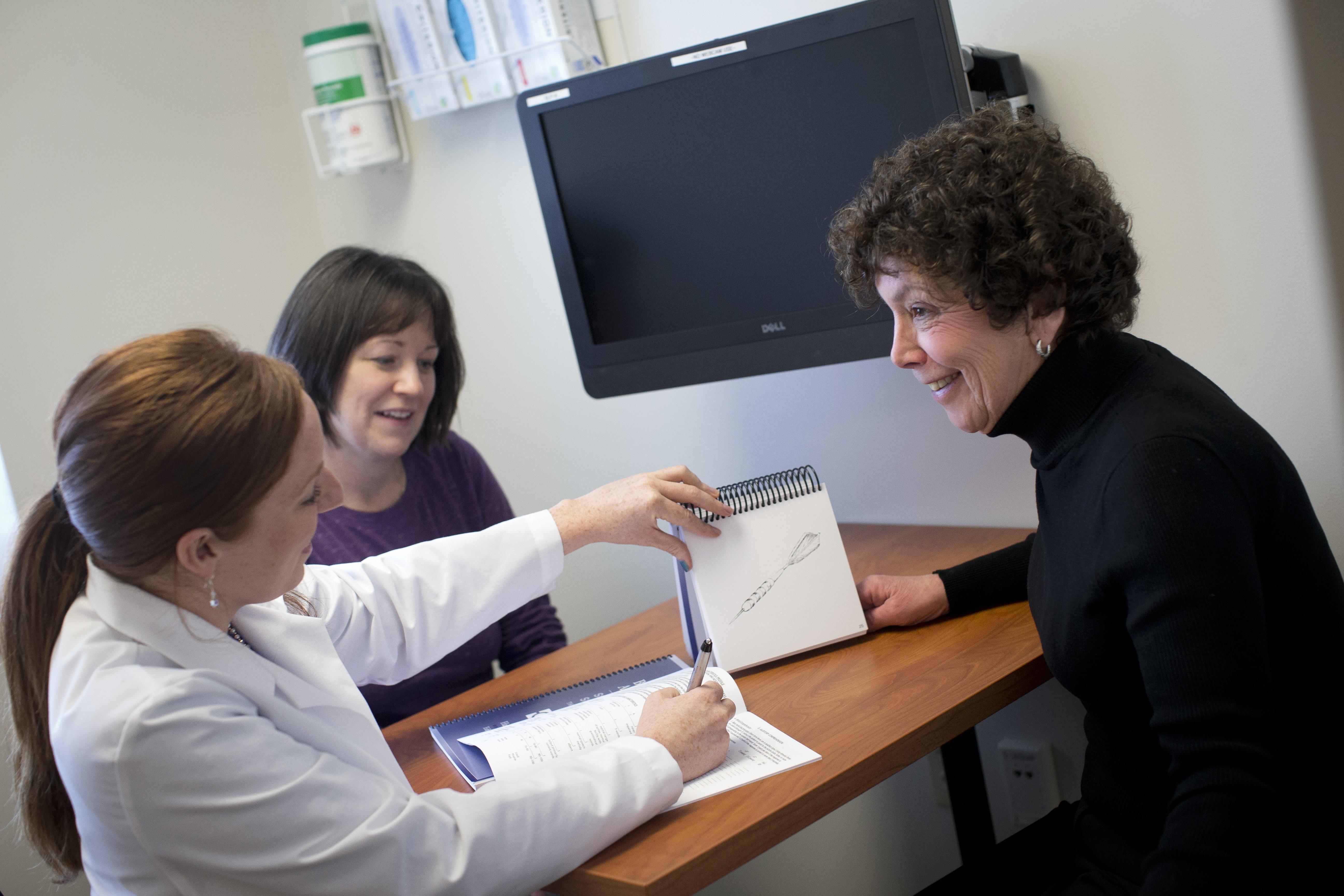
Spring has sprung, and with it comes growth, change and the promise of new perspectives. April arrives in full bloom as Autism Awareness Month, though many within the community are advocating for it to be renamed Autism Acceptance Month.
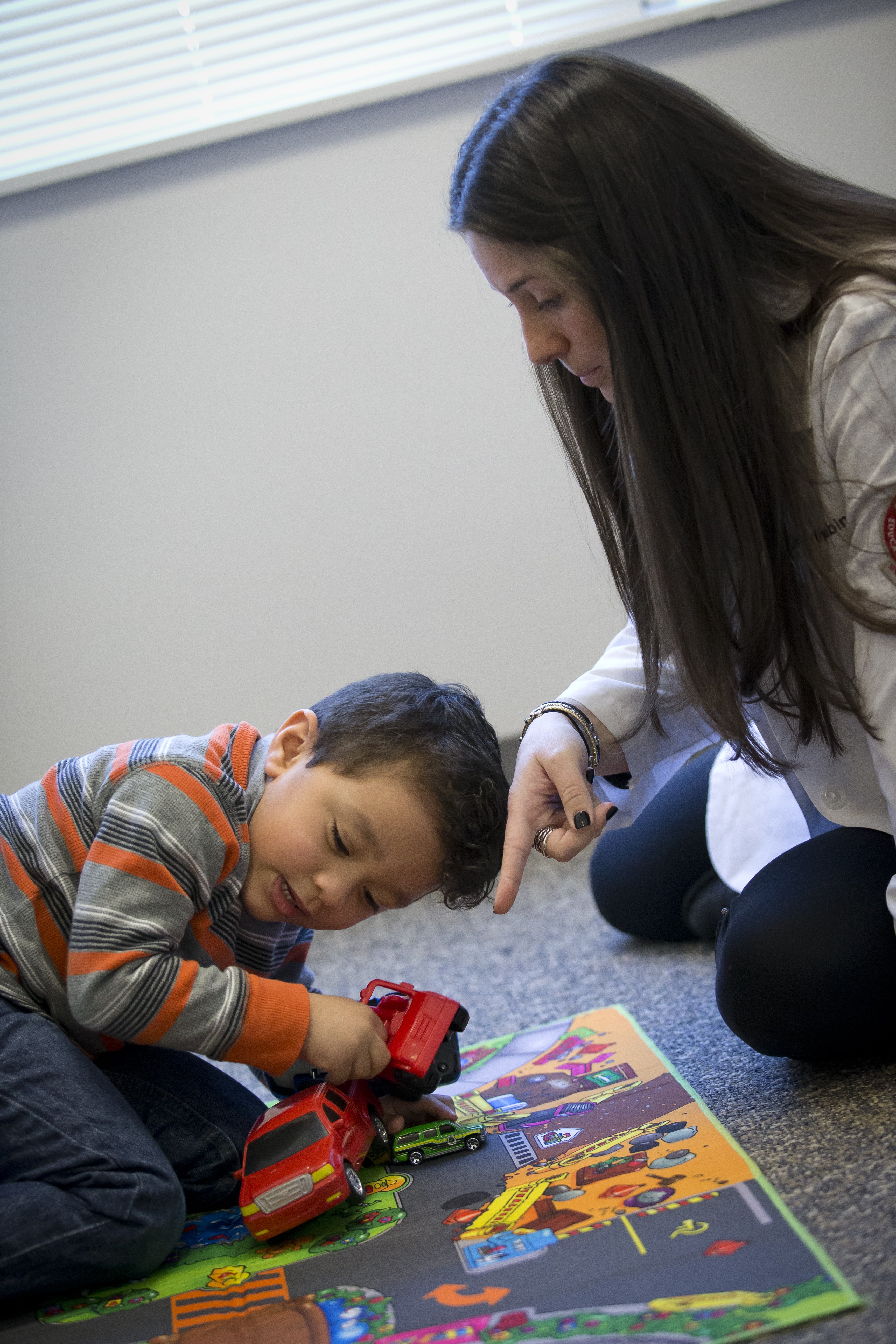 While awareness acknowledges a diagnosis, acceptance demands action, inclusion, and the celebration of all individuals with autism. This distinction moves away from seeing autism as a "puzzle to be solved" and toward it being a natural and valuable variation in someone's overall life experience.
Health care professionals, like those at the Speech-Language Institute (SLI) of Drexel University on the Elkins Park, Pennsylvania campus, play a pivotal role as allies to all communities. Actively listening to their unique stories and voices, clinicians prioritize client-based experiences over clinical observations. They opt to practice acceptance by optimizing all forms of conversational engagement beyond “typical” behaviors, such as maintaining eye contact or sitting still.
"As student clinicians, autism awareness serves as an important part of our experience,” said Francesca Friedman ‘27 SLP, who is in the Master of Science program in Speech-Language Pathology on Drexel’s Elkin Park campus. “When working with clients with autism at SLI, we get to instill and practice social uses of language. Not only do we learn how to best tailor therapy plans to each individual client, but we also get to know them for who they are. The SLI supports the varying needs of clients, contributing toward our passion for spreading autism awareness and acceptance."
For many people with Autism Spectrum Disorder (ASD), stimming or avoiding direct gaze is an essential tool for sensory regulation and focus. Instead of identifying these behaviors as differences, it is important to recognize them as appropriate variations.
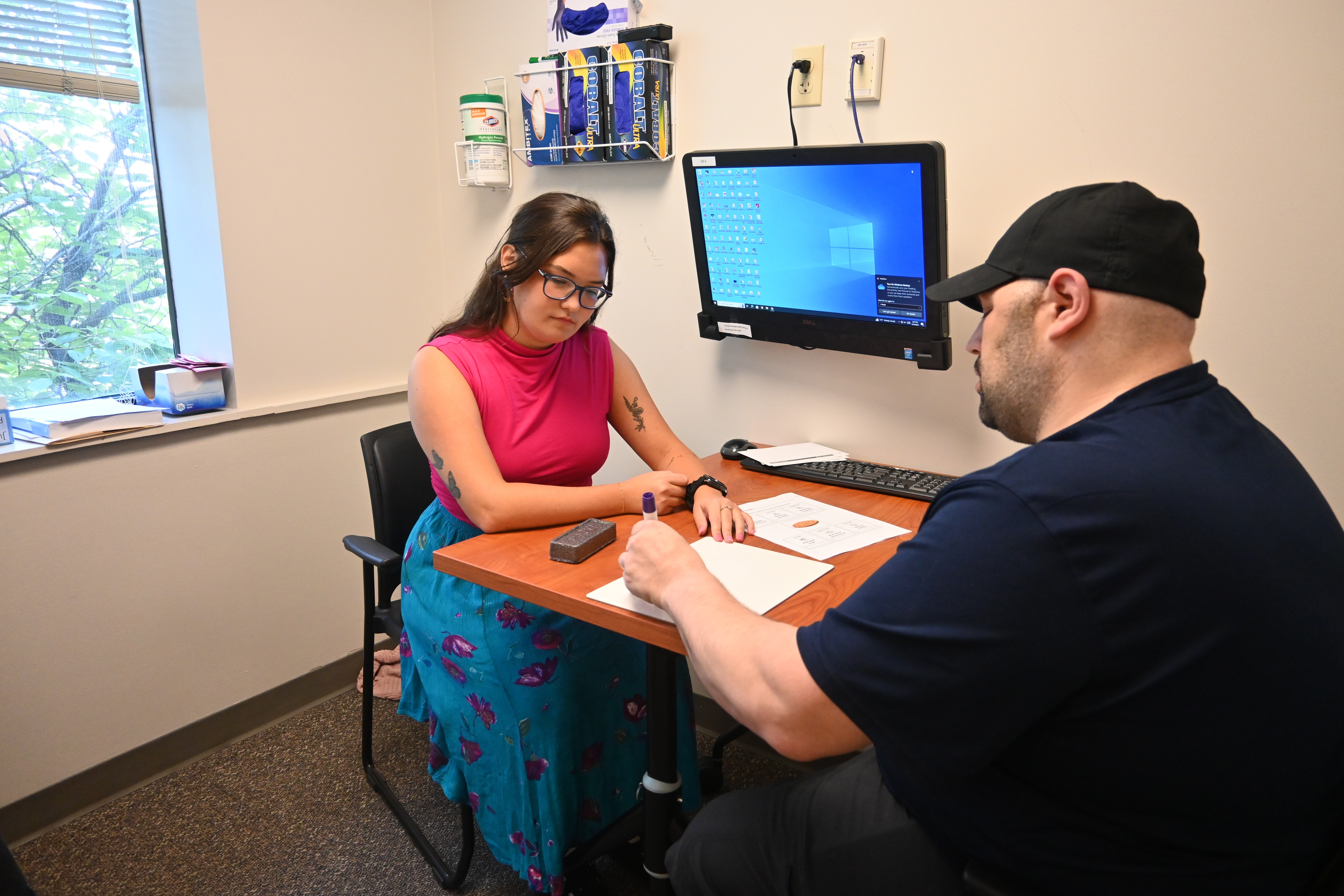 Just as spring reminds us that growth looks different for every living thing, this month encourages us to practice inclusion in our daily lives. This often involves making intentional changes to environments. Whether in the workplace or at social gatherings, it is important to be mindful of sensory needs for accessibility purposes. Simple adjustments, including reducing background noise, offering clear, direct communication, or providing other thoughtful accommodations, can significantly improve comfort and participation for everyone.
Inclusion also depends on the language we use. Labels such as "high" or "low" functioning can unintentionally lower self-esteem or lead individuals to underestimate their abilities. By emphasizing individual strengths and needs, we foster an environment where everyone has the opportunity to thrive.
As April wraps up, the goal for the Speech-Language Institute is to carry this spirit of acceptance forward throughout the whole year. Embracing neurodiversity is not just a “nice thing” to do for the autistic community - it truly makes a positive, meaningful impact for all. When we lean into different ways of thinking, we open ourselves to unique perspectives and more creative problem-solving approaches. Plus, it pushes us all to be a little more compassionate and intentional in how we support and connect with each other.
To schedule an appointment today, call the SLI at 215.780.3150.