Ask the Speech-Language Pathologist: When Should I Be Concerned About Voice Changes?
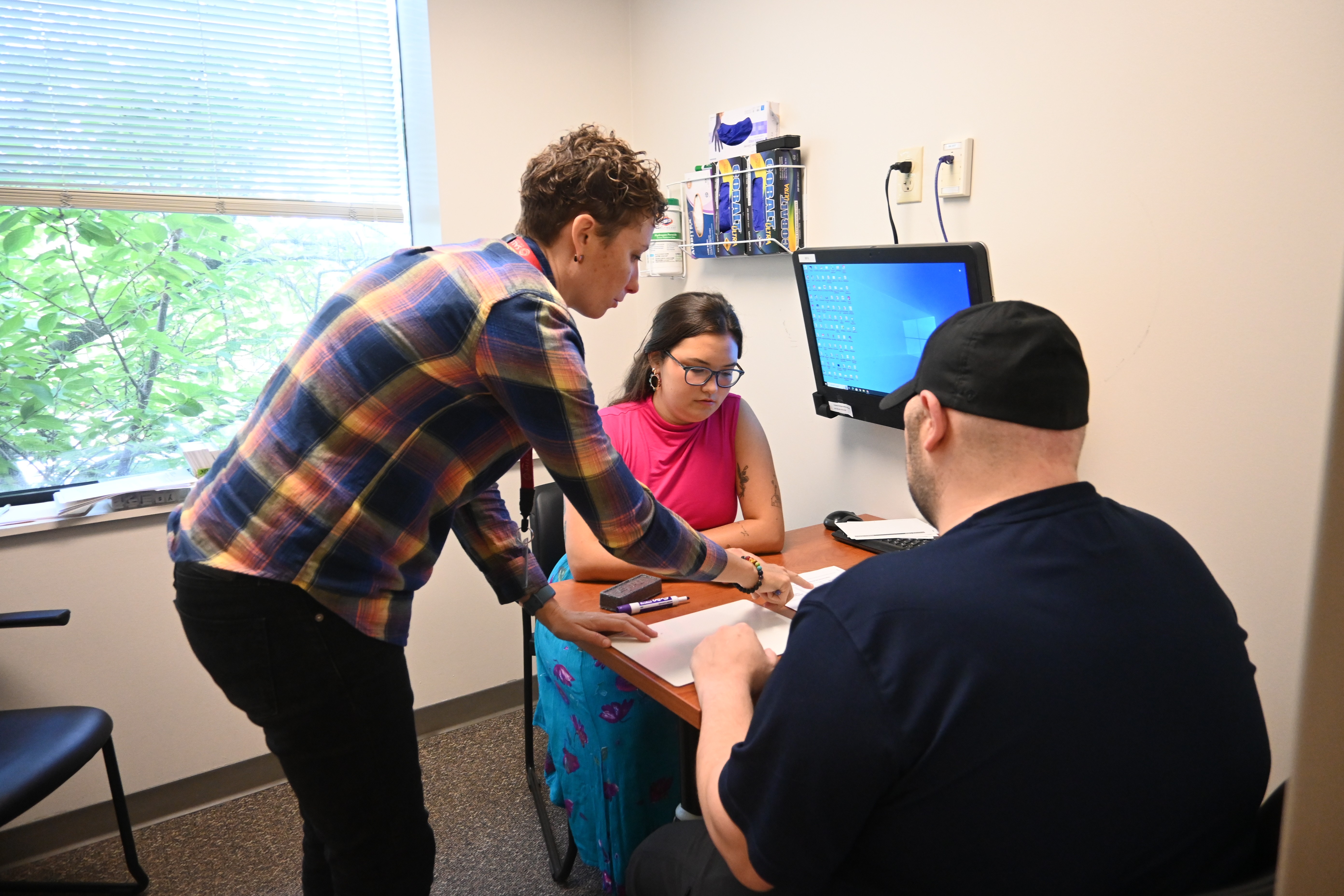
We asked experts at the Speech-Language Institute (SLI) on the Elkins Park campus of Drexel University to answer some of the more common questions they receive from clients.
Here are the answers:
How can I stop my voice from changing over time?
Your voice naturally changes over time because the vocal folds and surrounding muscles age just like the rest of the body. While you can’t completely stop these changes, you can slow them down by taking care of your vocal mechanism.
 Staying well-hydrated, avoiding yelling or speaking over loud noise, and using healthy breath support - diaphragmatic ("belly") breathing to strengthen the diaphragm, reduce strain, and improve oxygen intake - all help reduce strain. Starting to limit things such as smoking or unmanaged acid reflux also protects the vocal folds. People who use their voice heavily, teachers, singers, coaches often benefit from gentle warmups and periodic vocal rest.
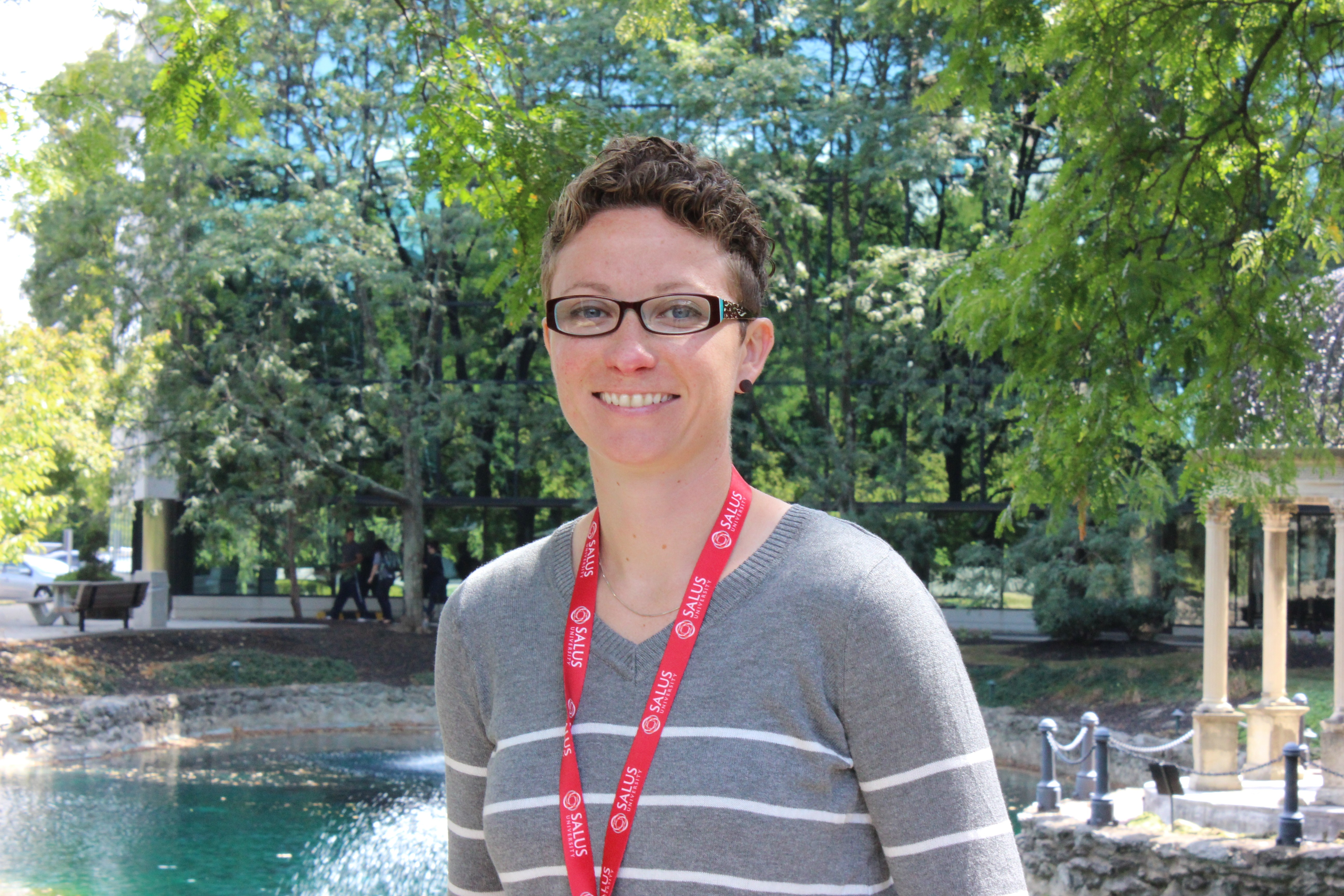
"It's important to think of your voice as you do other body parts - your muscles, brain, and heart all require care and attention,” said Anne Ruckdeschel, MA, CCC-SLP, CBIS, clinical educator at SLI. “The same is true for your voice, especially if you're someone who uses it heavily on a daily basis such as an educator, coach or vocalist. A speech-language pathologist can help identify ways to care for your voice while teaching you techniques for effective and healthy voice-use.”
Contact the Speech-Language Institute (SLI) at 215.780.3150 to schedule an appointment.