Preparing Future SLPs to Deliver Fair, Inclusive Care for Every Patient
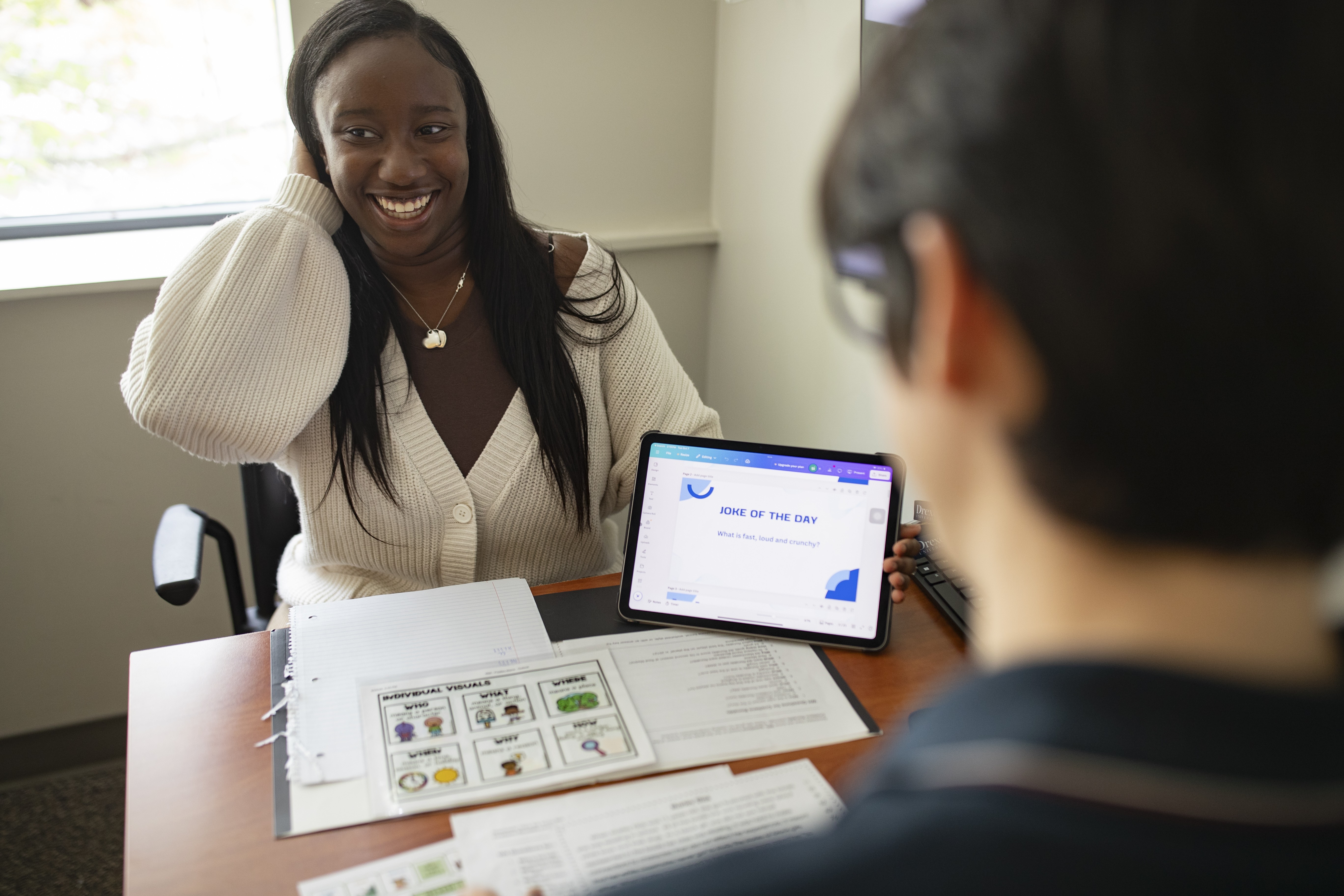
Master of Science in Speech-Language Pathology (SLP) students provide care to the community through the Speech-Language Institute (SLI) of Drexel University, and serve a diverse population varying in age, race, culture, socioeconomic status, religious beliefs and more. Because of this, it is important to demonstrate awareness of bias in order to provide both individual and family-centered care.
Implicit bias, automatic thoughts or stereotypes can be present without awareness. Biases such as these can hurt trust, lead to unfair assessments, and reduce the effectiveness of therapy. For example, a relevant issue students face is determining whether someone learning English may have an underlying language disorder, even in their home language. That’s why the SLP program on Drexel’s Elkins Park campus trains students to recognize and manage their own biases before they begin working with clients in the clinical facility.
 Students take classes that teach them how to recognize their own bias, ask questions and let each client be the expert of their own experience. They learn speech and language differences like non-mainstream dialetcs or second-language learning are not disorders. Students are taught what implicit bias is and how it can show up in their work, as well as how to avoid them in clinical settings.
At SLI, for example, students are taught bilingualism does not inherently cause a language delay or disorder. Bilingualism does not exacerbate an existing delay or disorder. Bilingual children with communication disorders present with language profiles similar to their monolingual counterparts. These concepts support students in thinking critically and looking at the whole person when providing treatment to the community.
During clinical training, students work with clients under expert clinical educators who are Speech-Language Pathologists and provide guidance and supervision. These educators work with students to help them recognize their own bias through observation, discussion and feedback. Through the assessment and evaluation process for each client at SLI, student and supervisors work together to find a better way to respond.
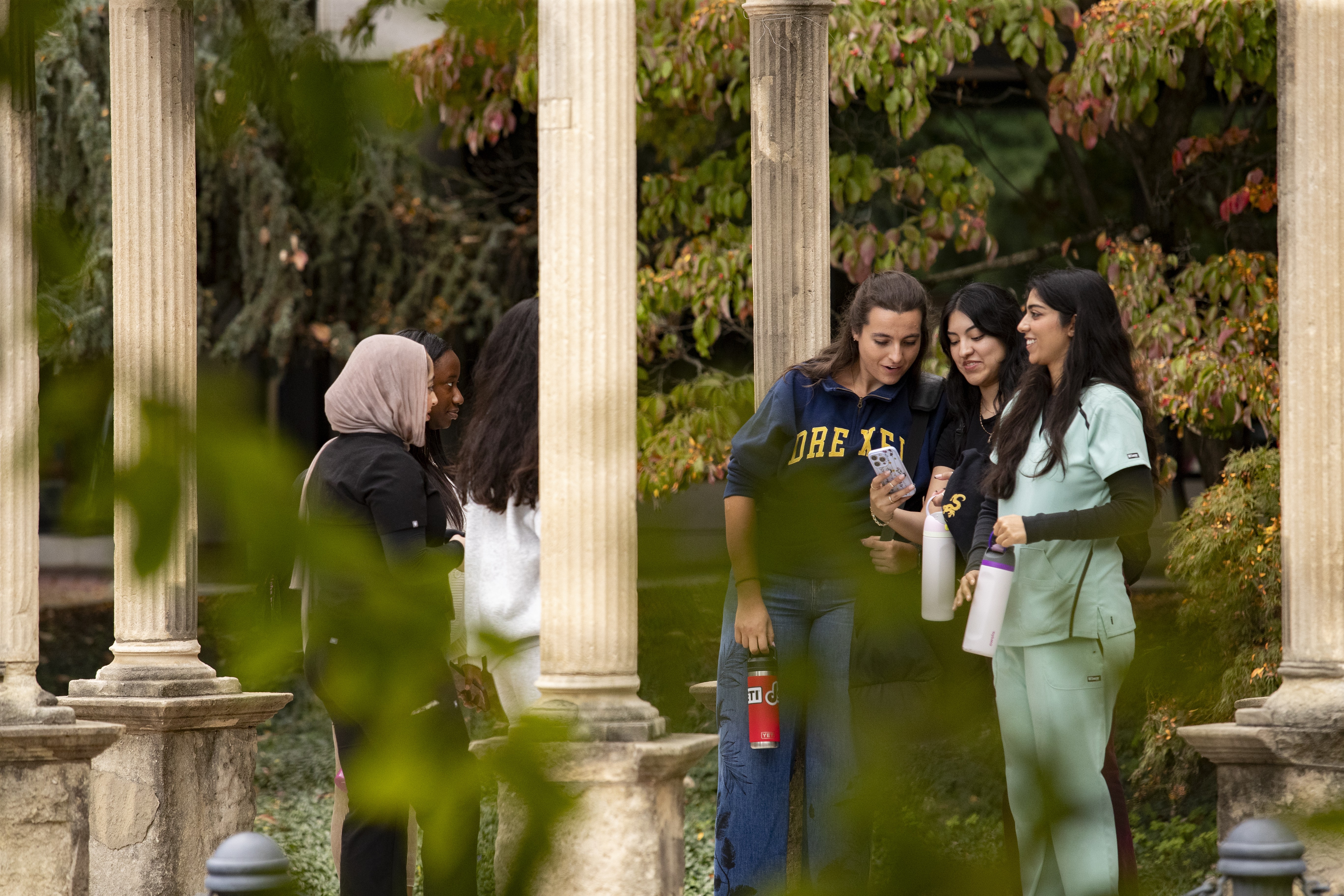 Students read or watch examples of real-life situations where bias might occur, like a therapist misunderstanding a client’s cultural communication style. They then discuss how to handle the situation fairly and respectfully and put that into practice at SLI.
SLP master’s students aren’t just learning how to provide treatment for communication disorders; they’re learning how to listen, understand, and connect with the people they serve in order to build a therapeutic relationship.
This person and family-centered approach, with specific training on implicit bias, provides students with the skills to provide supportive care to every client they serve at SLI during their education and then when they go into practice.
The ultimate goal is for new SLPs to:
- Treat every client with respect.
- Recognize when bias might be influencing their thinking and/or approach to client care.
- Use culturally sensitive tools and approaches.
- Demonstrate commitment to continued learning throughout their careers.
To schedule an appointment today, call SLI at 215.780.3150.